
Panduan lapangan hewan
Blue-crowned Motmot
Identifikasi, habitat, rarity, perilaku, simbolisme, fakta, dan pelajaran praktis dari alam.
Blue-crowned Motmot. A tropical bird with a blue crown and swinging tail signal.

Kartu AnimalDex
Buka kartu hewan ini
Pindai atau tangkap hewan ini dengan AnimalDex untuk membuka kartu koleksi dan menambahkannya ke koleksi satwa liarmu.
Dapatkan AnimalDexNama ilmiah
Momotus coeruliceps
Kategori
Animal
Habitat
Blue-crowned Motmot habitat data is maintained in the live AnimalDex field guide.
Rarity
Rare · 74/100
Native range
Blue-crowned Motmot habitat data is maintained in the live AnimalDex field guide.
Pendulum Signal
Let rhythm speak.
Uses a distinctive racketed tail and measured motion as part of its visual presence.
Apa yang diajarkannya
Calm movement can become a clear message.
Coba
A calm, repeated signal can communicate confidence better than frantic explanation.
Bukti alam
Motmots are known for colorful plumage and racket-shaped tails that may be used in signaling.
Gunakan untuk
Tangkapan Blue-crowned Motmot berperingkat
Belum ada tangkapan komunitas berperingkat untuk spesies ini.
Mengapa Pendulum Signal?
Alasan di balik Prinsip Hewan ini dan biologi yang mendukungnya.
The Blue-crowned Motmot teaches composed communication. Its tail and color create a signal that feels measured rather than rushed.
Cara mengidentifikasi Blue-crowned Motmot
- Recognized in AnimalDex as Blue-crowned Motmot
- Indexed profile #1820
Habitat: Blue-crowned Motmot habitat data is maintained in the live AnimalDex field guide.
Native range: Blue-crowned Motmot habitat data is maintained in the live AnimalDex field guide.
To find Blue-crowned Motmot in the wild, focus on the exact habitat patches that match its body design and daily behavior, not just the broad country where it exists. You usually do better by working one good piece of habitat inside blue-crowned Motmot habitat data is maintained in the live AnimalDex field guide. than by covering too much ground.
- Blue-crowned Motmot habitat data is maintained in the live AnimalDex field guide.
- Protected habitat blocks within blue-crowned Motmot habitat data is maintained in the live AnimalDex field guide.
- Start early, pick one strong patch of habitat, and stay long enough for movement to return after you arrive.
- Look for food, cover, and movement routes in the same place, because the best sightings usually happen where those overlap.
- Slow down and scan shapes, outlines, and eye-level silhouettes; many good sightings come from noticing what does not move.
Blue-crowned Motmot is an omnivore that eats a wide mix of animal and plant food. Its success comes partly from being able to switch food sources quickly.
- Insects and other invertebrates
- Seeds, fruit, nuts, and grain
- Eggs, scraps, or carrion when available
Urban access, season, and local competition all shape what this bird eats on a given day.
- Uses a distinctive racketed tail and measured motion as part of its visual presence.
Blue-crowned Motmot most often symbolizes pendulum signal in AnimalDex because its real survival behavior repeatedly shows this pattern.
Calm movement can become a clear message.
Motmots are known for colorful plumage and racket-shaped tails that may be used in signaling.
- Observe from a respectful distance and avoid changing the animal's behavior.
- Do not block feeding, shelter, nesting, or travel routes.
- Use a live camera capture without handling or staging wildlife.
statsTitle
statsDescription
statsSourceLabel: statsSourceSpeciesProfile
dominanceStat
36
speedStat
58
sizeStat
22
intelligenceStat
64
rarityStat
74%
Total
254
Size scale
Small
Uses the canonical size stat for consistent placement






US$192 – US$398
Perkiraan rentang nilai
Kepercayaan 69%
Perkiraan nilai AnimalDex dibuat dari stat spesies kanonik.
Not a marketplace listing.
Perkiraan nilai berdasarkan hewan yang teridentifikasi dan konteks harga yang tersedia. Bukan daftar marketplace.
Seberapa langka Blue-crowned Motmot?
Rarity: Rare (74/100)
AnimalDex canonical rarity score: 74/100, maintained by the live indexed species profile.
Public Animal Power
Explore this Animal Power
This is a public capture, so you can explore its Animal Power here. Personal Apex matches and challenges use your Wild Profile and animals you own.
Own an animal with this power to use it in Growth challenges.
Hewan terkait
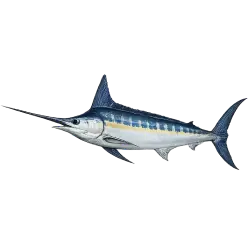
Atlantic Blue Marlin
Atlantic Blue Marlins are large blue-water predators built for speed, long movement,…
Baca panduan spesies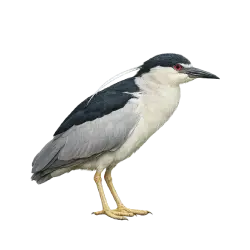
Black-crowned Night Heron
Black-crowned Night Heron is a bird known for stocky night-fishing body, black crown…
Baca panduan spesies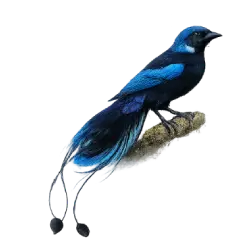
Blue Bird-of-paradise
Blue Bird-of-paradise is the AnimalDex expression of Inverted Radiance: Turn the…
Baca panduan spesiesBawa ensiklopedia ke dunia nyata
AnimalDex membantumu memindai hewan nyata, mengidentifikasi spesies, mengoleksi kartu, dan belajar dari alam di mana pun kamu berada.