
Panduan lapangan hewan
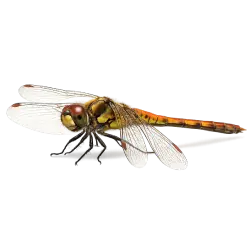
Common Darter
Identifikasi, habitat, rarity, perilaku, simbolisme, fakta, dan pelajaran praktis dari alam.
The Warm-Perch Hunter. The Common Darter leaves a sunlit stem in a sudden chase, then settles back on the same warm perch as if the lookout was never empty. It reminds us that speed is strongest when home base is already chosen.
Nama ilmiah
Sympetrum striolatum
Kategori
Animal
Habitat
Still and slow waters with sunny margins, ponds, ditches, marsh edges, and open perches where Warm Perch Return can reclaim a sunlit stem.
Rarity
Relatively common · 36/100
Native range
Still and slow waters with sunny margins, ponds, ditches, marsh edges, and open perches where Warm Perch Return can reclaim a sunlit stem.
Warm Perch Return
Return to the warm perch.
Dart out, then reclaim the same warm lookout.
Apa yang diajarkannya
Speed matters most when you already know which perch to come back to.
Coba
You leave a productive workstation for a quick errand, then return to the same setup instead of rebuilding from scratch.
Bukti alam
Common Darters repeatedly leave a favored perch to hunt, then return to the same sun-warmed stem or fence rail, conserving heat and keeping a reliable launch point.
Gunakan untuk
Tangkapan Common Darter berperingkat
1 tangkapan berperingkat dalam grup ini dari kolektor AnimalDex.
Miel.brkn
@mielWild · Rosa Homes the Red - Cozy 2 Bedrooms Genoa Historic Center, Aquarium · Ponente, Genoa, Genova, Liguria, Italy
Skor 0
Mengapa Warm Perch Return?
Alasan di balik Prinsip Hewan ini dan biologi yang mendukungnya.
Common Darter teaches Warm Perch Return through a slender Sympetrum body, yellowish thorax side stripes, and the habit of darting from a sun-warmed stem then reclaiming the same lookout. Plain legs and a tapered abdomen help separate it from heavier, more strongly marked darter lookalikes.
Cara mengidentifikasi Common Darter
- Slender Sympetrum dragonfly with a tapered abdomen.
- Yellowish side stripes on the thorax.
- Repeatedly returns to the same sun-warmed perch after hunting flights.
- Legs relatively plain compared with some darker-legged darter relatives.
Kenapa Common Darter menarik
- Common Darter is Sympetrum striolatum, a widespread late-season dragonfly across much of Europe and nearby regions.
- Males often look warmer orange-red; females and immature individuals can appear yellower or browner.
- They frequently bask on stems, fence rails, and open ground, then make short hunting sorties.
- Warm Perch Return is easiest to see when one individual keeps reclaiming the same lookout between flights.
Habitat: Still and slow waters with sunny margins, ponds, ditches, marsh edges, and open perches where Warm Perch Return can reclaim a sunlit stem.
Native range: Still and slow waters with sunny margins, ponds, ditches, marsh edges, and open perches where Warm Perch Return can reclaim a sunlit stem.
To find Common Darter in the wild, focus on the exact habitat patches that match its body design and daily behavior, not just the broad country where it exists. You usually do better by working one good piece of habitat inside still and slow waters with sunny margins, ponds, ditches, marsh edges, and open perches where Warm Perch Return can reclaim a sunlit stem. than by covering too much ground.
- Quiet marsh edges, reedbeds, river bends, or shallow wetland margins
- Sunlit logs, exposed branches, warm rocks, or regular perch sites used for scanning
- Protected habitat blocks within still and slow waters with sunny margins, ponds, ditches, marsh edges, and open perches where Warm Perch Return can reclaim a sunlit stem.
- Early sun and calm weather usually give the best chance of seeing normal basking, perched, or soaring behavior.
- Watch the transition line between open water and cover, because feeding and movement often happen on that edge.
- Move quietly, stop often, and give the habitat time to settle; many mammals and insects show themselves only after the first pause.
Small flying insects taken in short aerial chases from a favored perch, so hunting and heat retention stay linked to the same lookout.
Birds and larger insectivores can take darters in open flight, so quick dashes and a known return perch keep Warm Perch Return useful.
Most active in sun and warmth; cooler hours and overnight are spent settled near vegetation with little movement.
Adult flight is seasonal over weeks to a few months; the full life cycle includes a longer aquatic nymph stage.
Eggs are laid near water and nymphs develop underwater before emergence, so the next generation starts away from the adult perch routine.
Mature males are often redder or more orange; females and younger adults are commonly yellower or browner, with behavior around perches often clearer than subtle structural cues.
- Slender Sympetrum dragonfly with a tapered abdomen.
- Yellowish side stripes on the thorax.
- Repeatedly returns to the same sun-warmed perch after hunting flights.
- Legs relatively plain compared with some darker-legged darter relatives.
Common Darter most often symbolizes warm perch return in AnimalDex because its real survival behavior repeatedly shows this pattern.
Speed matters most when you already know which perch to come back to.
Common Darters repeatedly leave a favored perch to hunt, then return to the same sun-warmed stem or fence rail, conserving heat and keeping a reliable launch point.
- Observe from a respectful distance and avoid changing the animal's behavior.
- Do not block feeding, shelter, nesting, or travel routes.
- Use a live camera capture without handling or staging wildlife.
0/1 XP toward Level 2
statsTitle
statsDescription
statsSourceLabel: statsSourceSpeciesProfile
dominanceStat
28
speedStat
72
sizeStat
8
intelligenceStat
34
rarityStat
36%
Total
178
Size scale
Tiny
Uses the canonical size stat for consistent placement


US$92 – US$192
Perkiraan rentang nilai
Kepercayaan 69%
Perkiraan nilai AnimalDex dibuat dari stat spesies kanonik.
Not a marketplace listing.
Perkiraan nilai berdasarkan hewan yang teridentifikasi dan konteks harga yang tersedia. Bukan daftar marketplace.
Seberapa langka Common Darter?
Rarity: Relatively common (36/100)
AnimalDex canonical rarity score: 36/100, maintained by the live indexed species profile.
Public Animal Power
Explore this Animal Power
This is a public capture, so you can explore its Animal Power here. Personal Apex matches and challenges use your Wild Profile and animals you own.
Own an animal with this power to use it in Growth challenges.
Comparison hearts ready
3 of 3 hearts remaining. Each loss removes 1 heart.
✦ Available actions
Compare this public animal when your deck meets the current rules.
⚡CompareUnavailable›Lebih banyak hewan dengan kekuatan Focus
Jelajahi semua hewan Focus
African Pygmy Kingfisher
Pygmy Kingfisher expresses Flashperch through tiny bright body, watchful perch, sudden…
Baca panduan spesies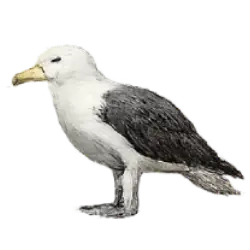
Atlantic Yellow-nosed Albatross
Atlantic Yellow-nosed Albatross is a bird known for long gliding ocean wings, yellow…
Baca panduan spesies
Barred Eagle-Owl
Barred Eagle-Owl teaches Barred Eagle Owl · Canopy Vigilance through its real biology:…
Baca panduan spesiesBawa ensiklopedia ke dunia nyata
AnimalDex membantumu memindai hewan nyata, mengidentifikasi spesies, mengoleksi kartu, dan belajar dari alam di mana pun kamu berada.