
Panduan lapangan hewan
Common fruit-piercing moth
Identifikasi, habitat, rarity, perilaku, simbolisme, fakta, dan pelajaran praktis dari alam.
The Fruit Piercer. Meet Eudocima phalonia, the moth with a sweet tooth and a knack for piercing fruit! This nocturnal flyer is notorious for its ability to puncture the skin of ripe fruits with its specialized proboscis, leaving behind a trail of juice-dripping delights. In some cultures, the moth's fruit-piercing habits have been linked to the cycles of harvest and abundance, marking it as a symbol of nature's bounty. Unlike its nectar-sipping relatives, Eudocima phalonia has adapted to target juicy fruits, making it a unique player in the moth world. Its strategy? Use that sharp proboscis to tap into nature's candy store, ensuring a sugary feast while other moths are left fluttering around flowers.
Nama ilmiah
Eudocima phalonia
Kategori
Invertebrate
Habitat
Common fruit-piercing moth habitat data is maintained in the live AnimalDex field guide.
Rarity
Relatively common · 4/100
Native range
Common fruit-piercing moth habitat data is maintained in the live AnimalDex field guide.
Fruit-Piercing Timing
Wait, pierce, feed.
Use the right tool at the exact ripe moment.
Apa yang diajarkannya
Good timing means waiting for the opening where effort turns into access.
Coba
In human life, this reminds us that not every win comes from moving first.
Bukti alam
Common fruit-piercing moths use a hardened proboscis to pierce ripe fruit and feed on juices that many insects cannot reach directly.
Gunakan untuk
Tangkapan Common fruit-piercing moth berperingkat
1 tangkapan berperingkat dalam grup ini dari kolektor AnimalDex.
alby
@radinkaWild · Cijantung · Kecamatan Pasar Rebo · Daerah Khusus Ibukota Jakarta · Indonesia
Skor 0
Mengapa Fruit-Piercing Timing?
Alasan di balik Prinsip Hewan ini dan biologi yang mendukungnya.
The Fruit Piercer. Meet Eudocima phalonia, the moth with a sweet tooth and a knack for piercing fruit! This nocturnal flyer is notorious for its ability to puncture the skin of ripe fruits with its specialized proboscis, leaving behind a trail of juice-dripping delights. In some cultures, the moth's fruit-piercing habits have been linked to the cycles of harvest and abundance, marking it as a symbol of nature's bounty. Unlike its nectar-sipping relatives, Eudocima phalonia has adapted to target juicy fruits, making it a unique player in the moth world. Its strategy? Use that sharp proboscis to tap into nature's candy store, ensuring a sugary feast while other moths are left fluttering around flowers.
Cara mengidentifikasi Common fruit-piercing moth
- Recognized in AnimalDex as Common fruit-piercing moth
- Indexed profile #1184
Habitat: Common fruit-piercing moth habitat data is maintained in the live AnimalDex field guide.
Native range: Common fruit-piercing moth habitat data is maintained in the live AnimalDex field guide.
To find Common fruit-piercing moth in the wild, focus on the exact habitat patches that match its body design and daily behavior, not just the broad country where it exists. You usually do better by working one good piece of habitat inside common fruit-piercing moth habitat data is maintained in the live AnimalDex field guide. than by covering too much ground.
- Common fruit-piercing moth habitat data is maintained in the live AnimalDex field guide.
- Protected habitat blocks within common fruit-piercing moth habitat data is maintained in the live AnimalDex field guide.
- Go at dusk or after dark, move slowly, and listen before using a light or stepping into cover.
- Look for food, cover, and movement routes in the same place, because the best sightings usually happen where those overlap.
- Move quietly, stop often, and give the habitat time to settle; many mammals and insects show themselves only after the first pause.
Common fruit-piercing moth eats the foods its body design and habitat make easiest to access. Diet can shift across seasons, life stages, and local competition.
- The most accessible prey or plant foods in its habitat
- Energy-rich foods that match its size and behavior
- Seasonal resources available in the local environment
A practical answer for Common fruit-piercing moth always depends on what food is actually available in common fruit-piercing moth habitat data is maintained in the live animaldex field guide..
- Use the right tool at the exact ripe moment.
Common fruit-piercing moth most often symbolizes fruit-piercing timing in AnimalDex because its real survival behavior repeatedly shows this pattern.
Good timing means waiting for the opening where effort turns into access.
Common fruit-piercing moths use a hardened proboscis to pierce ripe fruit and feed on juices that many insects cannot reach directly.
- Observe from a respectful distance and avoid changing the animal's behavior.
- Do not block feeding, shelter, nesting, or travel routes.
- Use a live camera capture without handling or staging wildlife.
0/1 XP toward Level 2
statsTitle
statsDescription
statsSourceLabel: statsSourceSpeciesProfile
dominanceStat
5
speedStat
12
sizeStat
2
intelligenceStat
3
rarityStat
4%
Total
26
Size scale
Microscopic edge
Uses the canonical size stat for consistent placement






US$11 – US$23
Perkiraan rentang nilai
Kepercayaan 69%
Perkiraan nilai AnimalDex dibuat dari stat spesies kanonik.
Not a marketplace listing.
Perkiraan nilai berdasarkan hewan yang teridentifikasi dan konteks harga yang tersedia. Bukan daftar marketplace.
Seberapa langka Common fruit-piercing moth?
Rarity: Relatively common (4/100)
AnimalDex canonical rarity score: 4/100, maintained by the live indexed species profile.
Public Animal Power
Explore this Animal Power
This is a public capture, so you can explore its Animal Power here. Personal Apex matches and challenges use your Wild Profile and animals you own.
Own an animal with this power to use it in Growth challenges.
Comparison hearts ready
3 of 3 hearts remaining. Each loss removes 1 heart.
✦ Available actions
Compare this public animal when your deck meets the current rules.
⚡CompareUnavailable›Hewan terkait

Evergreen Bagworm Moth
Bagworm Moth's power is Case-Worn Patience: portable silk cases covered in leaves,…
Baca panduan spesies
Io Moth
The Io Moth teaches Illusion Defense through a sudden hidden face. Its quiet forewings…
Baca panduan spesies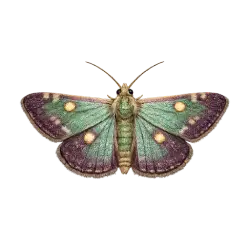
Mint Moth
Mint Moth teaches Detail because its real biology turns tiny jewel moth traits into a…
Baca panduan spesiesLebih banyak hewan dengan kekuatan timing
Jelajahi semua hewan timing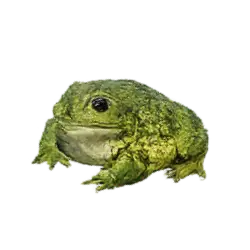
African Bullfrog
African Bullfrog is a amphibian known for huge frog body, powerful bite, and burrowing…
Baca panduan spesies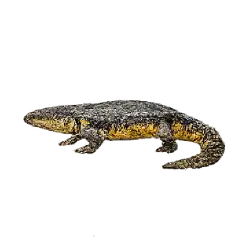
Alpine Newt
Alpine Newt is a amphibian known for orange belly in breeding season, smooth pond-ready…
Baca panduan spesies
American Robin
American Robin teaches Seasonal Signal because its real biology turns lawn-foraging…
Baca panduan spesiesBawa ensiklopedia ke dunia nyata
AnimalDex membantumu memindai hewan nyata, mengidentifikasi spesies, mengoleksi kartu, dan belajar dari alam di mana pun kamu berada.