
Panduan lapangan hewan
Oscar Fish
Identifikasi, habitat, rarity, perilaku, simbolisme, fakta, dan pelajaran praktis dari alam.
The Soft-Dig River Boss. The Oscar Fish digs pits, moves stones, and rearranges cover until a stretch of water feels like its own room. It reminds us that ownership becomes real when the place shows your mark.
Nama ilmiah
Astronotus ocellatus
Kategori
Fish
Habitat
Slow to moderate South American river channels, floodplain lakes, submerged roots, and soft bottoms where Soft Dig Claim can reshape sand and cover.
Rarity
Relatively common · 25/100
Native range
Slow to moderate South American river channels, floodplain lakes, submerged roots, and soft bottoms where Soft Dig Claim can reshape sand and cover.
Soft Dig Claim
Dig your claim.
Shape the place until it fits your work.
Apa yang diajarkannya
Ownership becomes real when you rearrange the space to fit your work.
Coba
A shared space feels unclear, so you rearrange your corner until the boundary is obvious.
Bukti alam
Oscar Fish dig pits, move substrate, and rearrange cover while holding a chosen stretch of water with bold, watchful presence.
Gunakan untuk
Tangkapan Oscar Fish berperingkat
1 tangkapan berperingkat dalam grup ini dari kolektor AnimalDex.
Mengapa Soft Dig Claim?
Alasan di balik Prinsip Hewan ini dan biologi yang mendukungnya.
Oscar Fish teaches Soft Dig Claim through a deep body, large mouth, and the habit of rearranging sand, roots, and stones until a chosen patch of water feels owned. The round ocellus near the tail base and bold watching posture make the claim visible before a fight is needed.
Cara mengidentifikasi Oscar Fish
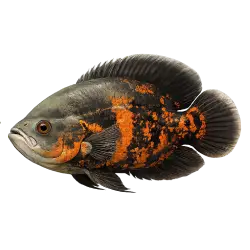
- Deep, thick-bodied South American cichlid with a large mouth.
- Round ocellus (eye-spot) near the caudal peduncle.
- Digs and rearranges substrate while holding territory.
- Bold, watchful presence around a claimed stretch of water.
Kenapa Oscar Fish menarik
- Oscar Fish is Astronotus ocellatus, a large cichlid native to South American river basins.
- The dark round spot near the tail base is an ocellus that can confuse predators.
- Oscars often dig pits and move decor, reshaping the bottom of their territory.
- Aquarium color morphs vary widely, but the species body plan and ocellus remain useful field clues.
Habitat: Slow to moderate South American river channels, floodplain lakes, submerged roots, and soft bottoms where Soft Dig Claim can reshape sand and cover.
Native range: Slow to moderate South American river channels, floodplain lakes, submerged roots, and soft bottoms where Soft Dig Claim can reshape sand and cover.
nativeRangeCardTitle
nativeRangeCardDescription
Slow to moderate South American river channels, floodplain lakes, submerged roots, and soft bottoms where Soft Dig Claim can reshape sand and cover.
To find Oscar Fish in the wild, focus on the exact habitat patches that match its body design and daily behavior, not just the broad country where it exists. You usually do better by working one good piece of habitat inside slow to moderate South American river channels, floodplain lakes, submerged roots, and soft bottoms where Soft Dig Claim can reshape sand and cover. than by covering too much ground.
- Quiet marsh edges, reedbeds, river bends, or shallow wetland margins
- Open grassland edges, lightly wooded plains, or raised ground where you can scan long distances
- Protected habitat blocks within slow to moderate South American river channels, floodplain lakes, submerged roots, and soft bottoms where Soft Dig Claim can reshape sand and cover.
- First light and late afternoon are often best, when animals come out to feed along the edge of water.
- Use binoculars from a track, ridge, or vehicle stop and scan far ahead before you move closer.
- Choose a viewing point with clean light and water visibility, then watch for repeated surfacing, feeding, or current lines.
Insects, crustaceans, small fish, and other animal foods support Soft Dig Claim because hunting and digging both happen around a defended home patch.
Larger fish, birds, and mammals can pressure Oscars, so bold watching and a reshaped shelter zone keep Soft Dig Claim useful.
Most active by day and dusk while patrolling and rearranging the claimed zone; quieter resting periods are spent near cover.
In good conditions Oscars can live more than a decade, repeating the same territory and digging habits across seasons.
Pairs may clear a spawning site and guard eggs and fry near the claimed patch, so the next generation starts inside the same ownership logic.
Sexes are similar in body plan; behavior around nest clearing and territory defense is often clearer than fixed external differences.
- Deep, thick-bodied South American cichlid with a large mouth.
- Round ocellus (eye-spot) near the caudal peduncle.
- Digs and rearranges substrate while holding territory.
- Bold, watchful presence around a claimed stretch of water.
Oscar Fish most often symbolizes soft dig claim in AnimalDex because its real survival behavior repeatedly shows this pattern.
Ownership becomes real when you rearrange the space to fit your work.
Oscar Fish dig pits, move substrate, and rearrange cover while holding a chosen stretch of water with bold, watchful presence.
- Observe from a respectful distance and avoid changing the animal's behavior.
- Do not block feeding, shelter, nesting, or travel routes.
- Use a live camera capture without handling or staging wildlife.
0/1 XP toward Level 2
statsTitle
statsDescription
statsSourceLabel: statsSourceSpeciesProfile
dominanceStat
42
speedStat
38
sizeStat
22
intelligenceStat
48
rarityStat
25%
Total
175
Size scale
Small
Uses the canonical size stat for consistent placement





US$102 – US$212
Perkiraan rentang nilai
Kepercayaan 69%
Perkiraan nilai AnimalDex dibuat dari stat spesies kanonik.
Not a marketplace listing.
Perkiraan nilai berdasarkan hewan yang teridentifikasi dan konteks harga yang tersedia. Bukan daftar marketplace.
Seberapa langka Oscar Fish?
Rarity: Relatively common (25/100)
AnimalDex canonical rarity score: 25/100, maintained by the live indexed species profile.
Public Animal Power
Explore this Animal Power
This is a public capture, so you can explore its Animal Power here. Personal Apex matches and challenges use your Wild Profile and animals you own.
Own an animal with this power to use it in Growth challenges.
Comparison hearts ready
3 of 3 hearts remaining. Each loss removes 1 heart.
✦ Available actions
Compare this public animal when your deck meets the current rules.
⚡CompareUnavailable›Hewan terkait
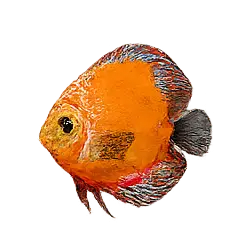
Discus Fish
Discus Fish is a fish known for round disc-shaped body, neon banded patterning, and…
Baca panduan spesies
Elephantnose Fish
The Elephantnose Fish teaches refined perception. In cloudy water, it finds its way…
Baca panduan spesies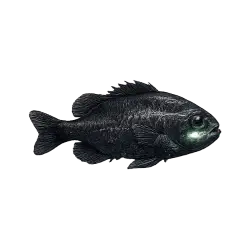
Flashlight Fish
Flashlight Fish's power is Blinking Dark: light organs with bacteria that can be…
Baca panduan spesiesBawa ensiklopedia ke dunia nyata
AnimalDex membantumu memindai hewan nyata, mengidentifikasi spesies, mengoleksi kartu, dan belajar dari alam di mana pun kamu berada.