
Panduan lapangan hewan
Red-bearded Bee-eater
Identifikasi, habitat, rarity, perilaku, simbolisme, fakta, dan pelajaran praktis dari alam.
Red-bearded Bee-eater. A vivid aerial hunter that waits for the perfect line.

Kartu AnimalDex
Buka kartu hewan ini
Pindai atau tangkap hewan ini dengan AnimalDex untuk membuka kartu koleksi dan menambahkannya ke koleksi satwa liarmu.
Dapatkan AnimalDexNama ilmiah
Nyctyornis amictus
Kategori
Invertebrate
Habitat
Red-bearded Bee-eater habitat data is maintained in the live AnimalDex field guide.
Rarity
Rare · 72/100
Native range
Red-bearded Bee-eater habitat data is maintained in the live AnimalDex field guide.
Patient Intercept
Wait. Read. Intercept.
Watches from a perch, then intercepts flying prey with sudden accuracy.
Apa yang diajarkannya
Timing matters more than constant motion.
Coba
Don't chase every opportunity; watch patterns, then act when the opening is real.
Bukti alam
Bee-eaters often hunt by perching, watching for insects, and launching precise aerial captures.
Gunakan untuk
Tangkapan Red-bearded Bee-eater berperingkat
Belum ada tangkapan komunitas berperingkat untuk spesies ini.
Mengapa Patient Intercept?
Alasan di balik Prinsip Hewan ini dan biologi yang mendukungnya.
The Red-bearded Bee-eater teaches alert patience. It conserves energy until the moment is right, then moves with precision.
Cara mengidentifikasi Red-bearded Bee-eater
- Recognized in AnimalDex as Red-bearded Bee-eater
- Indexed profile #1252
Habitat: Red-bearded Bee-eater habitat data is maintained in the live AnimalDex field guide.
Native range: Red-bearded Bee-eater habitat data is maintained in the live AnimalDex field guide.
To find Red-bearded Bee-eater in the wild, focus on the exact habitat patches that match its body design and daily behavior, not just the broad country where it exists. You usually do better by working one good piece of habitat inside red-bearded Bee-eater habitat data is maintained in the live AnimalDex field guide. than by covering too much ground.
- Red-bearded Bee-eater habitat data is maintained in the live AnimalDex field guide.
- Protected habitat blocks within red-bearded Bee-eater habitat data is maintained in the live AnimalDex field guide.
- Start early, pick one strong patch of habitat, and stay long enough for movement to return after you arrive.
- Look for food, cover, and movement routes in the same place, because the best sightings usually happen where those overlap.
- Move quietly, stop often, and give the habitat time to settle; many mammals and insects show themselves only after the first pause.
Red-bearded Bee-eater eats the foods its body design and habitat make easiest to access. Diet can shift across seasons, life stages, and local competition.
- The most accessible prey or plant foods in its habitat
- Energy-rich foods that match its size and behavior
- Seasonal resources available in the local environment
A practical answer for Red-bearded Bee-eater always depends on what food is actually available in red-bearded bee-eater habitat data is maintained in the live animaldex field guide..
- Watches from a perch, then intercepts flying prey with sudden accuracy.
Red-bearded Bee-eater most often symbolizes patient intercept in AnimalDex because its real survival behavior repeatedly shows this pattern.
Timing matters more than constant motion.
Bee-eaters often hunt by perching, watching for insects, and launching precise aerial captures.
- Observe from a respectful distance and avoid changing the animal's behavior.
- Do not block feeding, shelter, nesting, or travel routes.
- Use a live camera capture without handling or staging wildlife.
statsTitle
statsDescription
statsSourceLabel: statsSourceSpeciesProfile
dominanceStat
40
speedStat
58
sizeStat
14
intelligenceStat
50
rarityStat
72%
Total
234
Size scale
Small
Uses the canonical size stat for consistent placement




US$167 – US$347
Perkiraan rentang nilai
Kepercayaan 69%
Perkiraan nilai AnimalDex dibuat dari stat spesies kanonik.
Not a marketplace listing.
Perkiraan nilai berdasarkan hewan yang teridentifikasi dan konteks harga yang tersedia. Bukan daftar marketplace.
Seberapa langka Red-bearded Bee-eater?
Rarity: Rare (72/100)
AnimalDex canonical rarity score: 72/100, maintained by the live indexed species profile.
Public Animal Power
Explore this Animal Power
This is a public capture, so you can explore its Animal Power here. Personal Apex matches and challenges use your Wild Profile and animals you own.
Own an animal with this power to use it in Growth challenges.
Hewan terkait

European Bee-eater
Bee-eater's power is Aerial Snatch: colorful aerial hunting, stinger handling, and…
Baca panduan spesies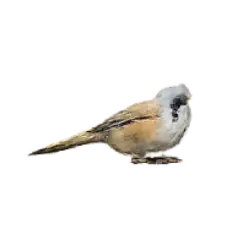
Bearded Reedling
Bearded Reedling is a bird known for mustache-like black facial streaks, long balancing…
Baca panduan spesies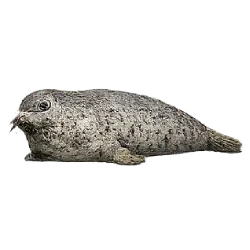
Bearded Seal
Bearded Seal is a mammal known for long whiskers for seafloor sensing, heavy…
Baca panduan spesiesLebih banyak hewan dengan kekuatan Timing
Jelajahi semua hewan Timing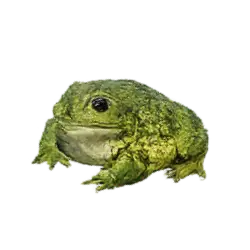
African Bullfrog
African Bullfrog is a amphibian known for huge frog body, powerful bite, and burrowing…
Baca panduan spesies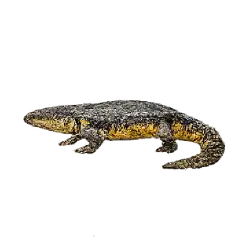
Alpine Newt
Alpine Newt is a amphibian known for orange belly in breeding season, smooth pond-ready…
Baca panduan spesies
American Robin
American Robin teaches Seasonal Signal because its real biology turns lawn-foraging…
Baca panduan spesiesBawa ensiklopedia ke dunia nyata
AnimalDex membantumu memindai hewan nyata, mengidentifikasi spesies, mengoleksi kartu, dan belajar dari alam di mana pun kamu berada.