AnimalDex
en
Open menu
Back to Principles

Behavioral Principles

Efficiency

Preserve energy for decisive moves.

158 species

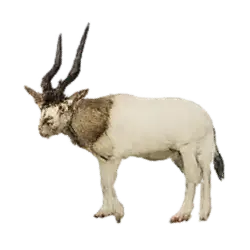
Addax (Addax nasomaculatus) thumbnail image on AnimalDex

Addax

Preserve energy for decisive moves.

The harsher the environment, the more valuable efficiency becomes.

pale desert coat, wide spreading hooves, and slow-energy dryland survival give the Addax a body plan tuned for its niche. Addaxs operate through deep desert, arid dune system, and sparse Sahel fringe Their design links movement, shelter, and feeding into one workable survival system.
Open animal page
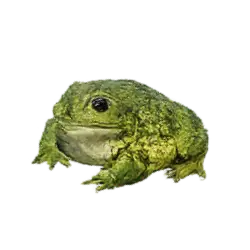
African Bullfrog (Pyxicephalus adspersus) thumbnail image on AnimalDex

African Bullfrog

Preserve energy for decisive moves.

Some systems are built not for steady flow, but for sudden opportunity.

huge frog body, powerful bite, and burrowing dry-season survival give the African Bullfrog a body plan tuned for its niche. African Bullfrogs operate through savannah, seasonal pool, grassland, and dry country breeding basin Their design links movement, shelter, and feeding into one workable survival system.
Open animal page
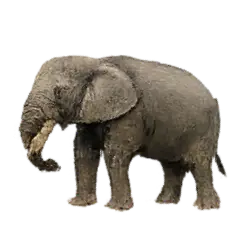
African Forest Elephant (Loxodonta cyclotis) thumbnail image on AnimalDex

African Forest Elephant

Preserve energy for decisive moves.

Big strength becomes even more useful when it clears the way for others too.

rounded ears for tight forest travel, gentle path-making strength, and deep rumbling family calls give the African Forest Elephant a body plan tuned for its niche. African Forest Elephants operate through dense rainforest, swamp forest, and forest clearings Their design links movement, shelter, feeding, and survival into one workable system.

Open animal page
Alpine Ibex (Capra ibex) thumbnail image on AnimalDex

Alpine Ibex

Preserve energy for decisive moves.

A system becomes fearless when its structure matches the terrain exactly.

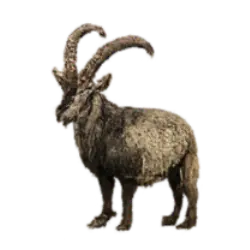
massive curved horns, rock-face climbing power, and cold mountain endurance give the Alpine Ibex a body plan tuned for its niche. Alpine Ibexs operate through high alpine cliff, meadow, and rugged mountain slope Their design links movement, shelter, and feeding into one workable survival system.
Open animal page
American Alligator (Alligator mississippiensis) thumbnail image on AnimalDex

American Alligator

Preserve energy for decisive moves.

Real power shows up when control and habitat-building happen in the same system.

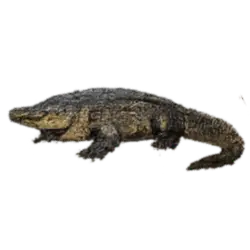
Broad-snouted ambush design, armored body, and wetland excavation behavior make alligators control hardware for warm freshwater systems. Alligators regulate shoreline prey and create physical wetland features other species later use. They do not just occupy swamps; they help structure them.

Open animal page
Andean Condor (Vultur gryphus) thumbnail image on AnimalDex

Andean Condor

Preserve energy for decisive moves.

Massive range becomes efficient when the environment provides the lift.

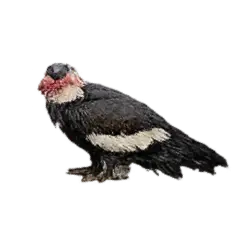
enormous mountain wingspan, high-altitude soaring, and carrion-cleaning role give the Andean Condor a body plan tuned for its niche. Andean Condors operate through andean cliff, high plateau, and open mountain country Their design links movement, shelter, and feeding into one workable survival system.
Open animal page
Arapaima (Arapaima gigas) thumbnail image on AnimalDex

Arapaima

Preserve energy for decisive moves.

A system can keep growing in difficult water if it solves one major limit directly.

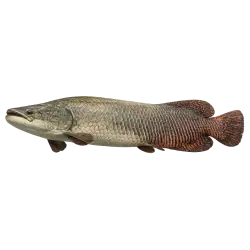
huge freshwater body, air-gulping surface breathing, and armor-like scales give the Arapaima a body plan tuned for its niche. Arapaimas operate through slow Amazonian river, oxbow lake, and flooded forest Their design links movement, shelter, and feeding into one workable survival system.
Open animal page
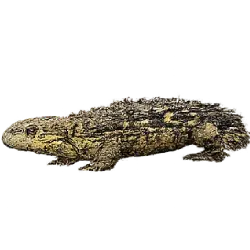
Armadillo Girdled Lizard (Ouroborus cataphractus) thumbnail image on AnimalDex

Armadillo Girdled Lizard

Preserve energy for decisive moves.

The smartest defense can come from making the whole system close in on itself.

armor-like spiny scales, tail-grabbing defensive curl, and rock-crevice desert life give the Armadillo Girdled Lizard a body plan tuned for its niche. Armadillo Girdled Lizards operate through rocky desert scrub and arid outcrop habitat Their design links movement, shelter, feeding, and survival into one workable system.

Open animal page
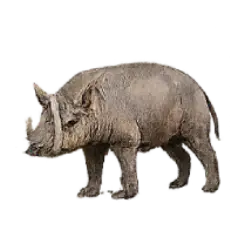
Babirusa (Babyrousa celebensis) thumbnail image on AnimalDex

Babirusa

Preserve energy for decisive moves.

Do not judge system importance by visibility. Rare movers can still carry disproportionate structural value.

Long legs, strong snout, and agile forest movement make babirusas specialized for wet tropical foraging rather than classic pig-style plowing alone. Babirusas recycle fallen forest material and disturb soil lightly while moving through island ecosystems already short on redundancy. Their rarity makes them biologically strategic even when they stay unseen.

Open animal page
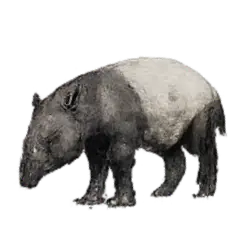
Baird's Tapir (Tapirus bairdii) thumbnail image on AnimalDex

Baird's Tapir

Preserve energy for decisive moves.

Some of the best garden work happens by accident while simply living.

short trunk-like nose, forest seed-spreading habit, and strong swimming ability give the Baird's Tapir a body plan tuned for its niche. Baird's Tapirs operate through tropical rainforest, wetland edge, and river forest Their design links movement, shelter, feeding, and survival into one workable system.

Open animal page
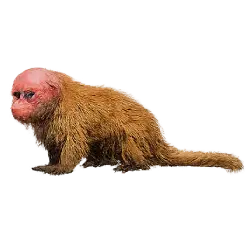
Bald Uakari (Cacajao calvus) thumbnail image on AnimalDex

Bald Uakari

Preserve energy for decisive moves.

Strange-looking features often make sense inside a very specific world.

bright red bare face, short tail, and flooded-forest troop life give the Bald Uakari a body plan tuned for its niche. Bald Uakaris operate through flooded Amazon forest and river-edge canopy Their design links movement, shelter, feeding, and survival into one workable system.

Open animal page
Barreleye (Macropinna microstoma) thumbnail image on AnimalDex

Barreleye

Preserve energy for decisive moves.

Different environments reward very different kinds of seeing.

transparent head shield, upward-pointing tubular eyes, and midwater deep-sea hovering give the Barreleye a body plan tuned for its niche. Barreleyes operate through deep midwater ocean Their design links movement, shelter, feeding, and survival into one workable system.

Open animal page
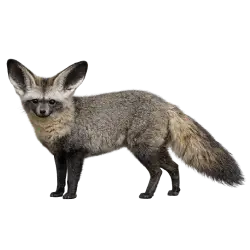
Bat-eared Fox (Otocyon megalotis) thumbnail image on AnimalDex

Bat-eared Fox

Preserve energy for decisive moves.

Sometimes the best hunting tool is not bigger teeth but better hearing.

oversized listening ears, small quick fox body, and insect-heavy diet give the Bat-eared Fox a body plan tuned for its niche. Bat-eared Foxs operate through short-grass savannah and open dry country Their design links movement, shelter, feeding, and survival into one workable system.

Open animal page
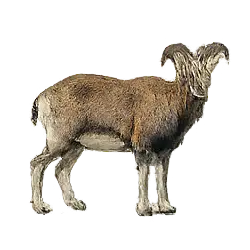
Bharal (Pseudois nayaur) thumbnail image on AnimalDex

Bharal

Preserve energy for decisive moves.

In rough terrain, staying upright is a superpower.

blue-gray mountain coat, cliff-climbing agility, and mixed sheep-goat body plan give the Bharal a body plan tuned for its niche. Bharals operate through high rocky slope, alpine meadow, and Himalayan cliff country Their design links movement, shelter, feeding, and survival into one workable system.

Open animal page
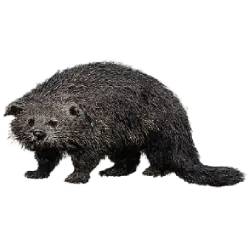
Binturong (Arctictis binturong) thumbnail image on AnimalDex

Binturong

Preserve energy for decisive moves.

Systems often depend on carriers more than stars. Move the valuable material and the structure keeps rebuilding itself.

Prehensile tail support, strong climbing limbs, and fruit-oriented digestive strategy make binturongs effective arboreal transport hardware for tropical forests. Binturongs help move seeds through forest canopies and edges where fruit availability shapes wildlife traffic. They are not flashy apex actors; they are logistics embedded in fur.

Open animal page
Black Skimmer (Rynchops niger) thumbnail image on AnimalDex

Black Skimmer

Preserve energy for decisive moves.

A body part used in motion can do jobs a still body never could.

long lower bill blade, low surface-skimming flight, and sandbar colony nesting give the Black Skimmer a body plan tuned for its niche. Black Skimmers operate through coastline, estuary, river sandbar, and lagoon edge Their design links movement, shelter, feeding, and survival into one workable system.

Open animal page
Black Swan (Cygnus atratus) thumbnail image on AnimalDex

Black Swan

Preserve energy for decisive moves.

Contrast can make a simple movement unforgettable.

black body with red bill, long curved neck, and calm wetland gliding give the Black Swan a body plan tuned for its niche. Black Swans operate through lake, lagoon, marsh, and broad river wetland Their design links movement, shelter, and feeding into one workable survival system.
Open animal page
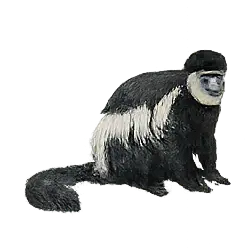
Black-and-white Colobus (Colobus guereza) thumbnail image on AnimalDex

Black-and-white Colobus

Preserve energy for decisive moves.

Grace becomes efficient when balance and diet both fit the same layer of habitat.

dramatic black-and-white coat, high canopy leaf feeding, and tail used for balance in leaps give the Black-and-white Colobus a body plan tuned for its niche. Black-and-white Colobuss operate through montane forest, river forest, and tropical woodland Their design links movement, shelter, and feeding into one workable survival system.
Open animal page
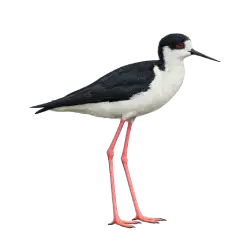
Black-necked Stilt (Himantopus mexicanus) thumbnail image on AnimalDex

Black-necked Stilt

Preserve energy for decisive moves.

A small change in body geometry can open a whole new feeding zone.

extremely long pink legs, needle-thin bill, and shallow-water wading give the Black-necked Stilt a body plan tuned for its niche. Black-necked Stilts operate through marsh, salt flat, lagoon edge, and shallow wetland Their design links movement, shelter, and feeding into one workable survival system.
Open animal page
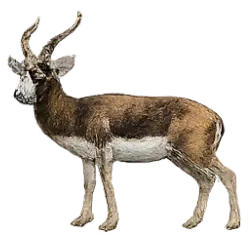
Blackbuck (Antilope cervicapra) thumbnail image on AnimalDex

Blackbuck

Preserve energy for decisive moves.

A light system can survive by turning speed into space.

spiraled horns on males, fast bounding movement, and lightweight grassland body give the Blackbuck a body plan tuned for its niche. Blackbucks operate through open grassland, dry plain, and lightly wooded savannah Their design links movement, shelter, and feeding into one workable survival system.
Open animal page
Blobfish (Psychrolutes marcidus) thumbnail image on AnimalDex

Blobfish

Preserve energy for decisive moves.

A system can seem broken only when it is removed from the environment it was built for.

gelatinous deep-sea body, low-pressure specialization, and minimal-energy seabed life give the Blobfish a body plan tuned for its niche. Blobfishs operate through deep ocean slope and cold marine bottom habitat Their design links movement, shelter, and feeding into one workable survival system.
Open animal page
Boat-billed Heron (Cochlearius cochlearius) thumbnail image on AnimalDex

Boat-billed Heron

Preserve energy for decisive moves.

Odd-looking tools often solve very specific problems beautifully.

wide scoop-like bill, night fishing habit, and mangrove-and-riverbank perching give the Boat-billed Heron a body plan tuned for its niche. Boat-billed Herons operate through mangrove, swamp forest, river edge, and marsh Their design links movement, shelter, feeding, and survival into one workable system.

Open animal page
Bonobo (Pan paniscus) thumbnail image on AnimalDex

Bonobo

Preserve energy for decisive moves.

A group can stay powerful by solving tension before it becomes damage.

slender ape body, high social intelligence, and peace-making group behavior give the Bonobo a body plan tuned for its niche. Bonobos operate through lowland rainforest and swamp forest Their design links movement, shelter, feeding, and survival into one workable system.

Open animal page
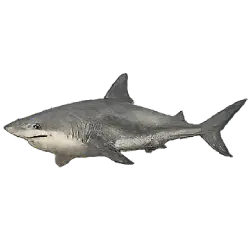
Bull Shark (Carcharhinus leucas) thumbnail image on AnimalDex

Bull Shark

Preserve energy for decisive moves.

A system that crosses boundaries can unlock territory others cannot use.

thick heavy body, salt-and-freshwater tolerance, and close-range power give the Bull Shark a body plan tuned for its niche. Bull Sharks operate through coast, estuary, river mouth, and lower river systems Their design links movement, shelter, feeding, and survival into one workable system.

Open animal page

Explore related indexes