AnimalDex
en
Open menu
Back to Principles

Behavioral Principles

Memory

Echo with mind.

Animals grouped here share a similar survival strategy in nature. Each species still has its own lesson, meaning, and field-guide page.

81 species

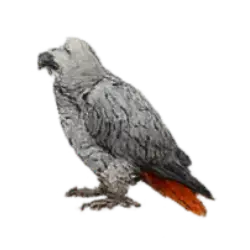
African Grey Parrot (Psittacus erithacus) thumbnail image on AnimalDex

African Grey Parrot

Species principle: Mimic Intelligence

Echo with mind.

A mind grows by listening so closely that the world enters its voice.

African Grey Parrots are highly intelligent birds known for vocal mimicry, social learning, problem-solving, and strong cognitive abilities.
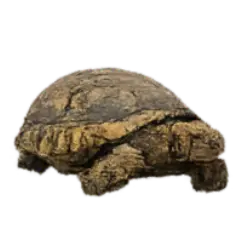
Aldabra Giant Tortoise (Aldabrachelys gigantea) thumbnail image on AnimalDex

Aldabra Giant Tortoise

Species principle: Giant-Tortoise Longevity

Take the long step.

A long life is built by slow steps repeated under the same sun.

Aldabra Giant Tortoises are long-lived island reptiles with massive shells and slow grazing habits that shape vegetation through browsing and movement.

Alpine Newt (Ichthyosaura alpestris) thumbnail image on AnimalDex

Alpine Newt

Species principle: Seasonal Glow

Glow in season.

There is a season to shine and a season to disappear into the leaves.

Alpine Newts move between aquatic breeding ponds and terrestrial habitats, with bright orange bellies and breeding colors becoming especially visible during the pond season.

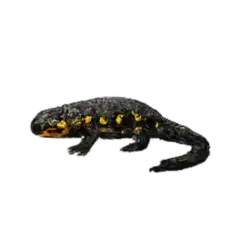
Alpine Salamander (Salamandra atra) thumbnail image on AnimalDex

Alpine Salamander

Species principle: Cool Fit

Keep to the mist.

Some lives are built for quiet weather and hidden patience.

Alpine Salamanders live in cool moist mountain habitats and are notable among salamanders for giving birth to fully developed young rather than laying eggs in water.

American Dipper (Cinclus mexicanus) thumbnail image on AnimalDex

American Dipper

Species principle: Unexpected Depth

Walk the river.

The body built for the current can do what no one expects of a songbird.

American Dippers forage in fast mountain streams by diving and walking underwater, using strong legs, dense plumage, and adaptations for cold rushing water.

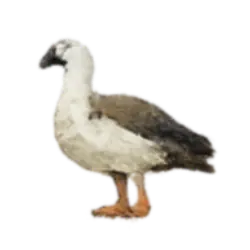
Andean Goose (Chloephaga melanoptera) thumbnail image on AnimalDex

Andean Goose

Species principle: Altitude Fit

Graze the thin air.

A hard place becomes home when the body accepts its altitude.

Andean Geese live in high-elevation wetlands and grasslands of the Andes, grazing in cold thin-air environments with strong bodies and pair bonds.

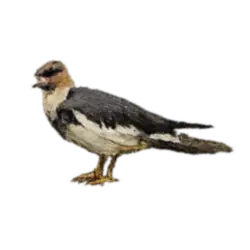
Andean Lapwing (Vanellus resplendens) thumbnail image on AnimalDex

Andean Lapwing

Species principle: Highland Agility

Ride the high meadow.

Movement lightens when the body knows the mountain wind.

Andean Lapwings inhabit high-altitude wetlands and grasslands, using broad wings, alert calls, and agile flight in open Andean landscapes.

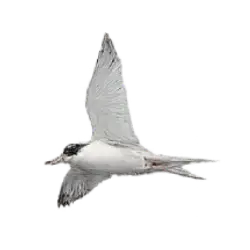
Arctic Tern (Sterna paradisaea) thumbnail image on AnimalDex

Arctic Tern

Species principle: Great Passage

Follow the light.

A small body can belong to the whole world when it follows the light.

Arctic Terns make one of the longest migrations of any animal, traveling between Arctic breeding grounds and Antarctic waters each year.

Barbary Macaque (Macaca sylvanus) thumbnail image on AnimalDex

Barbary Macaque

Species principle: Communal Warmth

Share the warmth.

Cold is easier when warmth has more than one body.

Barbary Macaques live in social groups in mountain forests and rocky habitats, using thick fur, grooming, and group closeness to manage cold conditions and social bonds.

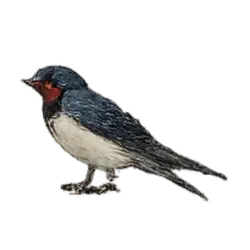
Barn Swallow (Hirundo rustica) thumbnail image on AnimalDex

Barn Swallow

Species principle: Continuity

Stay in flight.

When motion stays unbroken, work becomes flight.

Barn Swallows catch flying insects on the wing, using streamlined bodies, long pointed wings, forked tails, and agile flight to feed while moving through open air.

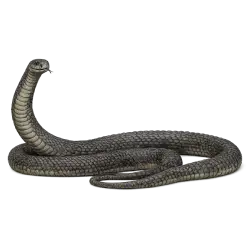
Black Mamba (Dendroaspis polylepis) thumbnail image on AnimalDex

Black Mamba

Species principle: Immediate Boundary

Warn without delay.

A clear line works best before danger is allowed to settle.

Black Mambas are fast elapids that use threat displays, including raising the body and showing the dark mouth interior, before striking defensively if pressed.

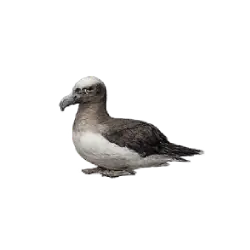
Black-footed Albatross (Phoebastria nigripes) thumbnail image on AnimalDex

Black-footed Albatross

Species principle: Wind Endurance

Let the ocean carry.

Distance belongs to the one who lets the wind do part of the work.

Black-footed Albatrosses use long narrow wings and dynamic soaring over ocean winds to travel great distances with low energy cost.

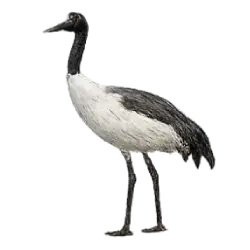
Black-necked Crane (Grus nigricollis) thumbnail image on AnimalDex

Black-necked Crane

Species principle: Cold Grace

Dance in thin air.

Grace becomes stronger when it survives thin air and cold water.

Black-necked Cranes breed and forage in high-altitude wetlands and are known for pair dances, calls, and long-legged movement across cold open habitats.

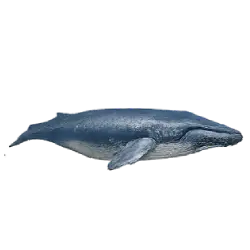
Blue Whale (Balaenoptera musculus) thumbnail image on AnimalDex

Blue Whale

Species principle: Magnitude

Gather the small.

Greatness can be built from countless small things gathered in rhythm.

Blue Whales are the largest animals on Earth. They filter-feed on tiny krill using baleen plates and communicate with low-frequency sounds that travel through the ocean.

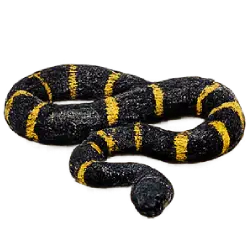
Boelen's Python (Simalia boeleni) thumbnail image on AnimalDex

Boelen's Python

Species principle: Black Sheen

Coil in black.

Mystery becomes power when it waits in a body dark enough to hold the forest.

Boelen’s Pythons are rare dark pythons from New Guinea highlands, using constriction and ambush predation in montane forest environments.

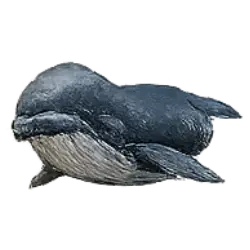
Bowhead Whale (Balaena mysticetus) thumbnail image on AnimalDex

Bowhead Whale

Species principle: Deep Strength

Break ice slowly.

Some strength moves slowly because it is built to outlast the ice.

Bowhead Whales have massive bow-shaped skulls that can break sea ice, thick blubber for Arctic survival, long lifespans, and complex songs.

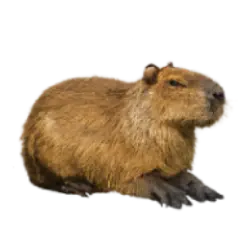
Capybara (Hydrochoerus hydrochaeris) thumbnail image on AnimalDex

Capybara

Species principle: Social Calm

Stay calm together.

Peace becomes stronger when the whole group can rest inside it.

Capybaras are highly social, semi-aquatic rodents that live in groups near water. They use swimming, grazing, and calm group behavior to manage safety and social life.

Chambered Nautilus (Nautilus pompilius) thumbnail image on AnimalDex

Chambered Nautilus

Species principle: Buoyancy

Adjust the chamber.

Small inner adjustments can decide whether you rise or sink.

Chambered Nautiluses regulate buoyancy through gas and fluid balance in shell chambers, allowing vertical movement through the water column.

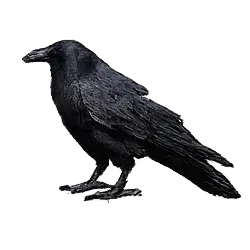
Crow (Corvus spp.) thumbnail image on AnimalDex

Crow

Species principle: Innovation

Test the object.

Ordinary things become tools when a mind is willing to test them.

Crows are highly intelligent corvids known for problem-solving, memory, social learning, object manipulation, and in some species tool use or tool-like behavior.

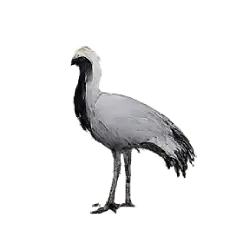
Demoiselle Crane (Anthropoides virgo) thumbnail image on AnimalDex

Demoiselle Crane

Species principle: Light Strength

Step lightly.

Lightness is not weakness when each step is exact.

Demoiselle Cranes are elegant cranes with long migrations, graceful movements, and precise walking and courtship behavior in open habitats.

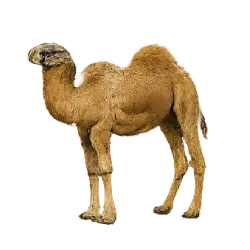
Dromedary Camel (Camelus dromedarius) thumbnail image on AnimalDex

Dromedary Camel

Species principle: Fortitude

Cross the heat.

Hard places are crossed by the body built to conserve what matters.

Dromedary Camels are adapted for desert travel with humps storing fat, tolerance for dehydration, wide feet for sand, closable nostrils, and physiological heat management.

Elephant (Elephantidae) thumbnail image on AnimalDex

Elephant

Species principle: Living Archive

Remember what matters.

Memory becomes wisdom when it protects the future.

Elephants remember migration routes, water sources, social bonds, threats, and lost companions across long periods, turning experience into survival guidance for the herd.

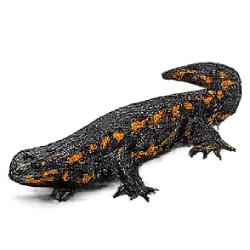
Emperor Newt (Tylototriton shanjing) thumbnail image on AnimalDex

Emperor Newt

Species principle: Small Grandeur

Wear the little crown.

Grandeur does not require size when the signal is unmistakable.

Emperor Newts have dark bodies with vivid orange ridges and glandular skin, using conspicuous coloration as a warning display.

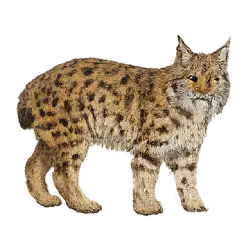
Eurasian Lynx (Lynx lynx) thumbnail image on AnimalDex

Eurasian Lynx

Species principle: Quiet Focus

Step without sound.

Power travels farthest when it wastes no sound.

Eurasian Lynx are solitary forest predators with tufted ears, large paws, thick fur, and stealthy stalking behavior used to hunt prey in wooded and snowy habitats.

Explore related indexes