
Panduan lapangan hewan
Amber Snail
Identifikasi, habitat, rarity, perilaku, simbolisme, fakta, dan pelajaran praktis dari alam.
Panduan lapangan hewan
Amber Snail
The Amber Snail, with its translucent, honey-hued shell, is a master of moisture management. Turn every surface into a highway, making the most of its slick, sticky superpower to explore and evade with grace.
You’re #1 of 1
RECORD ID
92B38369-4B3F-4F65-B612-0F88F9A71A6A
Native range
Natural range, not this capture location
Native range keys: north_america, south_america, europe, sub_saharan_africa, south_asia, southeast_asia, east_asia, australia_oceania.
Search near me0/1 XP toward Level 2
AnimalDex stats
Dominance
6
Speed
4
Size
4
Intelligence
5
Rarity
10%
Total
29
Size scale
✦ Available actions
Compare this public animal when your deck meets the current rules.
Nama ilmiah
Succineidae
Kategori
Marine invertebrate
Habitat
Native range keys: north_america, south_america, europe, sub_saharan_africa, south_asia, southeast_asia, east_asia, australia_oceania.
Rarity
Relatively common · 10/100
Native range
Native range keys: north_america, south_america, europe, sub_saharan_africa, south_asia, southeast_asia, east_asia, australia_oceania.
Mengapa Amber Snail?
Alasan di balik Prinsip Hewan ini dan biologi yang mendukungnya.
The Golden Glider. The Amber Snail, with its translucent, honey-hued shell, is a master of moisture management. Living in damp environments, it secretes a special mucus that not only helps it glide smoothly but also retains water, crucial for its survival. This snail's shell, resembling a drop of amber, has inspired tales of hidden treasures in many cultures. Unlike its garden snail cousins, the Amber Snail can climb vertical surfaces with ease, using its sticky trail to navigate and escape predators. Its strategy? Turn every surface into a highway, making the most of its slick, sticky superpower to explore and evade with grace.
Cara mengidentifikasi Amber Snail
- Recognized in AnimalDex as Amber Snail
- Indexed profile #1993
Habitat: Native range keys: north_america, south_america, europe, sub_saharan_africa, south_asia, southeast_asia, east_asia, australia_oceania.
Native range: Native range keys: north_america, south_america, europe, sub_saharan_africa, south_asia, southeast_asia, east_asia, australia_oceania.
nativeRangeCardTitle
nativeRangeCardDescription
Native range keys: north_america, south_america, europe, sub_saharan_africa, south_asia, southeast_asia, east_asia, australia_oceania.
To find Amber Snail in the wild, focus on the exact habitat patches that match its body design and daily behavior, not just the broad country where it exists. You usually do better by working one good piece of habitat inside native range keys: north_america, south_america, europe, sub_saharan_africa, south_asia, southeast_asia, east_asia, australia_oceania. than by covering too much ground.
- Headlands, reef edges, island colonies, tidal channels, or productive coastal water
- Protected habitat blocks within native range keys: north_america, south_america, europe, sub_saharan_africa, south_asia, southeast_asia, east_asia, australia_oceania.
- Start early, pick one strong patch of habitat, and stay long enough for movement to return after you arrive.
- Time your search around tide, wind, and visibility, then focus on feeding lines, reef edges, and known haul-out or nesting spots.
- Choose a viewing point with clean light and water visibility, then watch for repeated surfacing, feeding, or current lines.
Amber Snail eats the foods its body design and habitat make easiest to access. Diet can shift across seasons, life stages, and local competition.
- The most accessible prey or plant foods in its habitat
- Energy-rich foods that match its size and behavior
- Seasonal resources available in the local environment
A practical answer for Amber Snail always depends on what food is actually available in native range keys: north_america, south_america, europe, sub_saharan_africa, south_asia, southeast_asia, east_asia, australia_oceania..
- The Golden Glider. The Amber Snail, with its translucent, honey-hued shell, is a master of moisture management. Living in damp environments, it secretes a special mucus that not only helps it glide smoothly but also retains water, crucial for its survival. This snail's shell, resembling a drop of amber, has inspired tales of hidden treasures in many cultures. Unlike its garden snail cousins, the Amber Snail can climb vertical surfaces with ease, using its sticky trail to navigate and escape predators. Its strategy? Turn every surface into a highway, making the most of its slick, sticky superpower to explore and evade with grace.
- Observe from a respectful distance and avoid changing the animal's behavior.
- Do not block feeding, shelter, nesting, or travel routes.
- Use a live camera capture without handling or staging wildlife.
Hewan terkait
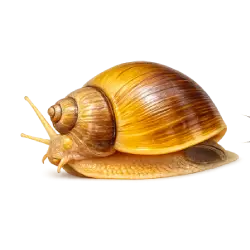
Apple Snail
The Slow-Laying Forager. The Slow-Laying Forager. Steady feeding and careful…
Baca panduan spesies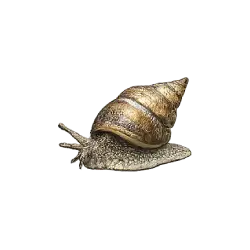
Danube River Snail
The Steady River Grazer. The Steady River Grazer. Small, consistent efforts can shape…
Baca panduan spesies
Flamingo Tongue Snail
Flamingo Tongue Snails display bold spotted mantles while feeding on soft corals. They…
Baca panduan spesiesBawa ensiklopedia ke dunia nyata
AnimalDex membantumu memindai hewan nyata, mengidentifikasi spesies, mengoleksi kartu, dan belajar dari alam di mana pun kamu berada.