
Panduan lapangan hewan
Band-eyed Drone Fly
Identifikasi, habitat, rarity, perilaku, simbolisme, fakta, dan pelajaran praktis dari alam.
The Striped Hoverer. Eristalinus taeniops, known for its strikingly striped eyes, is a master of mimicry. This hoverfly cleverly imitates the appearance of a bee, a tactic that keeps predators at bay. Its buzzing flight and bee-like stripes are not just for show—they're a survival strategy. In ancient times, these hoverflies were seen as symbols of transformation and adaptability, much like the ever-changing seasons. Unlike its relatives, Eristalinus taeniops uses its unique eye patterns to navigate and find food efficiently, often visiting flowers that bloom in open fields. This hoverfly’s strategy is simple: blend in with the bees, avoid being eaten, and feast on nectar, turning the art of deception into a daily routine.

Kartu AnimalDex
Buka kartu hewan ini
Pindai atau tangkap hewan ini dengan AnimalDex untuk membuka kartu koleksi dan menambahkannya ke koleksi satwa liarmu.
Dapatkan AnimalDexNama ilmiah
Eristalinus taeniops
Kategori
Invertebrate
Habitat
Band-eyed Drone Fly habitat data is maintained in the live AnimalDex field guide.
Rarity
Relatively common · 4/100
Native range
Band-eyed Drone Fly habitat data is maintained in the live AnimalDex field guide.
Mimicry Mastery
Blend to Survive.
Use clever mimicry to navigate challenges safely.
Apa yang diajarkannya
Just as the Band-eyed Drone Fly mimics bees to avoid predators, adopting strategic mimicry can help you navigate complex situations with ease and safety.
Coba
In human life, that means we do not have to be loud to be powerful.
Bukti alam
Eristalinus taeniops uses its bee-like appearance to deter predators, allowing it to feed on nectar without threat.
Gunakan untuk
Tangkapan Band-eyed Drone Fly berperingkat
Belum ada tangkapan komunitas berperingkat untuk spesies ini.
Mengapa Mimicry Mastery?
Alasan di balik Prinsip Hewan ini dan biologi yang mendukungnya.
The Striped Hoverer. Eristalinus taeniops, known for its strikingly striped eyes, is a master of mimicry. This hoverfly cleverly imitates the appearance of a bee, a tactic that keeps predators at bay. Its buzzing flight and bee-like stripes are not just for show—they're a survival strategy. In ancient times, these hoverflies were seen as symbols of transformation and adaptability, much like the ever-changing seasons. Unlike its relatives, Eristalinus taeniops uses its unique eye patterns to navigate and find food efficiently, often visiting flowers that bloom in open fields. This hoverfly’s strategy is simple: blend in with the bees, avoid being eaten, and feast on nectar, turning the art of deception into a daily routine.
Cara mengidentifikasi Band-eyed Drone Fly
- Recognized in AnimalDex as Band-eyed Drone Fly
- Indexed profile #1086
Habitat: Band-eyed Drone Fly habitat data is maintained in the live AnimalDex field guide.
Native range: Band-eyed Drone Fly habitat data is maintained in the live AnimalDex field guide.
To find Band-eyed Drone Fly in the wild, focus on the exact habitat patches that match its body design and daily behavior, not just the broad country where it exists. You usually do better by working one good piece of habitat inside band-eyed Drone Fly habitat data is maintained in the live AnimalDex field guide. than by covering too much ground.
- Band-eyed Drone Fly habitat data is maintained in the live AnimalDex field guide.
- Protected habitat blocks within band-eyed Drone Fly habitat data is maintained in the live AnimalDex field guide.
- Start early, pick one strong patch of habitat, and stay long enough for movement to return after you arrive.
- Look for food, cover, and movement routes in the same place, because the best sightings usually happen where those overlap.
- Move quietly, stop often, and give the habitat time to settle; many mammals and insects show themselves only after the first pause.
Band-eyed Drone Fly eats the foods its body design and habitat make easiest to access. Diet can shift across seasons, life stages, and local competition.
- The most accessible prey or plant foods in its habitat
- Energy-rich foods that match its size and behavior
- Seasonal resources available in the local environment
A practical answer for Band-eyed Drone Fly always depends on what food is actually available in band-eyed drone fly habitat data is maintained in the live animaldex field guide..
- Use clever mimicry to navigate challenges safely.
Band-eyed Drone Fly most often symbolizes mimicry mastery in AnimalDex because its real survival behavior repeatedly shows this pattern.
Just as the Band-eyed Drone Fly mimics bees to avoid predators, adopting strategic mimicry can help you navigate complex situations with ease and safety.
Eristalinus taeniops uses its bee-like appearance to deter predators, allowing it to feed on nectar without threat.
- Observe from a respectful distance and avoid changing the animal's behavior.
- Do not block feeding, shelter, nesting, or travel routes.
- Use a live camera capture without handling or staging wildlife.
statsTitle
statsDescription
statsSourceLabel: statsSourceSpeciesProfile
dominanceStat
2
speedStat
5
sizeStat
1
intelligenceStat
2
rarityStat
4%
Total
14
Size scale
Microscopic edge
Uses the canonical size stat for consistent placement


US$6 – US$12
Perkiraan rentang nilai
Kepercayaan 69%
Perkiraan nilai AnimalDex dibuat dari stat spesies kanonik.
Not a marketplace listing.
Perkiraan nilai berdasarkan hewan yang teridentifikasi dan konteks harga yang tersedia. Bukan daftar marketplace.
Seberapa langka Band-eyed Drone Fly?
Rarity: Relatively common (4/100)
AnimalDex canonical rarity score: 4/100, maintained by the live indexed species profile.
Public Animal Power
Explore this Animal Power
This is a public capture, so you can explore its Animal Power here. Personal Apex matches and challenges use your Wild Profile and animals you own.
Own an animal with this power to use it in Growth challenges.
Hewan terkait
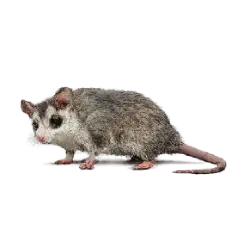
Gray Four-eyed Opossum
Gray Four-eyed Opossum is a mammal known for pale eyebrow eye-spots, prehensile tail,…
Baca panduan spesies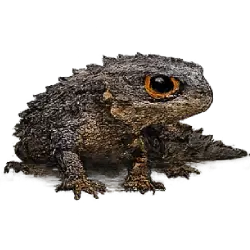
Red-eyed Crocodile Skink
Red-eyed Crocodile Skink is a reptile known for red-orange eye rings, armor-like ridged…
Baca panduan spesies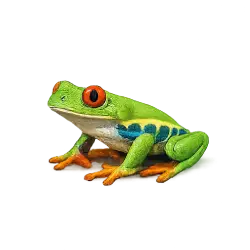
Red-eyed Tree Frog
The red-eyed tree frog is a bright canopy amphibian known for leaf-side resting,…
Baca panduan spesiesLebih banyak hewan dengan kekuatan Strategic Camouflage
Jelajahi semua hewan Strategic Camouflage
American Badger
American Badger turns Burrow Strategy into muscular problem-solving, using claws,…
Baca panduan spesies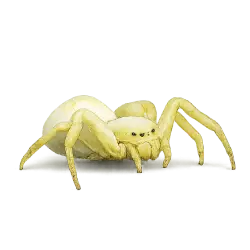
Goldenrod Crab Spider
Goldenrod Crab Spider expresses Flower-Edge Ambush through real survival details, not a…
Baca panduan spesies
Hackberry Emperor
Hackberry Emperor explains Leafmask through a body and routine shaped for its exact…
Baca panduan spesiesBawa ensiklopedia ke dunia nyata
AnimalDex membantumu memindai hewan nyata, mengidentifikasi spesies, mengoleksi kartu, dan belajar dari alam di mana pun kamu berada.