
Panduan lapangan hewan
Chinese Hwamei
Identifikasi, habitat, rarity, perilaku, simbolisme, fakta, dan pelajaran praktis dari alam.
Panduan lapangan hewan
Chinese Hwamei
The Chinese Hwamei is a plain brown bird with a bold white eyering, kept in cages across Southeast Asia for one reason: its song. It reminds us that what stands out is not always what you can see.
You’re #1 of 1
RECORD ID
BFDA96C0-E312-4A16-8AB7-3A9A047BF026
Native range
Natural range, not this capture location
Native range keys: east_asia, southeast_asia.
Wild reward hint
First-time wild species earn bonus rewards, including 1 free credit.
0/1 XP toward Level 2
AnimalDex stats
Dominance
12
Speed
28
Size
14
Intelligence
32
Rarity
18%
Total
104
Size scale
✦ Available actions
Compare this public animal when your deck meets the current rules.
Nama ilmiah
Garrulax canorus
Kategori
Animal
Habitat
Native range keys: east_asia, southeast_asia.
Rarity
Relatively common · 38/100
Native range
Native range keys: east_asia, southeast_asia.
Mengapa Chinese Hwamei?
Alasan di balik Prinsip Hewan ini dan biologi yang mendukungnya.
The Cage-Song Improviser. The Chinese Hwamei is a plain brown bird with a bold white eyering, kept in cages across Southeast Asia for one reason: its song. It improvises endlessly, borrowing and reworking phrases it hears. It reminds us that what stands out is not always what you can see.
Cara mengidentifikasi Chinese Hwamei
- Recognized in AnimalDex as Chinese Hwamei
- Indexed profile #2034
Habitat: Native range keys: east_asia, southeast_asia.
Native range: Native range keys: east_asia, southeast_asia.
nativeRangeCardTitle
nativeRangeCardDescription
Native range keys: east_asia, southeast_asia.
To find Chinese Hwamei in the wild, focus on the exact habitat patches that match its body design and daily behavior, not just the broad country where it exists. You usually do better by working one good piece of habitat inside native range keys: east_asia, southeast_asia. than by covering too much ground.
- Native range keys: east_asia, southeast_asia.
- Protected habitat blocks within native range keys: east_asia, southeast_asia.
- Start early, pick one strong patch of habitat, and stay long enough for movement to return after you arrive.
- Look for food, cover, and movement routes in the same place, because the best sightings usually happen where those overlap.
- Move quietly, stop often, and give the habitat time to settle; many mammals and insects show themselves only after the first pause.
Chinese Hwamei eats the foods its body design and habitat make easiest to access. Diet can shift across seasons, life stages, and local competition.
- The most accessible prey or plant foods in its habitat
- Energy-rich foods that match its size and behavior
- Seasonal resources available in the local environment
A practical answer for Chinese Hwamei always depends on what food is actually available in native range keys: east_asia, southeast_asia..
- The Cage-Song Improviser. The Chinese Hwamei is a plain brown bird with a bold white eyering, kept in cages across Southeast Asia for one reason: its song. It improvises endlessly, borrowing and reworking phrases it hears. It reminds us that what stands out is not always what you can see.
- Observe from a respectful distance and avoid changing the animal's behavior.
- Do not block feeding, shelter, nesting, or travel routes.
- Use a live camera capture without handling or staging wildlife.
Hewan terkait

Chinese Alligator
Chinese Alligator is a reptile known for short broad snout, armored dark body, and…
Baca panduan spesies
Chinese Cobra
Chinese Cobra is a reptile known for raised hood warning, defensive boundary posture,…
Baca panduan spesies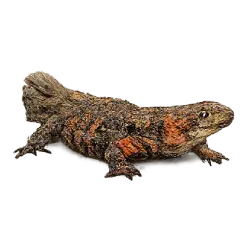
Chinese Crocodile Lizard
Chinese Crocodile Lizard is a reptile known for armor-like ridged tail, semi-aquatic…
Baca panduan spesiesBawa ensiklopedia ke dunia nyata
AnimalDex membantumu memindai hewan nyata, mengidentifikasi spesies, mengoleksi kartu, dan belajar dari alam di mana pun kamu berada.