
Panduan lapangan hewan
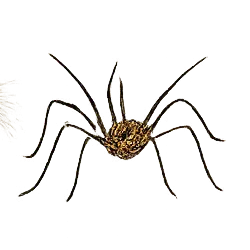
Common Harvestman
Identifikasi, habitat, rarity, perilaku, simbolisme, fakta, dan pelajaran praktis dari alam.
Common Harvestman teaches Delicacy through a tiny body carried by impossibly long legs. Its light stepping, night wandering, leaf-litter movement, and careful sensing show that mass is not required to cross a vast world.
Nama ilmiah
Opiliones
Kategori
Arachnid
Habitat
Native range keys: europe, north_america. Meadows, gardens, hedgerows, leaf litter, tree trunks, walls, and damp vegetation fit Common Harvestmen because their long legs work best in layered, cluttered spaces.
Rarity
Relatively common · 25/100
Native range
Native range keys: europe, north_america. Meadows, gardens, hedgerows, leaf litter, tree trunks, walls, and damp vegetation fit Common Harvestmen because their long legs work best in layered, cluttered spaces.
Delicacy
Walk lightly.
Long-Legged Night Wandering
Apa yang diajarkannya
You do not need mass to move carefully through a vast world.
Coba
A delicate friendship needs care, so you move gently instead of forcing closeness.
Bukti alam
Common Harvestmen have small bodies and very long legs used to move through vegetation, leaf litter, gardens, and meadows. They are nocturnal or crepuscular scavengers and predators of small organisms.
Gunakan untuk
Tangkapan Common Harvestman berperingkat
3 tangkapan berperingkat dalam grup ini dari kolektor AnimalDex.
DinoElite
@theonlydino111Wild · West Branch Nature Preserve · Concord, Cabarrus County, United States
Skor 0
Mengapa Delicacy?
Alasan di balik Prinsip Hewan ini dan biologi yang mendukungnya.
Common Harvestman teaches Delicacy through a tiny body carried by impossibly long legs. Its light stepping, night wandering, leaf-litter movement, and careful sensing show that mass is not required to cross a vast world.
Cara mengidentifikasi Common Harvestman
- Biological Superpower: Sensitive to vibrations, aiding in prey detection.
- Nature Calendar: Active year-round, often found indoors.
- Useful Lesson: Adaptability to various environments ensures survival.
Kenapa Common Harvestman menarik
- Despite their fragile appearance, they are effective predators.
- Their webs are irregular and often found in corners.
- They can vibrate rapidly in their webs to confuse predators.
Habitat: Native range keys: europe, north_america. Meadows, gardens, hedgerows, leaf litter, tree trunks, walls, and damp vegetation fit Common Harvestmen because their long legs work best in layered, cluttered spaces.
Native range: Native range keys: europe, north_america. Meadows, gardens, hedgerows, leaf litter, tree trunks, walls, and damp vegetation fit Common Harvestmen because their long legs work best in layered, cluttered spaces.
nativeRangeCardTitle
nativeRangeCardDescription
Native range keys: europe, north_america. Meadows, gardens, hedgerows, leaf litter, tree trunks, walls, and damp vegetation fit Common Harvestmen because their long legs work best in layered, cluttered spaces.
To find Common Harvestman in the wild, focus on the exact habitat patches that match its body design and daily behavior, not just the broad country where it exists. You usually do better by working one good piece of habitat inside native range keys: europe, north_america. Meadows, gardens, hedgerows, leaf litter, tree trunks, walls, and damp vegetation fit Common Harvestmen because their long legs work best in layered, cluttered spaces. than by covering too much ground.
- Open grassland edges, lightly wooded plains, or raised ground where you can scan long distances
- Sunlit logs, exposed branches, warm rocks, or regular perch sites used for scanning
- Protected habitat blocks within native range keys: europe, north_america. Meadows, gardens, hedgerows, leaf litter, tree trunks, walls, and damp vegetation fit Common Harvestmen because their long legs work best in layered, cluttered spaces.
- Go at dusk or after dark, move slowly, and listen before using a light or stepping into cover.
- Use binoculars from a track, ridge, or vehicle stop and scan far ahead before you move closer.
- Move quietly, stop often, and give the habitat time to settle; many mammals and insects show themselves only after the first pause.
Small insects, mites, soft-bodied prey, carrion, fungi, and decaying matter support the Delicacy lesson because harvestmen survive by lightly searching many small opportunities.
Birds, spiders, amphibians, small mammals, and predatory insects threaten harvestmen. Long legs, chemical defenses in many harvestmen, and quick release from danger help them survive.
Common Harvestmen are often crepuscular or nocturnal, moving when humidity is safer and exposure is lower. Their rhythm supports careful movement through a large world.
Common Harvestmen often live around one year, though some may survive into a second season when shelter, moisture, and timing support Delicacy.
Females lay eggs in soil, leaf litter, or protected crevices, placing the next generation quietly into the same low, cluttered world that rewards Delicacy.
Males and females look similar, but males may have slightly longer legs.
- Biological Superpower: Sensitive to vibrations, aiding in prey detection.
- Nature Calendar: Active year-round, often found indoors.
- Useful Lesson: Adaptability to various environments ensures survival.
Common Harvestman most often symbolizes delicacy in AnimalDex because its real survival behavior repeatedly shows this pattern.
You do not need mass to move carefully through a vast world.
Common Harvestmen have small bodies and very long legs used to move through vegetation, leaf litter, gardens, and meadows. They are nocturnal or crepuscular scavengers and predators of small organisms.
- Observe from a respectful distance and avoid changing the animal's behavior.
- Do not block feeding, shelter, nesting, or travel routes.
- Use a live camera capture without handling or staging wildlife.
0/1 XP toward Level 2
statsTitle
statsDescription
statsSourceLabel: statsSourceSpeciesProfile
dominanceStat
18
speedStat
28
sizeStat
3
intelligenceStat
18
rarityStat
25%
Total
92
Size scale
Microscopic edge
Uses the canonical size stat for consistent placement





US$45 – US$93
Perkiraan rentang nilai
Kepercayaan 69%
Perkiraan nilai AnimalDex dibuat dari stat spesies kanonik.
Not a marketplace listing.
Perkiraan nilai berdasarkan hewan yang teridentifikasi dan konteks harga yang tersedia. Bukan daftar marketplace.
Seberapa langka Common Harvestman?
Rarity: Relatively common (25/100)
AnimalDex canonical rarity score: 25/100, maintained by the live indexed species profile.
Public Animal Power
Explore this Animal Power
This is a public capture, so you can explore its Animal Power here. Personal Apex matches and challenges use your Wild Profile and animals you own.
Own an animal with this power to use it in Growth challenges.
Comparison hearts ready
3 of 3 hearts remaining. Each loss removes 1 heart.
✦ Available actions
Compare this public animal when your deck meets the current rules.
⚡CompareUnavailable›Hewan terkait

Common Harvestman
Common Harvestman is a arachnid known for tiny body with very long legs, single fused…
Baca panduan spesies
Ant-mimicking Spider
The Ant-mimicking Spider shows that identity can be protective. By resembling ants, it…
Baca panduan spesies
Assassin Spider
The Assassin Spider is a lesson in specialized strategy. It does not win by being…
Baca panduan spesiesLebih banyak hewan dengan kekuatan Careful Movement
Jelajahi semua hewan Careful Movement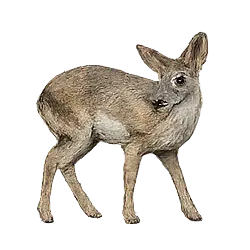
Beira
Beira is a mammal known for oversized alert ears, tiny gray-tan body, and rocky scrub…
Baca panduan spesies
Greater Painted-snipe
Painted Snipe is framed by Painted Wetland Quiet: a bird whose body and habits make…
Baca panduan spesies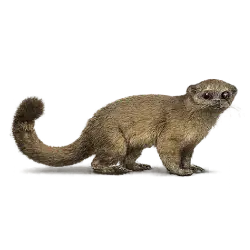
Olingo
Olingo is a mammal known for long balancing tail, woolly brown canopy body, and…
Baca panduan spesiesBawa ensiklopedia ke dunia nyata
AnimalDex membantumu memindai hewan nyata, mengidentifikasi spesies, mengoleksi kartu, dan belajar dari alam di mana pun kamu berada.