
Panduan lapangan hewan
Green June Beetle
Identifikasi, habitat, rarity, perilaku, simbolisme, fakta, dan pelajaran praktis dari alam.
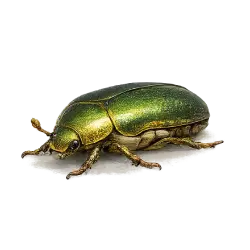
The Emerald Excavator. The Green June Beetle, Cotinis nitida, is a master of underground operations. With its metallic green sheen, it might look like a jewel, but its real talent lies beneath the surface. These beetles are known for their larvae, which are expert burrowers, aerating the soil as they tunnel through it. This natural tilling process is a boon for gardeners, as it helps enrich the earth and promote healthy plant growth. In some Native American cultures, beetles like these are seen as symbols of transformation and renewal, reflecting their life cycle from larva to adult. So, if you spot one of these shiny beetles, remember its unique role in nature's underground workforce, turning soil into fertile ground for new life.
Nama ilmiah
Cotinis nitida
Kategori
Invertebrate
Habitat
Green June Beetle habitat data is maintained in the live AnimalDex field guide.
Rarity
Relatively common · 4/100
Native range
Green June Beetle habitat data is maintained in the live AnimalDex field guide.
Soil Aeration
Enrich from the ground up.
Cultivate your environment by enriching the foundations.
Apa yang diajarkannya
Just as Green June Beetle larvae aerate the soil, enhancing its fertility, we can improve our surroundings by nurturing the basics and fostering growth.
Coba
In human life, that means rest and recovery are part of staying effective, not a failure of effort.
Bukti alam
Green June Beetle larvae burrow through the soil, naturally aerating it and promoting plant health by improving soil structure.
Gunakan untuk
Tangkapan Green June Beetle berperingkat
1 tangkapan berperingkat dalam grup ini dari kolektor AnimalDex.
Garrett8522
@dannimal2285Wild · The Sanctuary At Charlotte · University City, Charlotte, Mecklenburg County, NC, United States
Skor 0
Mengapa Soil Aeration?
Alasan di balik Prinsip Hewan ini dan biologi yang mendukungnya.
The Emerald Excavator. The Green June Beetle, Cotinis nitida, is a master of underground operations. With its metallic green sheen, it might look like a jewel, but its real talent lies beneath the surface. These beetles are known for their larvae, which are expert burrowers, aerating the soil as they tunnel through it. This natural tilling process is a boon for gardeners, as it helps enrich the earth and promote healthy plant growth. In some Native American cultures, beetles like these are seen as symbols of transformation and renewal, reflecting their life cycle from larva to adult. So, if you spot one of these shiny beetles, remember its unique role in nature's underground workforce, turning soil into fertile ground for new life.
Cara mengidentifikasi Green June Beetle
- Recognized in AnimalDex as Green June Beetle
- Indexed profile #1136
Habitat: Green June Beetle habitat data is maintained in the live AnimalDex field guide.
Native range: Green June Beetle habitat data is maintained in the live AnimalDex field guide.
To find Green June Beetle in the wild, focus on the exact habitat patches that match its body design and daily behavior, not just the broad country where it exists. You usually do better by working one good piece of habitat inside green June Beetle habitat data is maintained in the live AnimalDex field guide. than by covering too much ground.
- Burrow systems, sandy banks, fallen logs, or ground with clear den entrances
- Protected habitat blocks within green June Beetle habitat data is maintained in the live AnimalDex field guide.
- Start early, pick one strong patch of habitat, and stay long enough for movement to return after you arrive.
- Look for food, cover, and movement routes in the same place, because the best sightings usually happen where those overlap.
- Move quietly, stop often, and give the habitat time to settle; many mammals and insects show themselves only after the first pause.
Green June Beetle eats the foods its body design and habitat make easiest to access. Diet can shift across seasons, life stages, and local competition.
- The most accessible prey or plant foods in its habitat
- Energy-rich foods that match its size and behavior
- Seasonal resources available in the local environment
A practical answer for Green June Beetle always depends on what food is actually available in green june beetle habitat data is maintained in the live animaldex field guide..
- Cultivate your environment by enriching the foundations.
Green June Beetle most often symbolizes soil aeration in AnimalDex because its real survival behavior repeatedly shows this pattern.
Just as Green June Beetle larvae aerate the soil, enhancing its fertility, we can improve our surroundings by nurturing the basics and fostering growth.
Green June Beetle larvae burrow through the soil, naturally aerating it and promoting plant health by improving soil structure.
- Observe from a respectful distance and avoid changing the animal's behavior.
- Do not block feeding, shelter, nesting, or travel routes.
- Use a live camera capture without handling or staging wildlife.
0/1 XP toward Level 2
statsTitle
statsDescription
statsSourceLabel: statsSourceSpeciesProfile
dominanceStat
2
speedStat
5
sizeStat
1
intelligenceStat
2
rarityStat
4%
Total
14
Size scale
Microscopic edge
Uses the canonical size stat for consistent placement






US$6 – US$12
Perkiraan rentang nilai
Kepercayaan 69%
Perkiraan nilai AnimalDex dibuat dari stat spesies kanonik.
Not a marketplace listing.
Perkiraan nilai berdasarkan hewan yang teridentifikasi dan konteks harga yang tersedia. Bukan daftar marketplace.
Seberapa langka Green June Beetle?
Rarity: Relatively common (4/100)
AnimalDex canonical rarity score: 4/100, maintained by the live indexed species profile.
Public Animal Power
Explore this Animal Power
This is a public capture, so you can explore its Animal Power here. Personal Apex matches and challenges use your Wild Profile and animals you own.
Own an animal with this power to use it in Growth challenges.
Comparison hearts ready
3 of 3 hearts remaining. Each loss removes 1 heart.
✦ Available actions
Compare this public animal when your deck meets the current rules.
⚡CompareUnavailable›Hewan terkait

Golden Jewel Beetle
Jewel Beetle's power is Metallic Warning: hard beetle bodies and metallic color that…
Baca panduan spesies
Harlequin Beetle
The Harlequin Beetle shows how reach becomes advantage. Its long limbs and bold form…
Baca panduan spesies
Japanese beetle
Japanese beetle carries Garden through a distinctive survival pattern rather than a…
Baca panduan spesiesLebih banyak hewan dengan kekuatan Groundwork
Jelajahi semua hewan Groundwork
Hog Badger
Hog Badger is a mammal known for piglike digging snout, heavy low-set body, and…
Baca panduan spesies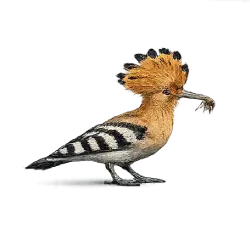
Hoopoe
The hoopoe is a long-billed ground-foraging bird recognized by its fan-shaped crest,…
Baca panduan spesies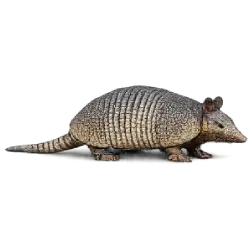
Nine-banded Armadillo
The nine-banded armadillo is a small armored mammal known for banded shell plates,…
Baca panduan spesiesBawa ensiklopedia ke dunia nyata
AnimalDex membantumu memindai hewan nyata, mengidentifikasi spesies, mengoleksi kartu, dan belajar dari alam di mana pun kamu berada.