
Panduan lapangan hewan
Hoopoe
Identifikasi, habitat, rarity, perilaku, simbolisme, fakta, dan pelajaran praktis dari alam.
The Crowned Bug Finder. The Hoopoe uses a long curved beak to probe the ground and pull out insects hiding below the surface. It teaches us that looking where others forget to search can uncover something special.
Kartu AnimalDex
Buka kartu hewan ini
Pindai atau tangkap hewan ini dengan AnimalDex untuk membuka kartu koleksi dan menambahkannya ke koleksi satwa liarmu.
Dapatkan AnimalDexNama ilmiah
Upupa epops
Kategori
Bird
Habitat
Open woodland, farmland, scrub, parks, and lightly grazed country with exposed ground.
Rarity
Relatively common · 42/100
Native range
Europe, Africa, Asia, and parts of the Middle East depending on seasonal movement.
Probing
Probe the forgotten.
Crowned Ground Searching
Apa yang diajarkannya
Forgotten ground gives treasure to the bill that keeps asking.
Coba
A problem seems buried, so you ask one more specific question.
Bukti alam
Hoopoes use long curved bills to probe soil, grass, and crevices for insects and larvae, and their crest and calls make them visually distinctive.
Gunakan untuk
Tangkapan Hoopoe berperingkat
Belum ada tangkapan komunitas berperingkat untuk spesies ini.
Mengapa Probing?
Alasan di balik Prinsip Hewan ini dan biologi yang mendukungnya.
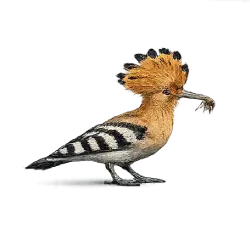
The hoopoe is a long-billed ground-foraging bird recognized by its fan-shaped crest, bold wing pattern, and probing feeding style.
Cara mengidentifikasi Hoopoe
- Cinnamon body with dramatic black-and-white barred wings
- Long curved bill and raisable orange crest
- Butterfly-like undulating flight over open ground
Kenapa Hoopoe menarik
- Hoopoes are one of the easiest birds to identify once seen well, thanks to their flight pattern and crest.
- They reward attention to both shape and feeding style, not color alone.
Habitat: Open woodland, farmland, scrub, parks, and lightly grazed country with exposed ground.
Native range: Europe, Africa, Asia, and parts of the Middle East depending on seasonal movement.
nativeRangeCardTitle
nativeRangeCardDescription
Open woodland, farmland, scrub, parks, and lightly grazed country with exposed ground.
To find Hoopoe in the wild, focus on the exact habitat patches that match its body design and daily behavior, not just the broad country where it exists. You usually do better by working one good piece of habitat inside europe, Africa, Asia, and parts of the Middle East depending on seasonal movement. than by covering too much ground.
- Forest edge, canopy gaps, fruiting trees, or shaded trails where cover and food meet
- Protected habitat blocks within europe, Africa, Asia, and parts of the Middle East depending on seasonal movement.
- Start early, pick one strong patch of habitat, and stay long enough for movement to return after you arrive.
- Work edges, clearings, fruiting trees, and stream crossings rather than walking randomly through dense cover.
- Use sound, flight lines, and perch trees as clues; birds often reveal themselves before they sit in the open.
Beetle larvae, crickets, ants, worms, pupae, and insects support Probing because food is hidden below the surface.
Hoopoes are diurnal, feeding by walking and probing in daylight. Their rhythm rewards patient questions.
Hoopoe can live long enough for repeated seasonal, territorial, or breeding cycles to matter. The exact lifespan varies with predators, habitat pressure, and care, but the lesson depends on repeated use of its core strategy.
females nest in cavities and use strong-smelling defenses around young. Offspring survival depends on the same habitat logic that shapes the adult: shelter, timing, food access, and protection from predators.
Males and females may differ in size, ornament, or breeding role depending on the species, but the field-guide lesson is carried by the shared survival design rather than a generic male-versus-female contrast.
- Probes soil and leaf litter for insects and larvae
- Raises the crest during alarm, landing, or display
- Uses cavities and walls for nesting rather than building a typical cup nest
Hoopoe most often symbolizes probing in AnimalDex because its real survival behavior repeatedly shows this pattern.
Forgotten ground gives treasure to the bill that keeps asking.
Hoopoes use long curved bills to probe soil, grass, and crevices for insects and larvae, and their crest and calls make them visually distinctive.
- Stand still near feeding patches rather than walking toward every landing bird.
- Avoid approaching nest holes in walls, banks, or tree cavities.
- Woodhoopoe species
- Jay at brief glance
- Butterfly-like flight of wagtails in heat haze
statsTitle
statsDescription
statsSourceLabel: statsSourceSpeciesProfile
dominanceStat
46
speedStat
57
sizeStat
33
intelligenceStat
38
rarityStat
42%
Total
216
Size scale
Medium
Uses the canonical size stat for consistent placement





US$148 – US$306
Perkiraan rentang nilai
Kepercayaan 69%
Perkiraan nilai AnimalDex dibuat dari stat spesies kanonik.
Not a marketplace listing.
Perkiraan nilai berdasarkan hewan yang teridentifikasi dan konteks harga yang tersedia. Bukan daftar marketplace.
Seberapa langka Hoopoe?
Rarity: Relatively common (42/100)
Hoopoes are still widespread but depend on insect-rich open ground and suitable nesting cavities.
Systems Intelligence & Hidden Purpose
Sudut pandang systems biology untuk melihat bagaimana spesies ini dibangun, peran apa yang dijalankannya di ekosistem, dan pelajaran praktis apa yang bisa dipetik manusia.
System Role
The Soil Probe Specialist
Hoopoe
Specialized Hardware
A curved probing bill and open-ground foraging posture make hoopoes efficient extraction hardware for hidden invertebrates in shallow soil.
Systems Script
Hoopoes turn insect-rich ground into accessible bird energy while tying cavity nests to open feeding zones. They thrive where structure and exposed soil remain in workable balance.
Strategic Insight
Surface appearances lie. Good operators know where to probe beneath them.
Public Animal Power
Explore this Animal Power
This is a public capture, so you can explore its Animal Power here. Personal Apex matches and challenges use your Wild Profile and animals you own.
Own an animal with this power to use it in Growth challenges.
Hewan terkait
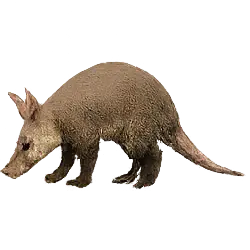
Aardvark
The aardvark is a nocturnal African mammal known for its long snout, strong digging…
Baca panduan spesies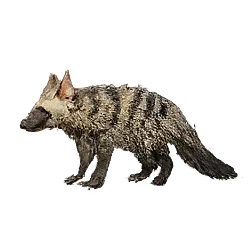
Aardwolf
The aardwolf is a small striped relative of hyenas that feeds mainly on termites rather…
Baca panduan spesies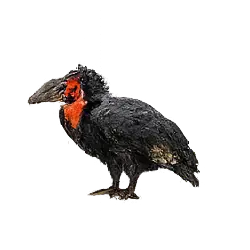
Abyssinian Ground Hornbill
Abyssinian Ground Hornbill is a bird known for bare red facial skin, huge…
Baca panduan spesiesLebih banyak hewan dengan kekuatan Groundwork
Jelajahi semua hewan Groundwork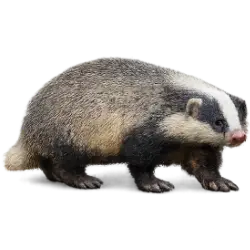
Hog Badger
Hog Badger is a mammal known for piglike digging snout, heavy low-set body, and…
Baca panduan spesies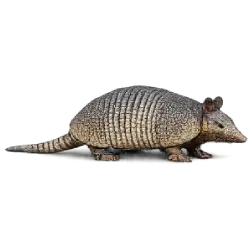
Nine-banded Armadillo
The nine-banded armadillo is a small armored mammal known for banded shell plates,…
Baca panduan spesies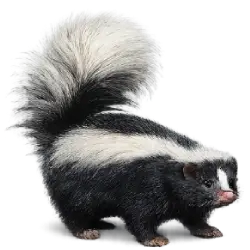
Patagonian Hog-nosed Skunk
Patagonian Hog-nosed Skunk is a mammal known for pig-like rooting snout, bold…
Baca panduan spesiesBawa ensiklopedia ke dunia nyata
AnimalDex membantumu memindai hewan nyata, mengidentifikasi spesies, mengoleksi kartu, dan belajar dari alam di mana pun kamu berada.