
Panduan lapangan hewan
Grevy's Zebra
Identifikasi, habitat, rarity, perilaku, simbolisme, fakta, dan pelajaran praktis dari alam.
narrow-striped giant zebra. Grevy's Zebra is the largest zebra — narrow stripes, big ears, and dry open country.

Kartu AnimalDex
Buka kartu hewan ini
Pindai atau tangkap hewan ini dengan AnimalDex untuk membuka kartu koleksi dan menambahkannya ke koleksi satwa liarmu.
Dapatkan AnimalDexNama ilmiah
Equus grevyi
Kategori
Animal
Habitat
Semi-arid grasslands and scrub of Kenya and Ethiopia.
Rarity
Rare · 82/100
Native range
Semi-arid grasslands and scrub of Kenya and Ethiopia.
Open-Country Vigilance
Watch the horizon.
See far, move with intention.
Apa yang diajarkannya
In wide landscapes, awareness and decisive movement keep you free.
Coba
In human life, this reminds us that resilience is often built one repeatable step at a time.
Bukti alam
Grevy's Zebras are large arid-country equids that rely on keen senses, narrow-stripe camouflage at distance, and fluid social spacing.
Gunakan untuk
Tangkapan Grevy's Zebra berperingkat
Belum ada tangkapan komunitas berperingkat untuk spesies ini.
Mengapa Open-Country Vigilance?
Alasan di balik Prinsip Hewan ini dan biologi yang mendukungnya.
Grevy's Zebra is the largest zebra species, recognized by very narrow stripes and large mule-like ears.
Cara mengidentifikasi Grevy's Zebra
- Very narrow body stripes
- Large rounded ears
- Largest zebra species
- White belly often less striped
Kenapa Grevy's Zebra menarik
- Grevy's Zebra is more closely related to wild asses than casual zebra comparisons suggest.
- It prefers semi-arid grasslands and scrub in the Horn of Africa region.
- Conservation concern is higher than for Plains Zebra because of smaller, fragmented populations.
Habitat: Semi-arid grasslands and scrub of Kenya and Ethiopia.
Native range: Semi-arid grasslands and scrub of Kenya and Ethiopia.
nativeRangeCardTitle
nativeRangeCardDescription
Semi-arid grasslands and scrub of Kenya and Ethiopia.
To find Grevy's Zebra in the wild, focus on the exact habitat patches that match its body design and daily behavior, not just the broad country where it exists. You usually do better by working one good piece of habitat inside semi-arid grasslands and scrub of Kenya and Ethiopia. than by covering too much ground.
- Open grassland edges, lightly wooded plains, or raised ground where you can scan long distances
- Water sources, dune bases, rocky wadis, or shaded scrub at first and last light
- Protected habitat blocks within semi-arid grasslands and scrub of Kenya and Ethiopia.
- Start early, pick one strong patch of habitat, and stay long enough for movement to return after you arrive.
- Use binoculars from a track, ridge, or vehicle stop and scan far ahead before you move closer.
- Move quietly, stop often, and give the habitat time to settle; many mammals and insects show themselves only after the first pause.
Grasses and tough arid-country forage.
Lions, hyenas, and other large carnivores may prey on foals and occasionally adults.
Mostly diurnal foraging with alert rest in open habitat.
Often around 20–25 years in the wild, longer in protected care.
Females usually bear a single foal; foals have brownish striping that darkens with age.
Males are often more territorial; both sexes share the narrow-stripe pattern.
- Very narrow body stripes
- Large rounded ears
- Largest zebra species
- White belly often less striped
Grevy's Zebra most often symbolizes open-country vigilance in AnimalDex because its real survival behavior repeatedly shows this pattern.
In wide landscapes, awareness and decisive movement keep you free.
Grevy's Zebras are large arid-country equids that rely on keen senses, narrow-stripe camouflage at distance, and fluid social spacing.
- Observe from a respectful distance and avoid changing the animal's behavior.
- Do not block feeding, shelter, nesting, or travel routes.
- Use a live camera capture without handling or staging wildlife.
statsTitle
statsDescription
statsSourceLabel: statsSourceSpeciesProfile
dominanceStat
60
speedStat
62
sizeStat
58
intelligenceStat
44
rarityStat
82%
Total
306
Size scale
Large
Uses the canonical size stat for consistent placement

US$287 – US$595
Perkiraan rentang nilai
Kepercayaan 69%
Perkiraan nilai AnimalDex dibuat dari stat spesies kanonik.
Not a marketplace listing.
Perkiraan nilai berdasarkan hewan yang teridentifikasi dan konteks harga yang tersedia. Bukan daftar marketplace.
Seberapa langka Grevy's Zebra?
Rarity: Rare (82/100)
AnimalDex canonical rarity score: 82/100, maintained by the live indexed species profile.
Public Animal Power
Explore this Animal Power
This is a public capture, so you can explore its Animal Power here. Personal Apex matches and challenges use your Wild Profile and animals you own.
Own an animal with this power to use it in Growth challenges.
Hewan terkait
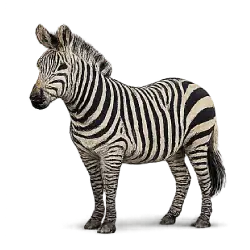
Mountain Zebra
Mountain Zebra is a mammal known for black-and-white striping, gridiron rump pattern,…
Baca panduan spesies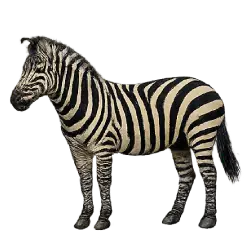
Plains Zebra
The plains zebra is a striped African grazer built for open-country movement, herd…
Baca panduan spesies
Domestic Donkey
Domestic donkeys (Equus asinus) include all domestic breeds and burros, and cover their…
Baca panduan spesiesLebih banyak hewan dengan kekuatan Awareness
Jelajahi semua hewan Awareness
California Spiny Lobster
California Spiny Lobster defends before contact, using long antennae, spines, and…
Baca panduan spesies
Common Prawn
Common Prawn lives by alert transparency, using quick antennae, clear body edges, and…
Baca panduan spesies
European Stonechat
European Stonechat works from visible perches, flicking between lookout, song post, and…
Baca panduan spesiesBawa ensiklopedia ke dunia nyata
AnimalDex membantumu memindai hewan nyata, mengidentifikasi spesies, mengoleksi kartu, dan belajar dari alam di mana pun kamu berada.