
Panduan lapangan hewan
Mediterranean House Gecko
Identifikasi, habitat, rarity, perilaku, simbolisme, fakta, dan pelajaran praktis dari alam.
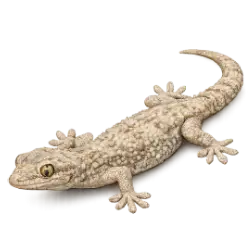
The Nighttime Climber. The Mediterranean House Gecko, Hemidactylus turcicus, is a nocturnal marvel, thriving in the shadows of human habitats. With adhesive toe pads, this little climber scales walls and ceilings with ease, hunting insects attracted to artificial lights. In ancient Mediterranean cultures, geckos were often seen as symbols of good luck, believed to ward off evil spirits. This gecko's survival strategy is all about utilizing human environments to its advantage. While other lizards might bask in the sun, the Mediterranean House Gecko waits for nightfall, turning our homes into its hunting grounds. Its unique ability to cling to vertical surfaces allows it to access food sources that others can't, making it a master of urban adaptation.
Nama ilmiah
Hemidactylus turcicus
Kategori
Reptile
Habitat
Mediterranean House Gecko habitat data is maintained in the live AnimalDex field guide.
Rarity
Relatively common · 15/100
Native range
Mediterranean House Gecko habitat data is maintained in the live AnimalDex field guide.
Nighttime Adaptation
Thrive in the night.
Embrace the quiet of night to find unique opportunities.
Apa yang diajarkannya
The Mediterranean House Gecko thrives by hunting insects at night, using its sticky toe pads to climb walls and ceilings, turning darkness into an advantage.
Coba
For us, the message is simple: people who can adjust without losing themselves stay hard to stop.
Bukti alam
This gecko is nocturnal, adept at navigating human habitats under the cover of night, using its adhesive toe pads to access food sources others can't reach.
Gunakan untuk
Tangkapan Mediterranean House Gecko berperingkat
1 tangkapan berperingkat dalam grup ini dari kolektor AnimalDex.
Mengapa Nighttime Adaptation?
Alasan di balik Prinsip Hewan ini dan biologi yang mendukungnya.
The Nighttime Climber. The Mediterranean House Gecko, Hemidactylus turcicus, is a nocturnal marvel, thriving in the shadows of human habitats. With adhesive toe pads, this little climber scales walls and ceilings with ease, hunting insects attracted to artificial lights. In ancient Mediterranean cultures, geckos were often seen as symbols of good luck, believed to ward off evil spirits. This gecko's survival strategy is all about utilizing human environments to its advantage. While other lizards might bask in the sun, the Mediterranean House Gecko waits for nightfall, turning our homes into its hunting grounds. Its unique ability to cling to vertical surfaces allows it to access food sources that others can't, making it a master of urban adaptation.
Cara mengidentifikasi Mediterranean House Gecko
- Recognized in AnimalDex as Mediterranean House Gecko
- Indexed profile #1026
Habitat: Mediterranean House Gecko habitat data is maintained in the live AnimalDex field guide.
Native range: Mediterranean House Gecko habitat data is maintained in the live AnimalDex field guide.
nativeRangeCardTitle
nativeRangeCardDescription
nativeRangeMissingAssets
Mediterranean House Gecko habitat data is maintained in the live AnimalDex field guide.
To find Mediterranean House Gecko in the wild, focus on the exact habitat patches that match its body design and daily behavior, not just the broad country where it exists. You usually do better by working one good piece of habitat inside mediterranean House Gecko habitat data is maintained in the live AnimalDex field guide. than by covering too much ground.
- Sunlit logs, exposed branches, warm rocks, or regular perch sites used for scanning
- Protected habitat blocks within mediterranean House Gecko habitat data is maintained in the live AnimalDex field guide.
- Go at dusk or after dark, move slowly, and listen before using a light or stepping into cover.
- Look for food, cover, and movement routes in the same place, because the best sightings usually happen where those overlap.
- Warm rocks, trail edges, fallen timber, and quiet water margins are usually better than heavily disturbed ground.
Mediterranean House Gecko usually eats small live prey, especially invertebrates. Movement, size, and perch access strongly shape what it can catch.
- Insects such as flies, beetles, crickets, and moths
- Spiders and other invertebrates
- Occasional larger prey for bigger species
The best feeding areas are usually places with enough cover, warmth, and insect activity.
- Embrace the quiet of night to find unique opportunities.
Mediterranean House Gecko most often symbolizes nighttime adaptation in AnimalDex because its real survival behavior repeatedly shows this pattern.
The Mediterranean House Gecko thrives by hunting insects at night, using its sticky toe pads to climb walls and ceilings, turning darkness into an advantage.
This gecko is nocturnal, adept at navigating human habitats under the cover of night, using its adhesive toe pads to access food sources others can't reach.
- Observe from a respectful distance and avoid changing the animal's behavior.
- Do not block feeding, shelter, nesting, or travel routes.
- Use a live camera capture without handling or staging wildlife.
0/1 XP toward Level 2
statsTitle
statsDescription
statsSourceLabel: statsSourceSpeciesProfile
dominanceStat
10
speedStat
20
sizeStat
5
intelligenceStat
12
rarityStat
15%
Total
62
Size scale
Tiny
Uses the canonical size stat for consistent placement



US$30 – US$62
Perkiraan rentang nilai
Kepercayaan 69%
Perkiraan nilai AnimalDex dibuat dari stat spesies kanonik.
Not a marketplace listing.
Perkiraan nilai berdasarkan hewan yang teridentifikasi dan konteks harga yang tersedia. Bukan daftar marketplace.
Seberapa langka Mediterranean House Gecko?
Rarity: Relatively common (15/100)
AnimalDex canonical rarity score: 15/100, maintained by the live indexed species profile.
Public Animal Power
Explore this Animal Power
This is a public capture, so you can explore its Animal Power here. Personal Apex matches and challenges use your Wild Profile and animals you own.
Own an animal with this power to use it in Growth challenges.
Comparison hearts ready
3 of 3 hearts remaining. Each loss removes 1 heart.
✦ Available actions
Compare this public animal when your deck meets the current rules.
⚡CompareUnavailable›Hewan terkait
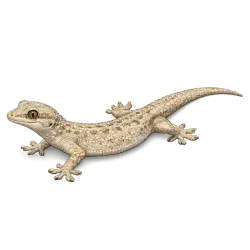
Common House Gecko
The Wall Crawler. Geckos are the acrobats of the animal kingdom, with their incredible…
Baca panduan spesies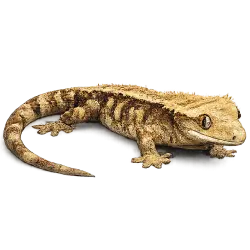
Crested Gecko
Crested Gecko teaches Sticky Patience because its real biology turns eyelash-crested…
Baca panduan spesies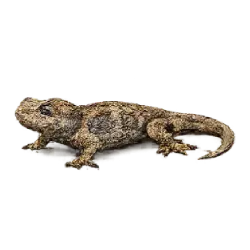
Gargoyle Gecko
Gargoyle Gecko is a reptile known for hornlike cranial bumps, prehensile tail grip, and…
Baca panduan spesiesLebih banyak hewan dengan kekuatan Adaptability
Jelajahi semua hewan Adaptability
Bawa ensiklopedia ke dunia nyata
AnimalDex membantumu memindai hewan nyata, mengidentifikasi spesies, mengoleksi kartu, dan belajar dari alam di mana pun kamu berada.