
Panduan lapangan hewan
Lizard
Identifikasi, habitat, rarity, perilaku, simbolisme, fakta, dan pelajaran praktis dari alam.
The Nighttime Clinger. The house gecko, a master of nocturnal navigation, is renowned for its sticky toe pads that allow it to cling to walls and ceilings with ease. This little reptile is often found in human homes, where it helps control insect populations by feasting on moths and mosquitoes. In some cultures, geckos are considered good luck, believed to bring prosperity and protection to households. Their unique ability to climb smooth surfaces is due to millions of tiny hair-like structures on their toes, called setae, which create a strong adhesive force. Unlike other lizards, the house gecko's strategy is to use its sticky grip to ambush prey from above, turning ceilings into hunting grounds.
Nama ilmiah
Lacertilia
Kategori
Reptile
Habitat
desert, forest, scrub, grassland, rock face, and urban wall
Rarity
Relatively common · 5/100
Native range
Worldwide except Antarctica
Adaptability
Adjust early. Stay effective.
Apa yang diajarkannya
In Lizard, adaptability creates a repeatable survival edge when conditions are uncertain.
Bukti alam
Lizard is a reptile known for scaled four-limbed body, heat-driven activity rhythm, and quick stop-start movement. desert, forest, scrub, grassland, rock face, and urban wall Lizard remains fairly widespread where desert, forest, scrub, grassland, rock face, and urban wall is still available.
Gunakan untuk
Tangkapan Lizard berperingkat
8 tangkapan berperingkat dalam grup ini dari kolektor AnimalDex.
Lenny
@lendawgZoo · Play Sanctuary Daycare · Near Sudirman Central Business District, South Jakarta, Indonesia
Skor 0
Lenny
@lendawgZoo · Puffy Cotton Candy Jakarta Aquarium · Near SoHo Podomoro City, West Jakarta, Indonesia
Skor 0
Lenny
@lendawgZoo · Play Sanctuary Daycare · Near Sudirman Central Business District, South Jakarta, Indonesia
Skor 0
Garrett8522
@dannimal2285Wild · Reedy Creek Nature Preserve · University City, Charlotte, Mecklenburg County, NC, United States
Skor 0
GottaSnapEmAll
@animalcollectorDomestic · Skin & Body Sanctuary by Renata · Downtown, Fords, Middlesex County, NJ, United States
Skor 0
Lenny
@lendawgDomestic · Play Sanctuary Daycare · Near Sudirman Central Business District, South Jakarta, Indonesia
Skor 0
Mengapa Adaptability?
Alasan di balik Prinsip Hewan ini dan biologi yang mendukungnya.
Lizard is a reptile known for scaled four-limbed body, heat-driven activity rhythm, and quick stop-start movement.
Cara mengidentifikasi Lizard
- scaled four-limbed body
- heat-driven activity rhythm
- quick stop-start movement
- Often associated with desert, forest, scrub, grassland, rock face, and urban wall
Kenapa Lizard menarik
- Lizard is a useful example of how anatomy and habitat fit together as one survival system.
- Its shape, movement style, and food strategy make it easy to compare with related animals.
- This species turns one page into a lesson about adaptation, ecosystem role, and identification.
Habitat: desert, forest, scrub, grassland, rock face, and urban wall
Native range: Worldwide except Antarctica
nativeRangeCardTitle
nativeRangeCardDescription
desert, forest, scrub, grassland, rock face, and urban wall
To find Lizard in the wild, focus on the exact habitat patches that match its body design and daily behavior, not just the broad country where it exists. You usually do better by working one good piece of habitat inside worldwide except Antarctica than by covering too much ground.
- Forest edge, canopy gaps, fruiting trees, or shaded trails where cover and food meet
- Open grassland edges, lightly wooded plains, or raised ground where you can scan long distances
- Water sources, dune bases, rocky wadis, or shaded scrub at first and last light
- Start early, pick one strong patch of habitat, and stay long enough for movement to return after you arrive.
- Work edges, clearings, fruiting trees, and stream crossings rather than walking randomly through dense cover.
- Warm rocks, trail edges, fallen timber, and quiet water margins are usually better than heavily disturbed ground.
Lizard usually eats small live prey, especially invertebrates. Movement, size, and perch access strongly shape what it can catch.
- Insects such as flies, beetles, crickets, and moths
- Spiders and other invertebrates
- Occasional larger prey for bigger species
The best feeding areas are usually places with enough cover, warmth, and insect activity.
- Lizard adjusts movement and feeding to match light, temperature, and food access in its habitat.
- Body design, timing, and shelter choices all help this species stay effective in the wild.
- Patient observation usually reveals more behavior than close approach or fast movement.
Lizard most often symbolizes adaptability in AnimalDex because its real survival behavior repeatedly shows this pattern.
In Lizard, adaptability creates a repeatable survival edge when conditions are uncertain.
Lizard is a reptile known for scaled four-limbed body, heat-driven activity rhythm, and quick stop-start movement. desert, forest, scrub, grassland, rock face, and urban wall Lizard remains fairly widespread where desert, forest, scrub, grassland, rock face, and urban wall is still available.
- Keep distance and let the animal choose the space.
- Avoid blocking movement routes, nesting areas, or feeding behavior.
- Use optics, patience, and quiet observation instead of crowding for a closer view.
- Regional relatives may look similar at a distance.
- Juveniles, adults, and seasonal forms can differ in color or size.
- Light, angle, and habitat context can change how field marks appear.
0/1 XP toward Level 2
statsTitle
statsDescription
statsSourceLabel: statsSourceSpeciesProfile
dominanceStat
15
speedStat
20
sizeStat
10
intelligenceStat
12
rarityStat
5%
Total
62
Size scale
Tiny
Uses the canonical size stat for consistent placement


US$31 – US$65
Perkiraan rentang nilai
Kepercayaan 60%
Perkiraan nilai AnimalDex dibuat dari stat spesies kanonik.
Not a marketplace listing.
Perkiraan nilai berdasarkan hewan yang teridentifikasi dan konteks harga yang tersedia. Bukan daftar marketplace.
Seberapa langka Lizard?
Rarity: Relatively common (5/100)
Lizard remains fairly widespread where desert, forest, scrub, grassland, rock face, and urban wall is still available.
Public Animal Power
Explore this Animal Power
This is a public capture, so you can explore its Animal Power here. Personal Apex matches and challenges use your Wild Profile and animals you own.
Own an animal with this power to use it in Growth challenges.
Comparison hearts ready
3 of 3 hearts remaining. Each loss removes 1 heart.
✦ Available actions
Compare this public animal when your deck meets the current rules.
⚡CompareUnavailable›Hewan terkait
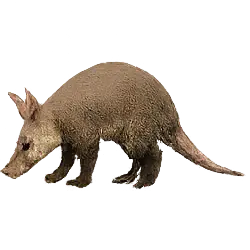
Aardvark
The aardvark is a nocturnal African mammal known for its long snout, strong digging…
Baca panduan spesies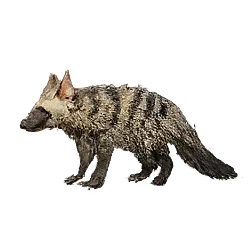
Aardwolf
The aardwolf is a small striped relative of hyenas that feeds mainly on termites rather…
Baca panduan spesies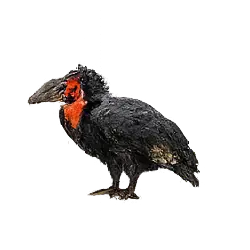
Abyssinian Ground Hornbill
Abyssinian Ground Hornbill is a bird known for bare red facial skin, huge…
Baca panduan spesiesLebih banyak hewan dengan kekuatan Resilience
Jelajahi semua hewan ResilienceBawa ensiklopedia ke dunia nyata
AnimalDex membantumu memindai hewan nyata, mengidentifikasi spesies, mengoleksi kartu, dan belajar dari alam di mana pun kamu berada.