
Panduan lapangan hewan
Northern Walkingstick
Identifikasi, habitat, rarity, perilaku, simbolisme, fakta, dan pelajaran praktis dari alam.
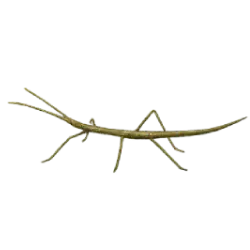
Northern Walkingstick teaches Camouflage through a body that turns survival into punctuation. Long twig-like limbs, narrow shape, stillness, brown-green coloring, and slow rocking motion show protection as becoming unreadable to the eye that hunts.
Kartu AnimalDex
Buka kartu hewan ini
Pindai atau tangkap hewan ini dengan AnimalDex untuk membuka kartu koleksi dan menambahkannya ke koleksi satwa liarmu.
Dapatkan AnimalDexNama ilmiah
Diapheromera femorata
Kategori
Animal
Habitat
Deciduous forests, oak woods, shrubs, woodland edges, and leafy branches fit walkingsticks because their body only makes sense among stems. The habitat is not background; it is the disguise.
Rarity
Relatively common · 37/100
Native range
Deciduous forests, oak woods, shrubs, woodland edges, and leafy branches fit walkingsticks because their body only makes sense among stems. The habitat is not background; it is the disguise.
Camouflage
Become the branch.
Twig-Mimic Stillness
Apa yang diajarkannya
Sometimes protection comes from becoming unreadable to what hunts you.
Coba
You observe a new team quietly for a week before deciding who to trust and how to contribute.
Bukti alam
Northern Walkingsticks resemble twigs through their long narrow bodies, coloration, stillness, and slow rocking movement, helping them avoid detection by predators.
Gunakan untuk
Tangkapan Northern Walkingstick berperingkat
Belum ada tangkapan komunitas berperingkat untuk spesies ini.
Mengapa Camouflage?
Alasan di balik Prinsip Hewan ini dan biologi yang mendukungnya.
Northern Walkingstick teaches Camouflage through a body that turns survival into punctuation. Long twig-like limbs, narrow shape, stillness, brown-green coloring, and slow rocking motion show protection as becoming unreadable to the eye that hunts.
Cara mengidentifikasi Northern Walkingstick
- Twig Mimicry: body shape and color make the insect resemble a small branch.
- Stillness Defense: not moving can be more protective than fleeing.
- Rocking Motion: gentle swaying can echo plant movement in wind.
Kenapa Northern Walkingstick menarik
- Northern Walkingsticks feed mainly on leaves of trees and shrubs.
- They rely heavily on camouflage rather than speed or armor.
- Females can drop eggs to the ground, where the young hatch later.
Habitat: Deciduous forests, oak woods, shrubs, woodland edges, and leafy branches fit walkingsticks because their body only makes sense among stems. The habitat is not background; it is the disguise.
Native range: Deciduous forests, oak woods, shrubs, woodland edges, and leafy branches fit walkingsticks because their body only makes sense among stems. The habitat is not background; it is the disguise.
To find Northern Walkingstick in the wild, focus on the exact habitat patches that match its body design and daily behavior, not just the broad country where it exists. You usually do better by working one good piece of habitat inside deciduous forests, oak woods, shrubs, woodland edges, and leafy branches fit walkingsticks because their body only makes sense among stems. The habitat is not background; it is the disguise. than by covering too much ground.
- Forest edge, canopy gaps, fruiting trees, or shaded trails where cover and food meet
- Sunlit logs, exposed branches, warm rocks, or regular perch sites used for scanning
- Protected habitat blocks within deciduous forests, oak woods, shrubs, woodland edges, and leafy branches fit walkingsticks because their body only makes sense among stems. The habitat is not background; it is the disguise.
- Start early, pick one strong patch of habitat, and stay long enough for movement to return after you arrive.
- Work edges, clearings, fruiting trees, and stream crossings rather than walking randomly through dense cover.
- Move quietly, stop often, and give the habitat time to settle; many mammals and insects show themselves only after the first pause.
Leaves from oaks and other broadleaf plants support Camouflage because the food source is also the hiding place. Eating and disappearing happen in the same vertical world.
Birds, spiders, mantises, rodents, and predatory insects pressure walkingsticks. Their answer is to reduce meaning: become line, twig, shadow, and motionless branch.
Northern Walkingsticks are often active at night, feeding when visual predators are less dominant. Daytime stillness supports the lesson by making rest part of the disguise.
Many walkingsticks live only months as adults, depending on climate and species cycle. The short life supports Camouflage as a seasonal strategy: hatch, blend, feed, reproduce, vanish.
Females lay eggs that drop into leaf litter and overwinter before hatching. Reproduction supports the lesson because the next generation begins hidden below the same trees that will later disguise it.
Females are usually larger, and males are slimmer and more mobile. The difference fits the lesson: one body emphasizes egg production and stillness, the other light movement through the branches.
- Twig Mimicry: body shape and color make the insect resemble a small branch.
- Stillness Defense: not moving can be more protective than fleeing.
- Rocking Motion: gentle swaying can echo plant movement in wind.
Northern Walkingstick most often symbolizes camouflage in AnimalDex because its real survival behavior repeatedly shows this pattern.
Sometimes protection comes from becoming unreadable to what hunts you.
Northern Walkingsticks resemble twigs through their long narrow bodies, coloration, stillness, and slow rocking movement, helping them avoid detection by predators.
- Observe from a respectful distance and avoid changing the animal's behavior.
- Do not block feeding, shelter, nesting, or travel routes.
- Use a live camera capture without handling or staging wildlife.
statsTitle
statsDescription
statsSourceLabel: statsSourceSpeciesProfile
dominanceStat
27
speedStat
25
sizeStat
14
intelligenceStat
30
rarityStat
37%
Total
133
Size scale
Small
Uses the canonical size stat for consistent placement

US$83 – US$173
Perkiraan rentang nilai
Kepercayaan 69%
Perkiraan nilai AnimalDex dibuat dari stat spesies kanonik.
Not a marketplace listing.
Perkiraan nilai berdasarkan hewan yang teridentifikasi dan konteks harga yang tersedia. Bukan daftar marketplace.
Seberapa langka Northern Walkingstick?
Rarity: Relatively common (37/100)
AnimalDex canonical rarity score: 37/100, maintained by the live indexed species profile.
Public Animal Power
Explore this Animal Power
This is a public capture, so you can explore its Animal Power here. Personal Apex matches and challenges use your Wild Profile and animals you own.
Own an animal with this power to use it in Growth challenges.
Hewan terkait

Lebih banyak hewan dengan kekuatan Blending In
Jelajahi semua hewan Blending In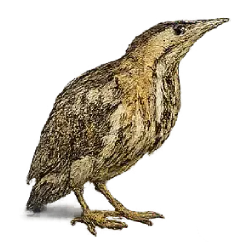
Eurasian Bittern
Eurasian Bittern is a bird known for reed-striped camouflage body, upward freezing…
Baca panduan spesies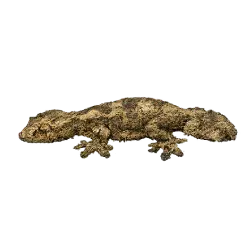
Giant Leaf-tailed Gecko
Giant Leaf-tailed Gecko is a reptile known for bark-textured flattened body, fringed…
Baca panduan spesies
Giant Stick Katydid
Stick Katydid explains Twigwalk through a body and routine shaped for its exact…
Baca panduan spesiesBawa ensiklopedia ke dunia nyata
AnimalDex membantumu memindai hewan nyata, mengidentifikasi spesies, mengoleksi kartu, dan belajar dari alam di mana pun kamu berada.