
Panduan lapangan hewan
Pantry Moth
Identifikasi, habitat, rarity, perilaku, simbolisme, fakta, dan pelajaran praktis dari alam.
cupboard silk weaver. Pantry moths hitch a ride in dry goods — tiny pyralids that web flour, grain, and nuts into soft silk galleries.
Nama ilmiah
Pyralidae
Kategori
Invertebrate
Habitat
Kitchens, pantries, warehouses, and any dry-food storage worldwide.
Rarity
Relatively common · 10/100
Native range
Kitchens, pantries, warehouses, and any dry-food storage worldwide.
Quiet Infestation
Seal the small gaps.
Small neglect compounds.
Apa yang diajarkannya
Tiny overlooked openings become large problems when left unchecked.
Coba
Its lesson for us is clear: the right allies can multiply what one person can do alone.
Bukti alam
Stored-product moths exploit sealed-looking dry goods; a few eggs in flour or grain can seed a whole cupboard colony through silk webbing and repeated generations.
Gunakan untuk
Tangkapan Pantry Moth berperingkat
1 tangkapan berperingkat dalam grup ini dari kolektor AnimalDex.
Mengapa Quiet Infestation?
Alasan di balik Prinsip Hewan ini dan biologi yang mendukungnya.
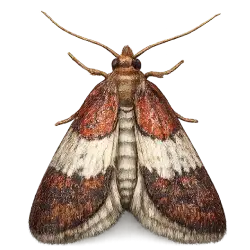
Pantry moths are small stored-product pyralids that infest dry goods. Adults are weak fliers often seen near kitchens; larvae spin silk through flour, grain, nuts, and pet food.
Cara mengidentifikasi Pantry Moth
- Small gray-brown to two-tone forewings
- Silk webbing in dry goods
- Weak fluttering flight near kitchens
- Larvae in flour, grain, nuts, and pet food
Kenapa Pantry Moth menarik
- Indianmeal moths often show a pale basal wing and bronze tip — a classic pantry ID clue.
- Infestations usually start from eggs already in packaged food, not from outdoor moths flying in.
- Freezing or airtight resealing of dry goods breaks the life cycle more reliably than swatting adults.
Habitat: Kitchens, pantries, warehouses, and any dry-food storage worldwide.
Native range: Kitchens, pantries, warehouses, and any dry-food storage worldwide.
To find Pantry Moth in the wild, focus on the exact habitat patches that match its body design and daily behavior, not just the broad country where it exists. You usually do better by working one good piece of habitat inside kitchens, pantries, warehouses, and any dry-food storage worldwide. than by covering too much ground.
- Kitchens, pantries, warehouses
- Protected habitat blocks within kitchens, pantries, warehouses, and any dry-food storage worldwide.
- Start early, pick one strong patch of habitat, and stay long enough for movement to return after you arrive.
- Look for food, cover, and movement routes in the same place, because the best sightings usually happen where those overlap.
- Move quietly, stop often, and give the habitat time to settle; many mammals and insects show themselves only after the first pause.
Dried plant products: flour, cereal, grain, nuts, dried fruit, spices, and pet food, depending on species.
Spiders, predatory insects, and birds may take adults; sanitation and sealed storage are the main controls for people.
Adults often active at dusk/night and rest on walls or ceilings by day.
Several weeks to a few months per generation in warm indoor conditions; overlapping generations are common.
Females lay eggs on or near dry food; larvae do the damage inside packages.
Sexes are similar in many pantry pyralids; species traits matter more than sex for field ID.
- Small gray-brown to two-tone forewings
- Silk webbing in dry goods
- Weak fluttering flight near kitchens
- Larvae in flour, grain, nuts, and pet food
Pantry Moth most often symbolizes quiet infestation in AnimalDex because its real survival behavior repeatedly shows this pattern.
Tiny overlooked openings become large problems when left unchecked.
Stored-product moths exploit sealed-looking dry goods; a few eggs in flour or grain can seed a whole cupboard colony through silk webbing and repeated generations.
- Observe from a respectful distance and avoid changing the animal's behavior.
- Do not block feeding, shelter, nesting, or travel routes.
- Use a live camera capture without handling or staging wildlife.
0/1 XP toward Level 2
statsTitle
statsDescription
statsSourceLabel: statsSourceSpeciesProfile
dominanceStat
2
speedStat
14
sizeStat
1
intelligenceStat
6
rarityStat
10%
Total
33
Size scale
Microscopic edge
Uses the canonical size stat for consistent placement




US$13 – US$27
Perkiraan rentang nilai
Kepercayaan 69%
Perkiraan nilai AnimalDex dibuat dari stat spesies kanonik.
Not a marketplace listing.
Perkiraan nilai berdasarkan hewan yang teridentifikasi dan konteks harga yang tersedia. Bukan daftar marketplace.
Seberapa langka Pantry Moth?
Rarity: Relatively common (10/100)
AnimalDex canonical rarity score: 10/100, maintained by the live indexed species profile.
Public Animal Power
Explore this Animal Power
This is a public capture, so you can explore its Animal Power here. Personal Apex matches and challenges use your Wild Profile and animals you own.
Own an animal with this power to use it in Growth challenges.
Comparison hearts ready
3 of 3 hearts remaining. Each loss removes 1 heart.
✦ Available actions
Compare this public animal when your deck meets the current rules.
⚡CompareUnavailable›Hewan terkait
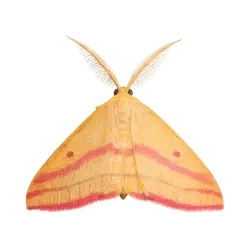
Chickweed Geometer Moth
Chickweed Geometer Moth is an indexed AnimalDex species with a field profile connected…
Baca panduan spesies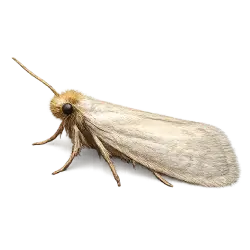
Clothes & House Moth
Clothes and house moths are tiny household moths associated with fabrics, carpets, and…
Baca panduan spesies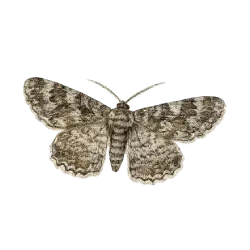
Common Carpet Moth
Common Carpet Moth is an indexed AnimalDex species with a field profile connected to…
Baca panduan spesiesLebih banyak hewan dengan kekuatan Vigilance
Jelajahi semua hewan Vigilance
Bawa ensiklopedia ke dunia nyata
AnimalDex membantumu memindai hewan nyata, mengidentifikasi spesies, mengoleksi kartu, dan belajar dari alam di mana pun kamu berada.