
Panduan lapangan hewan
Pearl Oysters
Identifikasi, habitat, rarity, perilaku, simbolisme, fakta, dan pelajaran praktis dari alam.
nacre-winged jewel. Pearl oysters are winged pteriids that coat grit in nacre — black-lip, white-lip, and Akoya cousins of the pearl trade.

Kartu AnimalDex
Buka kartu hewan ini
Pindai atau tangkap hewan ini dengan AnimalDex untuk membuka kartu koleksi dan menambahkannya ke koleksi satwa liarmu.
Dapatkan AnimalDexNama ilmiah
Pteriidae
Kategori
Animal
Habitat
Warm clear seas, lagoons, and pearl farms across the Indo-Pacific and related tropical waters.
Rarity
Uncommon · 58/100
Native range
Warm clear seas, lagoons, and pearl farms across the Indo-Pacific and related tropical waters.
Layered Value
Coat the grit.
Irritation can become armor.
Apa yang diajarkannya
What you coat carefully becomes durable beauty.
Coba
In human life, that means good boundaries can prevent problems before they become fights.
Bukti alam
Pearl oysters secrete nacre around irritants, building layered pearls while their winged shells hold fast in tropical currents.
Gunakan untuk
Tangkapan Pearl Oysters berperingkat
Belum ada tangkapan komunitas berperingkat untuk spesies ini.
Mengapa Layered Value?
Alasan di balik Prinsip Hewan ini dan biologi yang mendukungnya.
Pearl oysters (Pteriidae) are winged marine bivalves farmed and wild-collected for pearls and mother-of-pearl. They are not true oysters (Ostreidae).
Cara mengidentifikasi Pearl Oysters
- Winged / oblique shell outline
- Strong nacreous interior
- Tropical and subtropical marine habitats
- Pearl and mother-of-pearl association
Kenapa Pearl Oysters menarik
- Black-lip pearl oysters (Pinctada margaritifera) produce Tahitian pearls.
- White-lip / gold-lip (Pinctada maxima) yield large South Sea pearls.
- Akoya pearl oysters are the classic source of smaller cultured pearls.
Habitat: Warm clear seas, lagoons, and pearl farms across the Indo-Pacific and related tropical waters.
Native range: Warm clear seas, lagoons, and pearl farms across the Indo-Pacific and related tropical waters.
To find Pearl Oysters in the wild, focus on the exact habitat patches that match its body design and daily behavior, not just the broad country where it exists. You usually do better by working one good piece of habitat inside warm clear seas, lagoons, and pearl farms across the Indo-Pacific and related tropical waters. than by covering too much ground.
- Quiet marsh edges, reedbeds, river bends, or shallow wetland margins
- Headlands, reef edges, island colonies, tidal channels, or productive coastal water
- Protected habitat blocks within warm clear seas, lagoons, and pearl farms across the Indo-Pacific and related tropical waters.
- Start early, pick one strong patch of habitat, and stay long enough for movement to return after you arrive.
- Watch the transition line between open water and cover, because feeding and movement often happen on that edge.
- Move quietly, stop often, and give the habitat time to settle; many mammals and insects show themselves only after the first pause.
Filtered plankton and suspended organics.
Fish, rays, snails, and people (pearl culture and shell harvest).
Attached or byssally held adults filter in place.
Multiple years in culture and wild populations.
Broadcast spawners with planktonic larvae before settlement.
Sex may change with age in some pteriids; shell winging and nacre are better ID cues.
- Winged / oblique shell outline
- Strong nacreous interior
- Tropical and subtropical marine habitats
- Pearl and mother-of-pearl association
Pearl Oysters most often symbolizes layered value in AnimalDex because its real survival behavior repeatedly shows this pattern.
What you coat carefully becomes durable beauty.
Pearl oysters secrete nacre around irritants, building layered pearls while their winged shells hold fast in tropical currents.
- Observe from a respectful distance and avoid changing the animal's behavior.
- Do not block feeding, shelter, nesting, or travel routes.
- Use a live camera capture without handling or staging wildlife.
statsTitle
statsDescription
statsSourceLabel: statsSourceSpeciesProfile
dominanceStat
10
speedStat
1
sizeStat
14
intelligenceStat
3
rarityStat
58%
Total
86
Size scale
Small
Uses the canonical size stat for consistent placement




US$72 – US$149
Perkiraan rentang nilai
Kepercayaan 69%
Perkiraan nilai AnimalDex dibuat dari stat spesies kanonik.
Not a marketplace listing.
Perkiraan nilai berdasarkan hewan yang teridentifikasi dan konteks harga yang tersedia. Bukan daftar marketplace.
Seberapa langka Pearl Oysters?
Rarity: Uncommon (58/100)
AnimalDex canonical rarity score: 58/100, maintained by the live indexed species profile.
Public Animal Power
Explore this Animal Power
This is a public capture, so you can explore its Animal Power here. Personal Apex matches and challenges use your Wild Profile and animals you own.
Own an animal with this power to use it in Growth challenges.
Hewan terkait

Lebih banyak hewan dengan kekuatan Craft
Jelajahi semua hewan Craft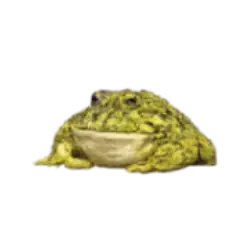
Argentine Horned Frog
Argentine Horned Frog is a amphibian known for enormous mouth, horned brows, and…
Baca panduan spesies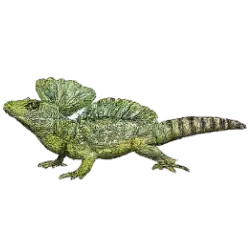
Basilisk Lizard
The basilisk lizard is a tropical reptile known for crests, long toes, and its ability…
Baca panduan spesies
Baya Weaver
Baya Weaver teaches Careful Craft because its real biology turns hanging-nest weaver…
Baca panduan spesiesBawa ensiklopedia ke dunia nyata
AnimalDex membantumu memindai hewan nyata, mengidentifikasi spesies, mengoleksi kartu, dan belajar dari alam di mana pun kamu berada.