
Panduan lapangan hewan
Bicoloured Ant
Identifikasi, habitat, rarity, perilaku, simbolisme, fakta, dan pelajaran praktis dari alam.
Panduan lapangan hewan
Bicoloured Ant
Field Focus
Look closer.
Specific field marks reveal identity and behavior when you look closely.
You’re #1 of 1
Native range
Location unknown
AnimalDex does not have a mapped native range region for this profile yet.
0/1 XP toward Level 2
AnimalDex stats
Dominance
22
Speed
42
Size
8
Intelligence
18
Rarity
38%
Total
128
Size scale
✦ Available actions
Compare this public animal when your deck meets the current rules.
Nama ilmiah
Formicidae
Kategori
Invertebrate
Habitat
Kitchens, bathrooms, wall voids, potted plants, patios, and warm cracks fit because Field Focus needs small domestic routes where colonies reveal themselves by movement.
Rarity
Relatively common · 38/100
Native range
Kitchens, bathrooms, wall voids, potted plants, patios, and warm cracks fit because Field Focus needs small domestic routes where colonies reveal themselves by movement.
Mengapa Field Focus?
Alasan di balik Prinsip Hewan ini dan biologi yang mendukungnya.
Small bicolored house ant turns Field Focus into indoor trail reading, where color, size, food choice, and entry points reveal a hidden colony system.
Cara mengidentifikasi Bicoloured Ant
- Bicolored bodies help separate it from plain dark house ants
- Tiny workers form trails through cracks, counters, and wall edges
- Sweet foods, grease, and crumbs can reveal foraging routes
- Nest location is often inferred from movement rather than sight
Kenapa Bicoloured Ant menarik
- Small house ants often follow invisible chemical trails to food
- Workers can exploit tiny cracks that larger insects cannot use
- Color pattern, trail behavior, and food preference help field identification
Habitat: Kitchens, bathrooms, wall voids, potted plants, patios, and warm cracks fit because Field Focus needs small domestic routes where colonies reveal themselves by movement.
Native range: Kitchens, bathrooms, wall voids, potted plants, patios, and warm cracks fit because Field Focus needs small domestic routes where colonies reveal themselves by movement.
To find Bicoloured Ant in the wild, focus on the exact habitat patches that match its body design and daily behavior, not just the broad country where it exists. You usually do better by working one good piece of habitat inside kitchens, bathrooms, wall voids, potted plants, patios, and warm cracks fit because Field Focus needs small domestic routes where colonies reveal themselves by movement. than by covering too much ground.
- Kitchens, bathrooms, wall voids
- Protected habitat blocks within kitchens, bathrooms, wall voids, potted plants, patios, and warm cracks fit because Field Focus needs small domestic routes where colonies reveal themselves by movement.
- Start early, pick one strong patch of habitat, and stay long enough for movement to return after you arrive.
- Look for food, cover, and movement routes in the same place, because the best sightings usually happen where those overlap.
- Slow down and scan shapes, outlines, and eye-level silhouettes; many good sightings come from noticing what does not move.
Sweet liquids, crumbs, grease, dead insects, and household scraps support the principle because tiny ants turn overlooked leftovers into mapped resources.
Spiders, competing ants, cleaning, baits, drought, and flooding threaten colonies. Small size and hidden trails help them shift routes quickly.
They may forage day or night depending on warmth, moisture, and food availability. The rhythm follows household conditions more than a wild clock.
Workers may live weeks to months, while queens and colonies can last longer when nesting sites remain warm, hidden, and connected to food.
Queens lay eggs in protected nest spaces, and workers move larvae or food as conditions change. Offspring stay hidden until the colony route expands.
Queens, males, and workers differ strongly in form and role; most visible ants are sterile female workers following trail information.
- Bicolored bodies help separate it from plain dark house ants
- Tiny workers form trails through cracks, counters, and wall edges
- Sweet foods, grease, and crumbs can reveal foraging routes
- Nest location is often inferred from movement rather than sight
Bicoloured Ant most often symbolizes field focus in AnimalDex because its real survival behavior repeatedly shows this pattern.
Specific field marks reveal identity and behavior when you look closely.
Small bicolored house ant rewards careful observation in the field.
- Observe from a respectful distance and avoid changing the animal's behavior.
- Do not block feeding, shelter, nesting, or travel routes.
- Use a live camera capture without handling or staging wildlife.
Hewan terkait
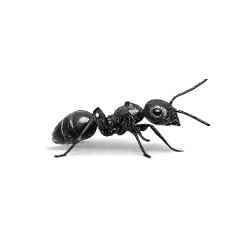
Black Ant
The Tireless Team Builders. The Tireless Team Builders. Shared effort can turn many…
Baca panduan spesies
Brown Ant
Small brown ground ant turns Field Focus into low, patient watching, where brown…
Baca panduan spesies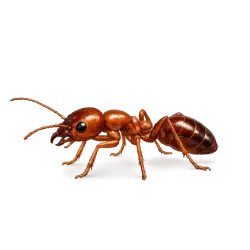
Red Ant
The Tireless Builders. The Tireless Builders. Shared effort can create structures far…
Baca panduan spesiesLebih banyak hewan dengan kekuatan Observation
Jelajahi semua hewan Observation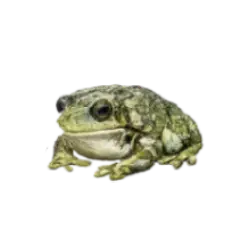
Amazon Milk Frog
Amazon Milk Frog is a amphibian known for big silver-rimmed eyes, banded brown-and-blue…
Baca panduan spesies
American Toad
American Toad carries Warty through specific body design and repeated survival…
Baca panduan spesies
Barred Eagle-Owl
Barred Eagle-Owl teaches Barred Eagle Owl · Canopy Vigilance through its real biology:…
Baca panduan spesiesBawa ensiklopedia ke dunia nyata
AnimalDex membantumu memindai hewan nyata, mengidentifikasi spesies, mengoleksi kartu, dan belajar dari alam di mana pun kamu berada.