
Panduan lapangan hewan
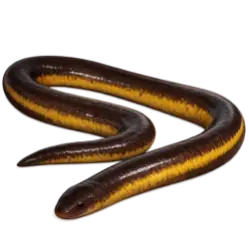
Yellow-banded Caecilian
Identifikasi, habitat, rarity, perilaku, simbolisme, fakta, dan pelajaran praktis dari alam.
Yellow-banded Caecilian teaches Underground Navigation through its real biology: Yellow-banded Caecilians are limbless amphibians adapted for burrowing in moist soil, using elongated bodies and sensory tentacles to navigate underground environments. In AnimalDex, the lesson is tied to the animal itself — its body, habitat, movement, feeding, danger, and timing — so the principle feels earned instead of generic.
Kartu AnimalDex
Buka kartu hewan ini
Pindai atau tangkap hewan ini dengan AnimalDex untuk membuka kartu koleksi dan menambahkannya ke koleksi satwa liarmu.
Dapatkan AnimalDexNama ilmiah
Ichthyophis glutinosus
Kategori
Amphibian
Habitat
Yellow-banded Caecilian usually lives in moist soil, leaf litter, stream edges, and wet tropical ground. This setting is part of the why: Underground Navigation only makes sense where the ground, water, cover, weather, or distance rewards exactly this body plan.
Rarity
Rare · 73/100
Native range
Yellow-banded Caecilian usually lives in moist soil, leaf litter, stream edges, and wet tropical ground. This setting is part of the why: Underground Navigation only makes sense where the ground, water, cover, weather, or distance rewards exactly this body plan.
Underground Navigation
Read the soil.
Soil-Swimming Sensory Search
Apa yang diajarkannya
Hidden direction belongs to the body that knows how to read the dark soil.
Coba
A dark hallway feels less scary when feet follow the wall.
Bukti alam
Yellow-banded Caecilians are limbless amphibians adapted for burrowing in moist soil, using elongated bodies and sensory tentacles to navigate underground environments.
Gunakan untuk
Tangkapan Yellow-banded Caecilian berperingkat
Belum ada tangkapan komunitas berperingkat untuk spesies ini.
Mengapa Underground Navigation?
Alasan di balik Prinsip Hewan ini dan biologi yang mendukungnya.
Yellow-banded Caecilian teaches Underground Navigation through its real biology: Yellow-banded Caecilians are limbless amphibians adapted for burrowing in moist soil, using elongated bodies and sensory tentacles to navigate underground environments. In AnimalDex, the lesson is tied to the animal itself — its body, habitat, movement, feeding, danger, and timing — so the principle feels earned instead of generic.
Cara mengidentifikasi Yellow-banded Caecilian
- Limbless amphibian body built for pushing through wet soil
- Sensory tentacles that help read hidden chemical and tactile clues
- Yellow side stripes on a secretive burrowing body
- Dependence on moisture that makes dryness a major boundary
Kenapa Yellow-banded Caecilian menarik
- Caecilians are amphibians, not snakes or worms.
- Their tiny sensory tentacles are unusual among vertebrates.
- Many people never see them because they live underground.
- For them, direction is felt through soil more than seen through light.
Habitat: Yellow-banded Caecilian usually lives in moist soil, leaf litter, stream edges, and wet tropical ground. This setting is part of the why: Underground Navigation only makes sense where the ground, water, cover, weather, or distance rewards exactly this body plan.
Native range: Yellow-banded Caecilian usually lives in moist soil, leaf litter, stream edges, and wet tropical ground. This setting is part of the why: Underground Navigation only makes sense where the ground, water, cover, weather, or distance rewards exactly this body plan.
To find Yellow-banded Caecilian in the wild, focus on the exact habitat patches that match its body design and daily behavior, not just the broad country where it exists. You usually do better by working one good piece of habitat inside yellow-banded Caecilian usually lives in moist soil, leaf litter, stream edges, and wet tropical ground. This setting is part of the why: Underground Navigation only makes sense where the ground, water, cover, weather, or distance rewards exactly this body plan. than by covering too much ground.
- Burrow systems, sandy banks, fallen logs, or ground with clear den entrances
- Sunlit logs, exposed branches, warm rocks, or regular perch sites used for scanning
- Protected habitat blocks within yellow-banded Caecilian usually lives in moist soil, leaf litter, stream edges, and wet tropical ground. This setting is part of the why: Underground Navigation only makes sense where the ground, water, cover, weather, or distance rewards exactly this body plan.
- Start early, pick one strong patch of habitat, and stay long enough for movement to return after you arrive.
- Look for food, cover, and movement routes in the same place, because the best sightings usually happen where those overlap.
- Warm rocks, trail edges, fallen timber, and quiet water margins are usually better than heavily disturbed ground.
Yellow-banded Caecilian feeds on earthworms, small invertebrates, and prey found underground. The diet supports Underground Navigation because the animal is not just eating available food; it is using the food source that makes its principle practical in its own world.
Predators and threats include snakes, birds, mammals, and drying conditions. These pressures reveal why Underground Navigation matters: the lesson becomes real when danger forces the animal to use its best-shaped tools.
Hidden underground or in wet cover, emerging more in damp periods when the soil becomes readable and safe.
Poorly known but likely several years; Underground Navigation is a long trust in touch, moisture, and dark direction.
Females guard egg strings in moist soil until young develop toward water or wet ground, making motherhood a close defense of hidden life.
Sexes look very similar, keeping focus on the shared underground body rather than display.
- Limbless amphibian body built for pushing through wet soil
- Sensory tentacles that help read hidden chemical and tactile clues
- Yellow side stripes on a secretive burrowing body
- Dependence on moisture that makes dryness a major boundary
Yellow-banded Caecilian most often symbolizes underground navigation in AnimalDex because its real survival behavior repeatedly shows this pattern.
Hidden direction belongs to the body that knows how to read the dark soil.
Yellow-banded Caecilians are limbless amphibians adapted for burrowing in moist soil, using elongated bodies and sensory tentacles to navigate underground environments.
- Observe from a respectful distance and avoid changing the animal's behavior.
- Do not block feeding, shelter, nesting, or travel routes.
- Use a live camera capture without handling or staging wildlife.
statsTitle
statsDescription
statsSourceLabel: statsSourceSpeciesProfile
dominanceStat
36
speedStat
38
sizeStat
23
intelligenceStat
37
rarityStat
73%
Total
207
Size scale
Medium
Uses the canonical size stat for consistent placement


US$166 – US$344
Perkiraan rentang nilai
Kepercayaan 69%
Perkiraan nilai AnimalDex dibuat dari stat spesies kanonik.
Not a marketplace listing.
Perkiraan nilai berdasarkan hewan yang teridentifikasi dan konteks harga yang tersedia. Bukan daftar marketplace.
Seberapa langka Yellow-banded Caecilian?
Rarity: Rare (73/100)
AnimalDex canonical rarity score: 73/100, maintained by the live indexed species profile.
Public Animal Power
Explore this Animal Power
This is a public capture, so you can explore its Animal Power here. Personal Apex matches and challenges use your Wild Profile and animals you own.
Own an animal with this power to use it in Growth challenges.
Hewan terkait

Yellow-banded Caecilian
Yellow-banded Caecilian is a amphibian known for limbless burrowing body, annulated…
Baca panduan spesies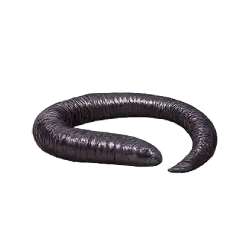
Cayenne Caecilian
Cayenne Caecilian is a amphibian known for legless eel-like body, mostly hidden aquatic…
Baca panduan spesies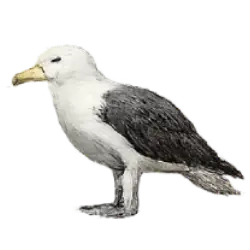
Atlantic Yellow-nosed Albatross
Atlantic Yellow-nosed Albatross is a bird known for long gliding ocean wings, yellow…
Baca panduan spesiesLebih banyak hewan dengan kekuatan Alternative Paths
Jelajahi semua hewan Alternative Paths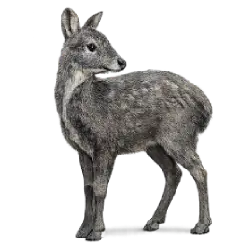
Alpine Musk Deer
Alpine Musk Deer teaches Antlerless Alternative through a deer body that solves display…
Baca panduan spesies
Common Backswimmer
Backswimmers are aquatic insects with oar-like hind legs and a reversed swimming…
Baca panduan spesies
Common Cuckoo
Common Cuckoos are brood parasites: females lay eggs in the nests of host birds, and…
Baca panduan spesiesBawa ensiklopedia ke dunia nyata
AnimalDex membantumu memindai hewan nyata, mengidentifikasi spesies, mengoleksi kartu, dan belajar dari alam di mana pun kamu berada.