AnimalDex
id
Kembali ke Kualitas

Kualitas Hewan

Disguise

Be the branch.

Hewan di sini menunjukkan kualitas yang serupa melalui perilakunya di alam. Setiap spesies tetap punya prinsip, pelajaran, makna, dan halaman field guide sendiri.

10 spesies

Common Potoo (Nyctibius griseus) thumbnail image on AnimalDex

Common Potoo

Prinsip spesies: Still Disguise

Be the branch.

Stillness becomes invisibility when the body learns the shape of its world.

Common Potoos perch upright on branches or stumps with bark-like plumage and remain extremely still, resembling broken branches during the day.
Devil's Flower Mantis (Idolomantis diabolica) thumbnail image on AnimalDex

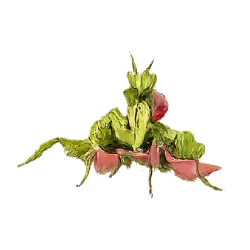
Devil's Flower Mantis

Prinsip spesies: Deceptive Beauty

Hide in bloom.

Beauty can be a doorway into danger when the hunter wears petals.

Devil’s Flower Mantises use flower-like shapes, cryptic coloration, threat displays, and ambush predation to attract or surprise prey while deterring enemies.

Eurasian Bittern (Botaurus stellaris) thumbnail image on AnimalDex

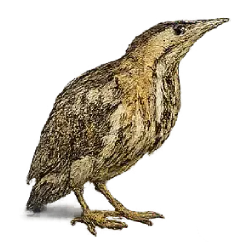
Eurasian Bittern

Prinsip spesies: Reed Disguise

Become the reed.

The best hiding is becoming the shape the place already expects.

Eurasian Bitterns have striped plumage and a vertical freeze posture that helps them blend into reedbeds. Their booming calls also carry through marsh habitat.

Great Potoo (Nyctibius grandis) thumbnail image on AnimalDex

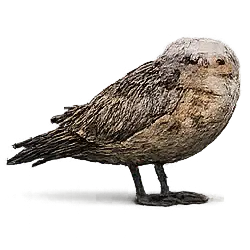
Great Potoo

Prinsip spesies: Branch Illusion

Become the dead branch.

A fixed shape becomes freedom when it makes the watcher disappear.

Great Potoos use cryptic bark-like plumage and rigid upright postures to resemble broken branches or logs during daytime rest.

Mata Mata (Chelus fimbriata) thumbnail image on AnimalDex

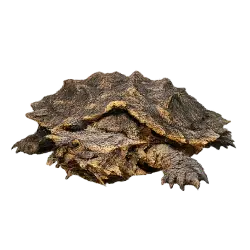
Mata Mata

Prinsip spesies: Leaf Illusion

Become the leaf trap.

The perfect disguise lets the meal come close enough for the water to vanish.

Mata Matas have leaf-like heads, fringed skin, and cryptic shapes that help them resemble debris. They catch prey by rapidly opening the mouth and sucking in water and fish.

Satanic Leaf-tailed Gecko (Uroplatus phantasticus) thumbnail image on AnimalDex

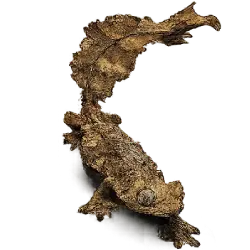
Satanic Leaf-tailed Gecko

Prinsip spesies: Broken Camouflage

Look like the fallen leaf.

A perfect disguise may look torn, fallen, and already forgotten.

Satanic Leaf-tailed Geckos have leaf-like tails, cryptic coloration, and body shapes that resemble dead leaves or bark, helping them hide in Madagascar forests.

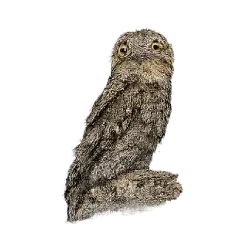
Tawny Frogmouth (Podargus strigoides) thumbnail image on AnimalDex

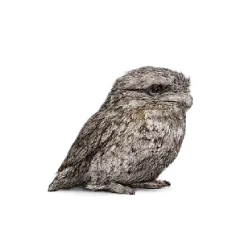
Tawny Frogmouth

Prinsip spesies: Disguise

Become broken bark.

The watcher becomes invisible by becoming what the forest expects to see.

Tawny Frogmouths use cryptic bark-like plumage and rigid still postures to resemble broken branches during the day, avoiding predators through camouflage.

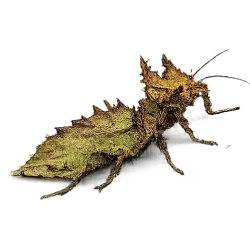
Walking Leaf (Phyllium philippinicum) thumbnail image on AnimalDex

Walking Leaf

Prinsip spesies: Leaf Mimicry

Become the leaf.

The safest form may be the one the world mistakes for scenery.

Walking Leaf insects have leaf-shaped bodies, legs, coloration, veins, and swaying movement that help them resemble leaves and avoid predators.

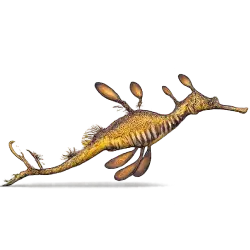
Weedy Seadragon (Phyllopteryx taeniolatus) thumbnail image on AnimalDex

Weedy Seadragon

Prinsip spesies: Drifting Disguise

Drift like weed.

Belong so completely that danger mistakes you for the world around you.

Weedy Seadragons use leaf-like appendages, slow drifting movement, and seaweed-like coloration to blend into marine vegetation.

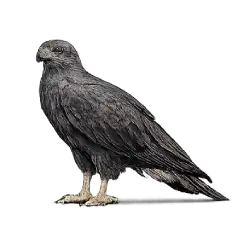
Zone-tailed Hawk (Buteo albonotatus) thumbnail image on AnimalDex

Zone-tailed Hawk

Prinsip spesies: Strategic Disguise

Hunt in shadow.

Blending in can sharpen timing when the drop finally comes.

Zone-tailed Hawks resemble Turkey Vultures in silhouette and flight style, which may let them approach prey before sudden predatory attacks.

Jelajahi indeks terkait