AnimalDex
id
Kembali ke Kualitas

Kualitas Hewan

Flexibility

Sing through ice.

Hewan di sini menunjukkan kualitas yang serupa melalui perilakunya di alam. Setiap spesies tetap punya prinsip, pelajaran, makna, dan halaman field guide sendiri.

15 spesies

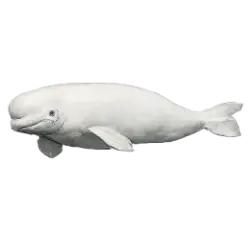
Beluga Whale (Delphinapterus leucas) thumbnail image on AnimalDex

Beluga Whale

Prinsip spesies: Vocal Flexibility

Sing through ice.

A flexible voice finds more than one way through the cold.

Beluga Whales are highly vocal Arctic whales known for clicks, whistles, chirps, echolocation, flexible necks, and social communication in cold waters.
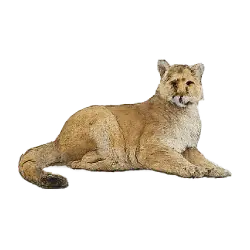
Cougar (Puma concolor) thumbnail image on AnimalDex

Cougar

Prinsip spesies: Range Stealth

Leap from silence.

A broad life opens when silence and flexibility move together.

Cougars occupy a wide range of habitats and use stealth, solitary hunting, and powerful leaps to ambush prey.

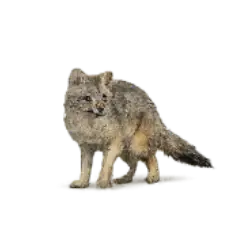
Crab-eating Fox (Cerdocyon thous) thumbnail image on AnimalDex

Crab-eating Fox

Prinsip spesies: Generalism

Eat the edge.

A flexible hunger survives where fixed plans fail.

Crab-eating Foxes are omnivorous canids that forage in wetlands, savannas, forests, and human-edge habitats, eating crabs, fruit, insects, small animals, and carrion.

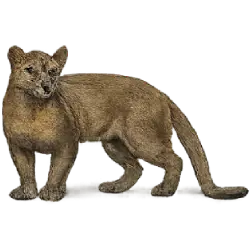
Fossa (Cryptoprocta ferox) thumbnail image on AnimalDex

Fossa

Prinsip spesies: Canopy Pursuit

Follow through branches.

The chase belongs to the body that can follow the prey through every branch.

Fossas are Madagascar’s largest native carnivores, with flexible bodies, long tails, and climbing ability that help them hunt lemurs through forest canopy and ground.

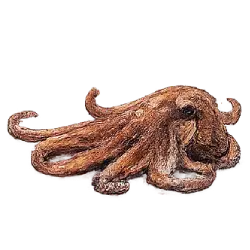
Giant Pacific Octopus (Enteroctopus dofleini) thumbnail image on AnimalDex

Giant Pacific Octopus

Prinsip spesies: Fluid Intelligence

Think in arms.

Flexibility turns tight places into open ones.

Giant Pacific Octopuses are intelligent cephalopods with flexible arms, suckers, camouflage, den use, and problem-solving ability.

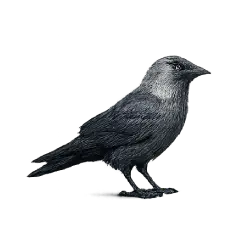
Jackdaw (Coloeus monedula) thumbnail image on AnimalDex

Jackdaw

Prinsip spesies: Adaptation

Use the opening.

New doors open for the one willing to make a home where others see only gaps.

Jackdaws are social corvids that nest in cavities such as cliffs, tree holes, chimneys, ruins, and buildings. Their flexible nesting habits help them live close to human structures as well as wild places.

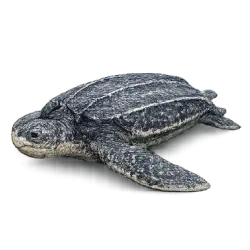
Leatherback Sea Turtle (Dermochelys coriacea) thumbnail image on AnimalDex

Leatherback Sea Turtle

Prinsip spesies: Soft Might

Dive in leather.

A flexible body can cross depths that rigid armor never reaches.

Leatherback Sea Turtles have flexible leathery shells, large flippers, and adaptations for deep, long-distance ocean travel while feeding largely on jellyfish.

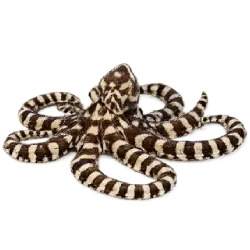
Mimic Octopus (Thaumoctopus mimicus) thumbnail image on AnimalDex

Mimic Octopus

Prinsip spesies: Shape Mimicry

Become the signal.

Survival expands when the self can become many signals.

Mimic Octopuses can alter posture, movement, and appearance to resemble other sea animals such as flatfish, lionfish, or sea snakes, confusing predators or prey.

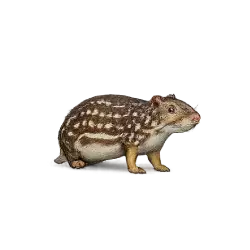
Paca (Cuniculus paca) thumbnail image on AnimalDex

Paca

Prinsip spesies: Night Flexibility

Search the bank.

More chances appear when the search continues after dark.

Pacas are nocturnal rodents that forage for fruit, seeds, and vegetation near forested riverbanks and dense cover, often using water and burrows for safety.

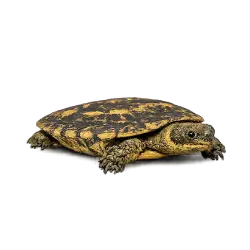
Pancake Tortoise (Malacochersus tornieri) thumbnail image on AnimalDex

Pancake Tortoise

Prinsip spesies: Flexible Shelter

Wedge into stone.

Protection is strongest when it can bend into the only opening available.

Pancake Tortoises have unusually flat, flexible shells and can wedge into narrow rock crevices to escape predators instead of relying on a high domed shell.

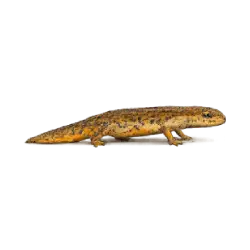
Smooth Newt (Lissotriton vulgaris) thumbnail image on AnimalDex

Smooth Newt

Prinsip spesies: Transition

Change the path.

Growth sometimes means learning which world needs you now.

Smooth Newts move between aquatic breeding habitats and terrestrial habitats across seasons, changing behavior and appearance during breeding periods.

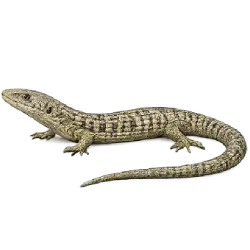
Southern Alligator Lizard (Elgaria multicarinata) thumbnail image on AnimalDex

Southern Alligator Lizard

Prinsip spesies: Flexible Passage

Slip through leaves.

A bendable body finds routes that rigid force cannot enter.

Southern Alligator Lizards have long flexible bodies and move through leaf litter, logs, shrubs, and garden cover while hunting small animals.

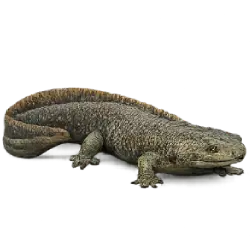
Spanish Ribbed Newt (Pleurodeles waltl) thumbnail image on AnimalDex

Spanish Ribbed Newt

Prinsip spesies: Internal Defense

Raise the ribs.

A flexible defender can turn its own frame into a warning.

Spanish Ribbed Newts can push rib tips through the skin as a defensive mechanism, aided by toxin-bearing skin secretions when threatened.

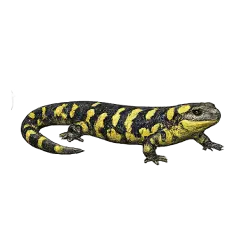
Tiger Salamander (Ambystoma tigrinum) thumbnail image on AnimalDex

Tiger Salamander

Prinsip spesies: Two-World Belonging

Belong in both.

Flexibility lets one life belong underground and in water.

Tiger Salamanders live much of the year underground or under cover and migrate to ponds or wetlands to breed, with aquatic larval stages.

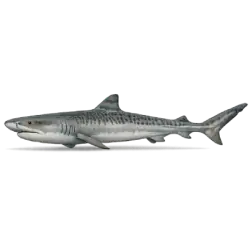
Tiger Shark (Galeocerdo cuvier) thumbnail image on AnimalDex

Tiger Shark

Prinsip spesies: Range

Take the range.

The wide eater survives by seeing more doors than one.

Tiger Sharks are large opportunistic predators with broad diets, ranging through tropical and subtropical waters and consuming many kinds of prey.

Jelajahi indeks terkait