AnimalDex
id
Kembali ke Kualitas

Kualitas Hewan

Stillness

Wait where waters mix.

Hewan di sini menunjukkan kualitas yang serupa melalui perilakunya di alam. Setiap spesies tetap punya prinsip, pelajaran, makna, dan halaman field guide sendiri.

23 spesies

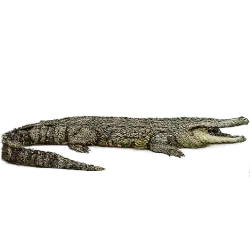
American Crocodile animal lesson image on AnimalDex

American Crocodile

Prinsip spesies: Brackish Stillness

Wait where waters mix.

Strength can wait where river and sea meet.

American Crocodiles inhabit coastal lagoons, mangroves, river mouths, and brackish waters, using patient ambush, basking, and powerful bodies to hunt.
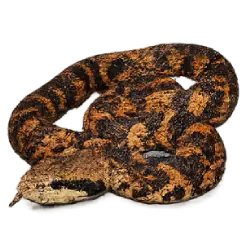
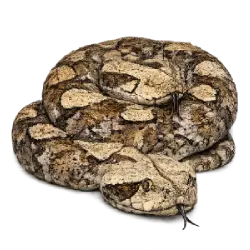
Bushmaster (Lachesis muta) thumbnail image on AnimalDex

Bushmaster

Prinsip spesies: Held Power

Hold the strike.

The greatest force may be the one waiting without announcement.

Bushmasters are large venomous pit vipers that use camouflage and stillness on rainforest floors, striking when prey comes within range.

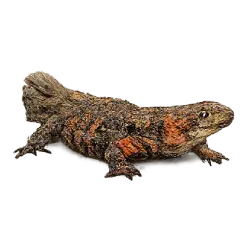
Chinese Crocodile Lizard (Shinisaurus crocodilurus) thumbnail image on AnimalDex

Chinese Crocodile Lizard

Prinsip spesies: Stream Stillness

Wait by the stream.

Small dragons become serious when they know exactly where to wait.

Chinese Crocodile Lizards are semi-aquatic lizards that perch near cool forest streams and often remain still for long periods before moving or hunting.

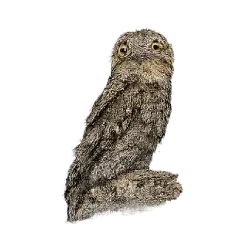
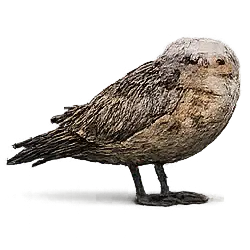
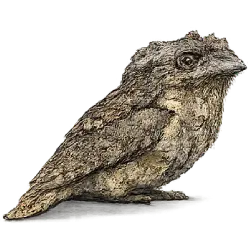
Common Potoo (Nyctibius griseus) thumbnail image on AnimalDex

Common Potoo

Prinsip spesies: Still Disguise

Be the branch.

Stillness becomes invisibility when the body learns the shape of its world.

Common Potoos perch upright on branches or stumps with bark-like plumage and remain extremely still, resembling broken branches during the day.

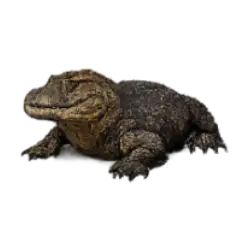
Dwarf Caiman (Paleosuchus palpebrosus) thumbnail image on AnimalDex

Dwarf Caiman

Prinsip spesies: Armored Patience

Armor the stillness.

Quiet patience becomes protection when armor holds the line.

Dwarf Caimans are small heavily armored crocodilians that inhabit forest streams, rivers, and wetlands, relying on stillness and protection.

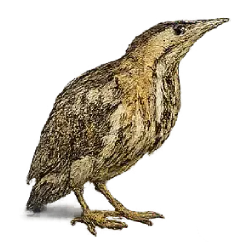
Eurasian Bittern (Botaurus stellaris) thumbnail image on AnimalDex

Eurasian Bittern

Prinsip spesies: Reed Disguise

Become the reed.

The best hiding is becoming the shape the place already expects.

Eurasian Bitterns have striped plumage and a vertical freeze posture that helps them blend into reedbeds. Their booming calls also carry through marsh habitat.

Gaboon Viper (Bitis gabonica) thumbnail image on AnimalDex

Gaboon Viper

Prinsip spesies: Hidden Magnitude

Hide the fang.

Stillness can hide more power than movement can explain.

Gaboon Vipers use leaf-pattern camouflage, heavy bodies, extremely long fangs, potent venom, and ambush behavior on the forest floor.

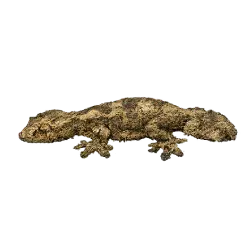
Giant Leaf-tailed Gecko (Uroplatus fimbriatus) thumbnail image on AnimalDex

Giant Leaf-tailed Gecko

Prinsip spesies: Total Camouflage

Lose the edge.

The deepest hiding happens when your edges disappear into the world.

Giant Leaf-tailed Geckos have flattened bodies, fringed skin, cryptic coloration, and leaf-like tails that help them vanish against bark and lichen-covered surfaces.

Great Potoo (Nyctibius grandis) thumbnail image on AnimalDex

Great Potoo

Prinsip spesies: Branch Illusion

Become the dead branch.

A fixed shape becomes freedom when it makes the watcher disappear.

Great Potoos use cryptic bark-like plumage and rigid upright postures to resemble broken branches or logs during daytime rest.

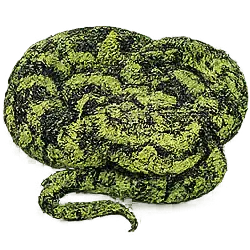
Mangshan Pit Viper (Protobothrops mangshanensis) thumbnail image on AnimalDex

Mangshan Pit Viper

Prinsip spesies: Moss Living Camouflage

Melt into moss.

The best camouflage does not disappear; it becomes part of the living place.

Mangshan Pit Vipers have mossy green patterning and pit-viper ambush behavior, helping them blend into humid mountain forest vegetation.

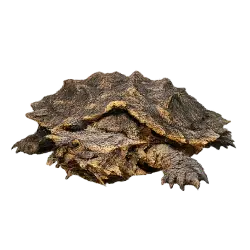
Mata Mata (Chelus fimbriata) thumbnail image on AnimalDex

Mata Mata

Prinsip spesies: Leaf Illusion

Become the leaf trap.

The perfect disguise lets the meal come close enough for the water to vanish.

Mata Matas have leaf-like heads, fringed skin, and cryptic shapes that help them resemble debris. They catch prey by rapidly opening the mouth and sucking in water and fish.

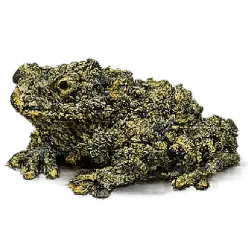
Mossy Frog (Theloderma corticale) thumbnail image on AnimalDex

Mossy Frog

Prinsip spesies: Place-Mimicry

Become the moss.

Copy the place so well that danger reads you as landscape.

Mossy Frogs have bumpy green, brown, and black skin that resembles moss and lichen on wet rocks, helping them hide from predators.

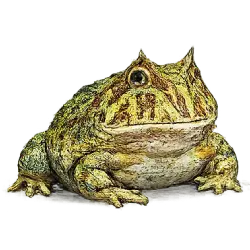
Ornate Horned Frog (Ceratophrys ornata) thumbnail image on AnimalDex

Ornate Horned Frog

Prinsip spesies: Sit-and-Wait

Let prey come close.

The right moment matters more than constant motion.

Ornate Horned Frogs are sit-and-wait ambush predators with large mouths, camouflage, and explosive strikes from leaf litter or ground cover.

Pallas's Cat (Otocolobus manul) thumbnail image on AnimalDex

Pallas's Cat

Prinsip spesies: Low Profile

Crouch into land.

The land hides the one shaped low enough to become part of it.

Pallas’s Cats have dense fur, low-set ears, flat faces, and crouching hunting behavior suited to cold rocky grasslands and open steppe habitats.

Reticulated river stingray animal lesson image on AnimalDex

Reticulated river stingray

Prinsip spesies: Patterned Concealment

Match the riverbed.

Stillness works best when pattern and place agree.

Reticulated River Stingrays are bottom-dwelling freshwater rays with patterned bodies that help them blend into substrate.

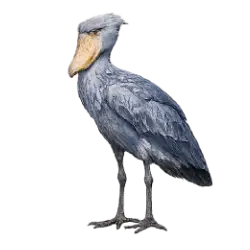
Shoebill (Balaeniceps rex) thumbnail image on AnimalDex

Shoebill

Prinsip spesies: Monumental Stillness

Stand like stone.

The world may mistake you for stone until the moment you move.

Shoebills are large wetland birds that stand very still for long periods before striking lungfish, fish, amphibians, and other prey with a massive shoe-shaped bill.

Sri Lanka Frogmouth (Batrachostomus moniliger) thumbnail image on AnimalDex

Sri Lanka Frogmouth

Prinsip spesies: Bark Mask

Wear the bark.

A strange face becomes genius when it matches the tree.

Sri Lanka Frogmouths have bark-like plumage, wide mouths for catching insects, nocturnal habits, and cryptic daytime roosting postures.

Stick Insect animal lesson image on AnimalDex

Stick Insect

Prinsip spesies: Living Disguise

Disappear by fitting.

Protection can come from alignment with the background rather than confrontation.

Stick insects resemble twigs or leaves and use stillness, camouflage, and body shape to avoid detection by predators.

Jelajahi indeks terkait