

Animals in Madagascar: What You Can Spot, Learn, and Collect
A practical Madagascar wildlife guide built around endemism, smaller-animal curiosity, and the species that make the island feel unlike anywhere else.
Quick answer
Start with the direct answer, then use the sections below to see why the location matters and which animals are actually realistic to spot there.
Madagascar is strongest when you value uniqueness over sheer body size. Lemurs, smaller birds, insects, and coastal species make the island special because the whole experience feels locally specific instead of globally familiar.
Madagascar rewards travelers who love distinctiveness.
The point is not only big-animal drama but how different the island’s whole wildlife identity feels.
Why this location matters
Good location pages explain why the place is worth your time, not just which names belong on a destination checklist.
Endemism gives even a short species list unusual value.
Madagascar also teaches travelers to appreciate smaller and behavior-rich animals.
Animals to spot
These are intentionally practical species picks, balancing accessibility, excitement, and what travelers can realistically notice in the location.
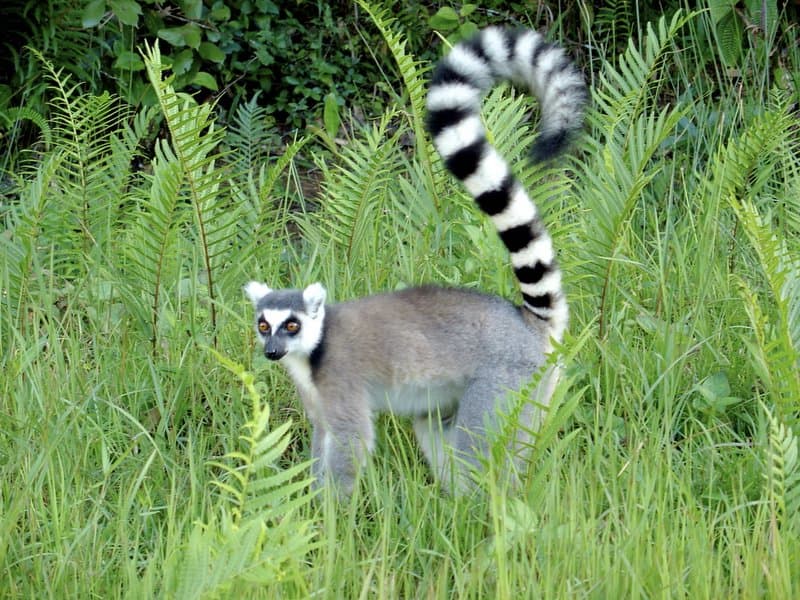
Ring-tailed Lemur
The clearest Madagascar anchor species and a powerful visual symbol of the island.
Spotting note: Major emotional and educational highlight.
Read species guideGreen Sea Turtle
A useful coastal addition that broadens the trip beyond forest expectations.
Spotting note: Strong marine supporting species.
Read species guideBarn Owl
A good reminder that island wildlife value also includes twilight and quieter observation.
Spotting note: Subtle but rewarding supporting sighting.
Read species guideCicada
A sound-rich small species that helps the island feel alive in a more complete way.
Spotting note: Atmospheric more than headline.
Read species guideAye-aye
Aye Aye adds realistic depth to the Madagascar animal list without forcing the page around one headline encounter.
Spotting note: Useful supporting species with the right habitat and timing.
Read species guideFossa
Fossa broadens the Madagascar page beyond the obvious targets and makes habitat-led spotting feel more complete.
Spotting note: Better treated as a realistic secondary target than a guaranteed sighting.
Read species guideSatanic Leaf-tailed Gecko
Satanic Leaf Tailed Gecko is a strong supporting species that helps Madagascar feel richer than a one-animal destination.
Spotting note: Strong add when you pay attention to habitat instead of chasing one flagship animal.
Read species guideMadagascar Day Gecko
Madagascar Day Gecko gives the Madagascar page more ecological range, not just more raw checklist count.
Spotting note: Meaningful supporting sighting rather than the only reason to choose the location.
Read species guideTomato Frog
Tomato Frog adds realistic depth to the Madagascar animal list without forcing the page around one headline encounter.
Spotting note: Useful supporting species with the right habitat and timing.
Read species guideHumpback Whale
Humpback Whale broadens the Madagascar page beyond the obvious targets and makes habitat-led spotting feel more complete.
Spotting note: Better treated as a realistic secondary target than a guaranteed sighting.
Read species guideBest for
Use this section to decide whether the location fits your travel style, skill level, and AnimalDex goals.
- Travelers who value unique species identity.
- People who enjoy smaller-animal discovery.
- Collectors who like endemism and atmosphere.
- Families curious about unusual wildlife worlds.
Spotting tips
These tips are meant to make the page useful in the field, not just readable on the page.
- Do not compare Madagascar to safari countries on their terms.
- Value uniqueness and behavior over body size.
- Smaller species and sound-based moments matter here.
- Coastal additions can make the trip feel more complete.
Track the animals you find in Madagascar
Build your collection while you travel through Madagascar, from easy wins to the species worth planning around.
Related locations
Keep exploring with nearby or similar destinations that support the same kind of AnimalDex discovery.
Animals in Ecuador: What You Can Spot, Learn, and Collect
A practical Ecuador wildlife guide built around tropical color, coast-linked species, and the short-distance habitat shifts that make the country feel dense with animal possibility.
Read location guideAnimals in Jamaica: What You Can Spot, Learn, and Collect
A practical Jamaica wildlife guide built around coasts, tropical edges, wetlands, and the smaller-but-rewarding species that make island travel feel more biologically alive.
Read location guideAnimals in Singapore: What You Can Spot, Learn, and Collect
A practical Singapore wildlife guide built around urban-edge nature, parks, coasts, and the kind of compact travel that can still produce a satisfying animal list.
Read location guideLocation FAQ
Short direct answers to the questions travelers usually ask before choosing a wildlife destination or zoo day.
What makes Madagascar special for wildlife?
Its species identity feels unusually distinct, with animals that make the island immediately recognizable and memorable.
Is Madagascar good for AnimalDex collectors?
Yes. It is especially strong for people who care about uniqueness, smaller animals, and island-specific wildlife character.