Animals in Singapore: What You Can Spot, Learn, and Collect
A practical Singapore wildlife guide built around urban-edge nature, parks, coasts, and the kind of compact travel that can still produce a satisfying animal list.
Quick answer
Start with the direct answer, then use the sections below to see why the location matters and which animals are actually realistic to spot there.
Singapore works best when you treat it as an urban wildlife and managed-nature destination. Kingfishers, swallows, bees, turtles, and reef-linked species can make a compact trip feel more biologically rewarding than people expect.
Singapore is a good reminder that wildlife value does not require huge wilderness.
Parks, coasts, wetlands, and managed green spaces can still build a useful species list.
Explore animal places in Singapore
Open a curated guide to animal-focused attractions or protected habitats connected to this location.
Why this location matters
Good location pages explain why the place is worth your time, not just which names belong on a destination checklist.
It shows how compact cities can still support meaningful observation.
Singapore works well as a bridge between casual travel and more focused wildlife interest.
Where to find each animal in Singapore
Singapore fits every habitat into 730km²: primary forest in the Central Catchment, mangrove and mudflat at Sungei Buloh, reef around the southern islands, and a city that a surprising amount of wildlife has learned to use.
Habitat zone
Central Catchment & Bukit Timah
The island's last primary rainforest, plus the secondary forest that grew back around the reservoirs.
6 animals mapped here
Habitat zone
Sungei Buloh wetlands
Mangrove boardwalks and tidal mudflat on the north-west shore, best on a falling tide.
5 animals mapped here
Habitat zone
Southern Islands water
Sisters' Islands and the reef patches that survive in the shipping lane's shadow.
4 animals mapped here
Habitat zone
HDB estates, parks & park connectors
Void decks, roadside rain trees and the park connector network — the city's own ecosystem.
11 animals mapped here
Zones are habitat guidance, not guarantees. Pin positions mark the part of the region each animal is realistically worked for; the coastline is simplified for legibility.
Where to look
Wildlife map of Singapore
Each pin is a real place you can visit, with the animals worth working for there.
Positions are geocoded from OpenStreetMap. Habitat access and opening times change — check locally before travelling.
Animals to spot
These are intentionally practical species picks, balancing accessibility, excitement, and what travelers can realistically notice in the location.
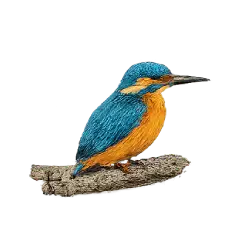
Common KingfisherD
A high-satisfaction waterside bird that makes urban and wetland edges more rewarding.
Spotting note: Very practical supporting sighting.
Read species guide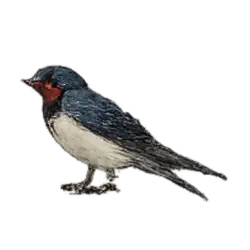
Barn SwallowD
An easy everyday species that helps the list start moving fast.
Spotting note: Accessible confidence-builder.
Read species guide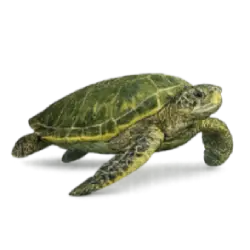
Green Sea TurtleC
A memorable marine or coastal species for travelers adding shoreline time.
Spotting note: High-value marine add.
Read species guide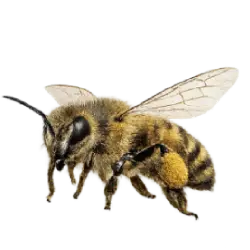
Honey BeeD
A useful small species that reminds travelers how much nature exists even in dense urban systems.
Spotting note: Small but meaningful everyday win.
Read species guide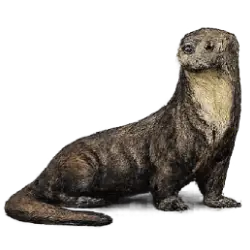
OtterB
Otter adds realistic depth to the Singapore animal list without forcing the page around one headline encounter.
Spotting note: Useful supporting species with the right habitat and timing.
Read species guide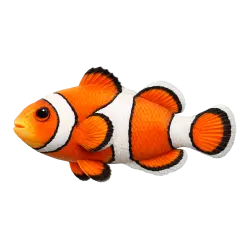
ClownfishE
Clownfish broadens the Singapore page beyond the obvious targets and makes habitat-led spotting feel more complete.
Spotting note: Better treated as a realistic secondary target than a guaranteed sighting.
Read species guide
DolphinB
Dolphin is a strong supporting species that helps Singapore feel richer than a one-animal destination.
Spotting note: Strong add when you pay attention to habitat instead of chasing one flagship animal.
Read species guide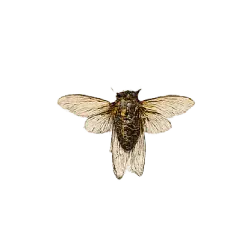
CicadaE
Cicada gives the Singapore page more ecological range, not just more raw checklist count.
Spotting note: Meaningful supporting sighting rather than the only reason to choose the location.
Read species guide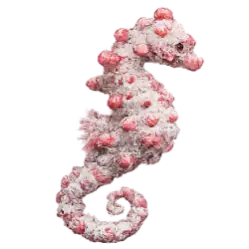
SeahorseC
Seahorse adds realistic depth to the Singapore animal list without forcing the page around one headline encounter.
Spotting note: Useful supporting species with the right habitat and timing.
Read species guide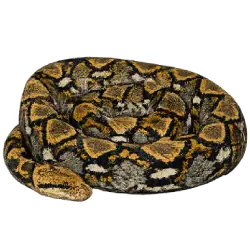
Reticulated PythonB
Reticulated Python broadens the Singapore page beyond the obvious targets and makes habitat-led spotting feel more complete.
Spotting note: Better treated as a realistic secondary target than a guaranteed sighting.
Read species guide
Javan MynaD
Javan Myna is a strong supporting species that helps Singapore feel richer than a one-animal destination.
Spotting note: Strong add when you pay attention to habitat instead of chasing one flagship animal.
Read species guide
Asian Glossy StarlingD
Asian Glossy Starling gives the Singapore page more ecological range, not just more raw checklist count.
Spotting note: Meaningful supporting sighting rather than the only reason to choose the location.
Read species guide
House CrowD
House Crow adds realistic depth to the Singapore animal list without forcing the page around one headline encounter.
Spotting note: Useful supporting species with the right habitat and timing.
Read species guide
Pied FantailD
Pied Fantail broadens the Singapore page beyond the obvious targets and makes habitat-led spotting feel more complete.
Spotting note: Better treated as a realistic secondary target than a guaranteed sighting.
Read species guide
Common MynaD
Common Myna is a strong supporting species that helps Singapore feel richer than a one-animal destination.
Spotting note: Strong add when you pay attention to habitat instead of chasing one flagship animal.
Read species guide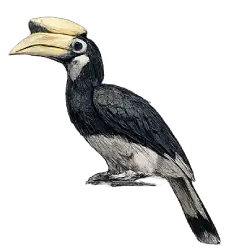
Oriental Pied HornbillC
Oriental Pied Hornbill gives the Singapore page more ecological range, not just more raw checklist count.
Spotting note: Meaningful supporting sighting rather than the only reason to choose the location.
Read species guide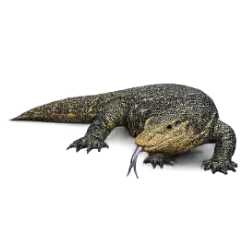
Water MonitorC
Water Monitor adds realistic depth to the Singapore animal list without forcing the page around one headline encounter.
Spotting note: Useful supporting species with the right habitat and timing.
Read species guide
Long-tailed MacaqueC
Long Tailed Macaque broadens the Singapore page beyond the obvious targets and makes habitat-led spotting feel more complete.
Spotting note: Better treated as a realistic secondary target than a guaranteed sighting.
Read species guide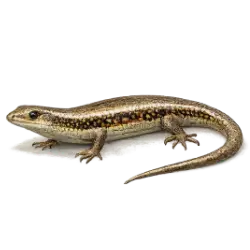
Common Sun SkinkD
Common Sun Skink is a strong supporting species that helps Singapore feel richer than a one-animal destination.
Spotting note: Strong add when you pay attention to habitat instead of chasing one flagship animal.
Read species guide
Asian Weaver AntE
Asian Weaver Ant gives the Singapore page more ecological range, not just more raw checklist count.
Spotting note: Meaningful supporting sighting rather than the only reason to choose the location.
Read species guide
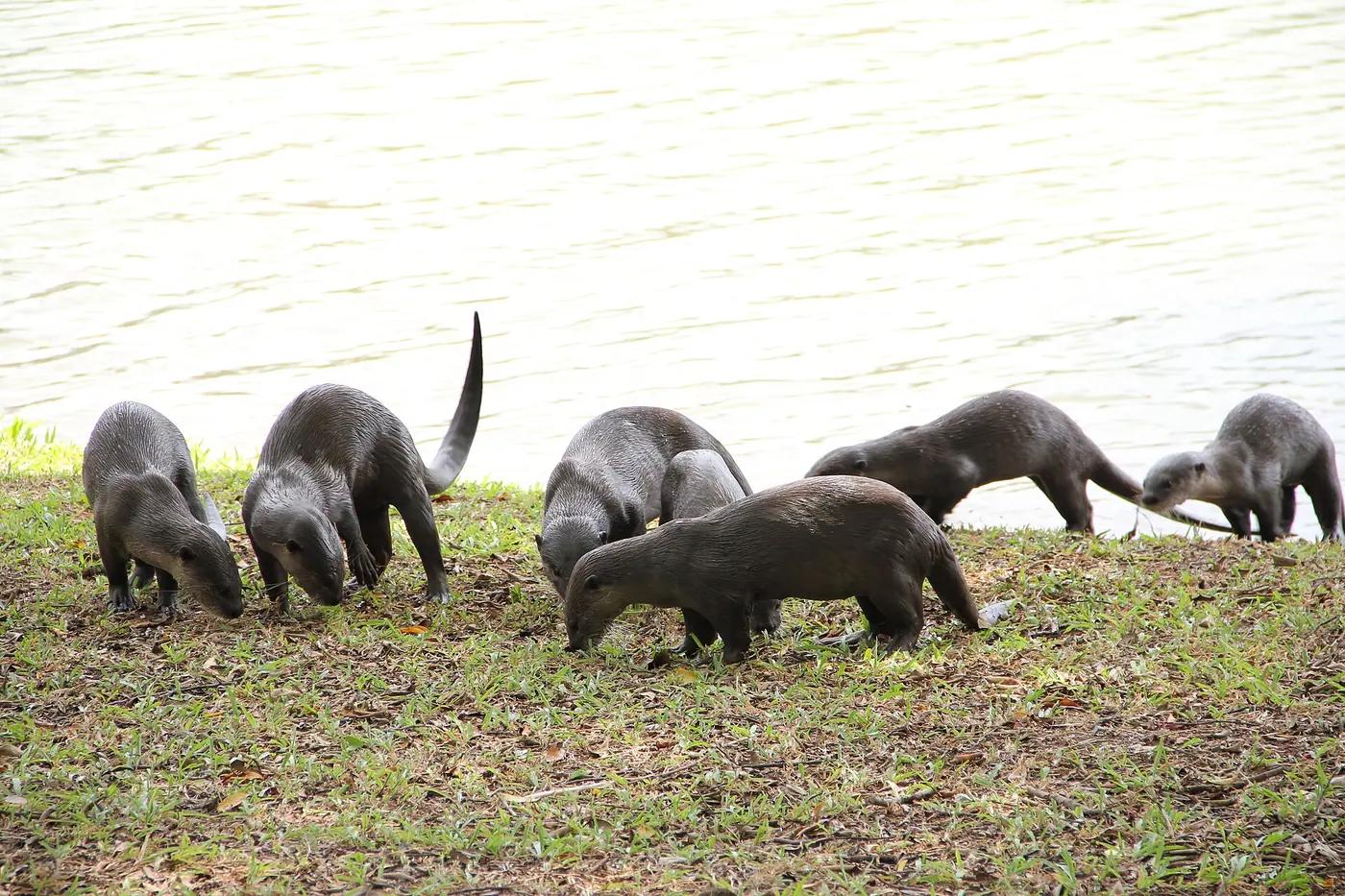
Smooth-coated OtterC
Smooth Coated Otter adds realistic depth to the Singapore animal list without forcing the page around one headline encounter.
Spotting note: Useful supporting species with the right habitat and timing.
Read species guide
Asian Common ToadE
Asian Common Toad broadens the Singapore page beyond the obvious targets and makes habitat-led spotting feel more complete.
Spotting note: Better treated as a realistic secondary target than a guaranteed sighting.
Read species guide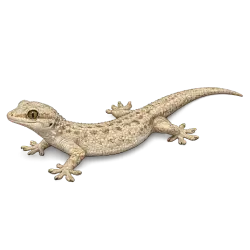
Common House GeckoE
Common House Gecko is a strong supporting species that helps Singapore feel richer than a one-animal destination.
Spotting note: Strong add when you pay attention to habitat instead of chasing one flagship animal.
Read species guide
Asian Palm CivetD
Asian Palm Civet gives the Singapore page more ecological range, not just more raw checklist count.
Spotting note: Meaningful supporting sighting rather than the only reason to choose the location.
Read species guide
House FlyE
House Fly adds realistic depth to the Singapore animal list without forcing the page around one headline encounter.
Spotting note: Useful supporting species with the right habitat and timing.
Read species guide
MosquitoE
Mosquito broadens the Singapore page beyond the obvious targets and makes habitat-led spotting feel more complete.
Spotting note: Better treated as a realistic secondary target than a guaranteed sighting.
Read species guideBest for
Use this section to decide whether the location fits your travel style, skill level, and AnimalDex goals.
- Short-stay travelers who still want a wildlife list.
- Families mixing city and animal discovery.
- Collectors who enjoy compact, realistic spotting.
- People who want urban nature rather than deep expedition logistics.
Spotting tips
These tips are meant to make the page useful in the field, not just readable on the page.
- 01Use parks, wetlands, and water edges intentionally.
- 02Do not dismiss small species because they often carry the whole trip.
- 03A compact city list can still feel satisfying if expectations are realistic.
- 04Coastal time adds more value than many travelers expect.
Virtual Wildlife Guides
Wildlife guides to Singapore
AnimalDex builds virtual guides from explorers' own wild sightings: which animals they found, how rare they are, and when. A guide is advice from someone who has been there, not a tour. Buying one unlocks the author's notes for every animal, a chat with the author, and introductions to local people they met. Wildlife is never guaranteed.
Checking for virtual guides to Singapore...
How to choose a local wildlife guide in Singapore
- Ask what they usually find in the season you are visiting. A good guide gives an honest answer, not a promised sighting.
- Check how they treat animals: no baiting, calling in, handling, or close flash photography for a better shot.
- Confirm the meeting area, duration, group size, total price, and how you pay before the day, plus any permits or park fees the place requires.
Track the animals you find in Singapore
Build your collection while you travel through Singapore, from easy wins to the species worth planning around.
Related locations
Keep exploring with nearby or similar destinations that support the same kind of AnimalDex discovery.
Animals in Bali: What You Can Spot, Learn, and Collect
A practical Bali wildlife guide built around animals travelers can realistically spot, from birds and coastal species to high-value sightings that make the island feel richer than a resort-only trip.
Read location guideAnimals in Indonesia: What You Can Spot, Learn, and Collect
A practical guide to animals in Indonesia, from accessible birds and coastal wildlife to headline species that make the country one of the world's strongest wildlife-travel destinations.
Read location guideAnimals in Thailand: What You Can Spot, Learn, and Collect
A practical Thailand wildlife guide built around forests, coasts, reptiles, and the travel-friendly species that make the country feel biologically rewarding without extreme logistics.
Read location guideLocation FAQ
Short direct answers to the questions travelers usually ask before choosing a wildlife destination or zoo day.
Can you really spot wildlife in Singapore?
Yes. Parks, wetland edges, coasts, and managed green spaces can produce a surprisingly useful animal list.
Is Singapore good for beginner AnimalDex users?
Yes. It is one of the clearest examples of how everyday travel can still become meaningful animal collecting.
How do I find a wildlife guide to Singapore?
Check the Wildlife Guides section on this page or browse Wildlife Guides on AnimalDex. Each one is a virtual guide built from an explorer's own wild sightings around Singapore: the animals they found, how rare they are, and when. It is advice from someone who has been there, not a tour. If you want someone with you on the day, compare local guides on wildlife knowledge, how they treat animals, and clear pricing before you go.