

Animals in the United States: What You Can Spot, Learn, and Collect
A practical United States wildlife guide built around habitat variety, from wetlands and coastlines to migration corridors and iconic American species.
Quick answer
Start with the direct answer, then use the sections below to see why the location matters and which animals are actually realistic to spot there.
The United States is strong because it works almost everywhere. Eagles, alligators, butterflies, owls, and dolphins show how a trip can stay biologically interesting across wetlands, roads, coasts, and everyday travel infrastructure.
The United States is too broad for one wildlife stereotype.
Wetlands, national parks, suburbs, coasts, and migration routes all produce different results.
Why this location matters
Good location pages explain why the place is worth your time, not just which names belong on a destination checklist.
The country makes accessible wildlife feel valuable rather than second-tier.
It rewards mixed travel styles because animal discovery can happen alongside many other trips.
Animals to spot
These are intentionally practical species picks, balancing accessibility, excitement, and what travelers can realistically notice in the location.
Bald Eagle
A signature American species that gives water and coast travel immediate identity.
Spotting note: High-confidence visual highlight.
Read species guideAmerican Alligator
A major wetland anchor that adds prehistoric atmosphere and strong habitat context.
Spotting note: Excellent regional specialist.
Read species guideMonarch Butterfly
A migration-linked species that makes ordinary landscapes feel more meaningful.
Spotting note: Seasonal but rewarding.
Read species guideDolphin
A strong coastal species that helps mixed trips produce memorable wildlife moments.
Spotting note: Reliable marine excitement in the right setting.
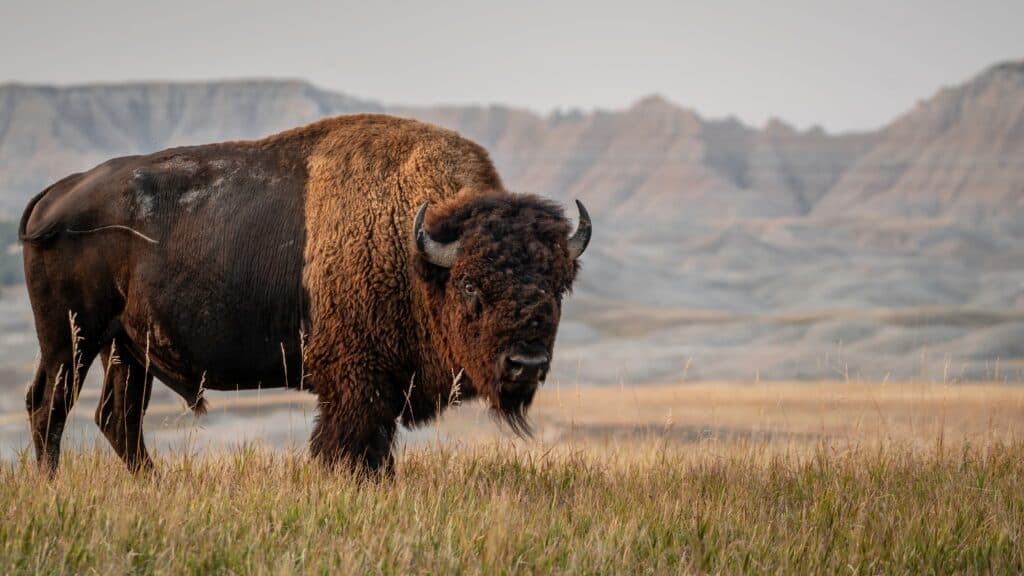
Read species guideAmerican Bison
American Bison adds realistic depth to the United States animal list without forcing the page around one headline encounter.
Spotting note: Useful supporting species with the right habitat and timing.
Read species guideNorth American Raccoon
North American Raccoon broadens the United States page beyond the obvious targets and makes habitat-led spotting feel more complete.
Spotting note: Better treated as a realistic secondary target than a guaranteed sighting.
Read species guideGreat Blue Heron
Great Blue Heron is a strong supporting species that helps United States feel richer than a one-animal destination.
Spotting note: Strong add when you pay attention to habitat instead of chasing one flagship animal.
Read species guideNorth American Beaver
North American Beaver gives the United States page more ecological range, not just more raw checklist count.
Spotting note: Meaningful supporting sighting rather than the only reason to choose the location.
Read species guideCougar
Cougar adds realistic depth to the United States animal list without forcing the page around one headline encounter.
Spotting note: Useful supporting species with the right habitat and timing.
Read species guideWhooping Crane
Whooping Crane broadens the United States page beyond the obvious targets and makes habitat-led spotting feel more complete.
Spotting note: Better treated as a realistic secondary target than a guaranteed sighting.
Read species guideBest for
Use this section to decide whether the location fits your travel style, skill level, and AnimalDex goals.
- Travelers who want flexible wildlife options.
- Families mixing roads, parks, and coasts.
- Collectors who like easy supporting species plus a few anchors.
- Photographers working across many habitats.
Spotting tips
These tips are meant to make the page useful in the field, not just readable on the page.
- Think in state, coast, wetland, or migration corridor, not just country name.
- Easy-access species often make the trip stronger overall.
- Use seasonal movement to your advantage.
- Wetland and coastal time usually pay off quickly.
Track the animals you find in United States
Build your collection while you travel through United States, from easy wins to the species worth planning around.
Related locations
Keep exploring with nearby or similar destinations that support the same kind of AnimalDex discovery.
Animals in Canada: What You Can Spot, Learn, and Collect
A practical Canada wildlife guide built around coasts, forests, migration, and the cold-region species that make the country feel spacious and serious.
Read location guideAnimals in Mexico: What You Can Spot, Learn, and Collect
A practical Mexico wildlife guide built around wetlands, coasts, colorful birds, and the species that make the country strong for flexible animal discovery.
Read location guideAnimals in Australia: What You Can Spot, Learn, and Collect
A practical Australia wildlife guide built around distinctive mammals, coastal species, and the kind of animal list that feels unlike almost anywhere else.
Read location guideLocation FAQ
Short direct answers to the questions travelers usually ask before choosing a wildlife destination or zoo day.
What animals are easiest to notice in the United States?
Birds, wetland species, coastal animals, and migration-linked sightings are strong practical answers for many travelers.
Is the United States good for AnimalDex collecting?
Yes. It is especially useful because wildlife can fit naturally into many kinds of trips.