
Panduan lapangan hewan
Asian Forest Tortoise
Identifikasi, habitat, rarity, perilaku, simbolisme, fakta, dan pelajaran praktis dari alam.
Panduan lapangan hewan
Asian Forest Tortoise
Steady Progress Pattern
Slow and steady wins.
The Asian Forest Tortoise demonstrates that slow, steady progress can lead to long-term success, even in challenging environments.
You’re #1 of 1
RECORD ID
EED1942F-AA75-4910-8218-3A70A25DCCC9
Native range
Natural range, not this capture location
Native range keys: southeast_asia.
Wild reward hint
First-time wild species earn bonus rewards, including 1 free credit.
0/1 XP toward Level 2
AnimalDex stats
Dominance
32
Speed
9
Size
44
Intelligence
27
Rarity
37%
Total
149
Size scale
Zoo animal · comparisons disabled
Zoo animals stay in your collection, but they can't enter scenario comparisons or the Arena.
✦ Available actions
Compare this public animal when your deck meets the current rules.
Nama ilmiah
Manouria emys
Kategori
Reptile
Habitat
Native range keys: southeast_asia.
Rarity
Uncommon · 56/100
Native range
Native range keys: southeast_asia.
Mengapa Steady Progress Pattern?
Alasan di balik Prinsip Hewan ini dan biologi yang mendukungnya.
The Patient Forest Wanderer. The Patient Forest Wanderer. Slow, steady persistence can carry a life through dense and shifting surroundings.
Cara mengidentifikasi Asian Forest Tortoise
- Recognized in AnimalDex as Asian Forest Tortoise
- Indexed profile #1966
Habitat: Native range keys: southeast_asia.
Native range: Native range keys: southeast_asia.
nativeRangeCardTitle
nativeRangeCardDescription
Native range keys: southeast_asia.
To find Asian Forest Tortoise in the wild, focus on the exact habitat patches that match its body design and daily behavior, not just the broad country where it exists. You usually do better by working one good piece of habitat inside native range keys: southeast_asia. than by covering too much ground.
- Native range keys: southeast_asia.
- Protected habitat blocks within native range keys: southeast_asia.
- Start early, pick one strong patch of habitat, and stay long enough for movement to return after you arrive.
- Look for food, cover, and movement routes in the same place, because the best sightings usually happen where those overlap.
- Warm rocks, trail edges, fallen timber, and quiet water margins are usually better than heavily disturbed ground.
Asian Forest Tortoise follows a reptile diet shaped by body size and habitat. Many reptiles take animal prey, though exact feeding strategy varies widely by species.
- Insects or other invertebrates
- Fish, amphibians, eggs, or small vertebrates
- Larger prey items when body size allows
Because reptiles use environmental heat, feeding pace can rise or fall with temperature and season.
- Move forward with patience and persistence.
Asian Forest Tortoise most often symbolizes steady progress pattern in AnimalDex because its real survival behavior repeatedly shows this pattern.
The Asian Forest Tortoise demonstrates that slow, steady progress can lead to long-term success, even in challenging environments.
Asian Forest Tortoises are known for their slow, deliberate movements and ability to navigate dense forest floors over time.
- Observe from a respectful distance and avoid changing the animal's behavior.
- Do not block feeding, shelter, nesting, or travel routes.
- Use a live camera capture without handling or staging wildlife.
Hewan terkait
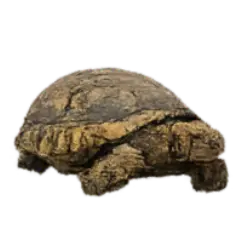
Aldabra Giant Tortoise
Aldabra Giant Tortoise is a reptile known for immense domed shell, very long lifespan,…
Baca panduan spesies
Asian Leaf Turtle
The Patient Forest Forager. The Patient Forest Forager. Steady, quiet effort can thrive…
Baca panduan spesies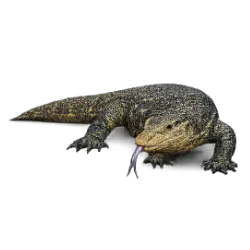
Asian Water Monitor
Water Monitor is a reptile known for long-necked monitor frame, powerful swimming tail,…
Baca panduan spesiesLebih banyak hewan dengan kekuatan Long-Term Endurance
Jelajahi semua hewan Long-Term Endurance

Bawa ensiklopedia ke dunia nyata
AnimalDex membantumu memindai hewan nyata, mengidentifikasi spesies, mengoleksi kartu, dan belajar dari alam di mana pun kamu berada.