
Panduan lapangan hewan
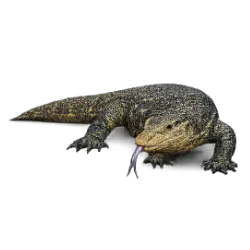
Asian Water Monitor
Identifikasi, habitat, rarity, perilaku, simbolisme, fakta, dan pelajaran praktis dari alam.
Aquatic Explorer. The Water Monitor is an excellent swimmer thanks to its long, powerful tail and streamlined body shape. This allows it to move swiftly through water, hunting fish and other aquatic prey. If you want to catch fish, try using a similar swimming technique by practicing your strokes and staying low in the water to avoid scaring them away.
Nama ilmiah
Varanus salvator
Kategori
Reptile
Habitat
mangrove, riverbank, swamp edge, and urban canal
Rarity
Uncommon · 51/100
Native range
South and Southeast Asia
Sustained Range
Keep moving the edge.
Riverbank Swim-Walk Foraging
Apa yang diajarkannya
Lasting effort wins by moving through every edge without drama.
Coba
A new job gets easier by learning the kitchen, desk, and people slowly.
Bukti alam
Water Monitors are large semi-aquatic lizards that swim, climb, scavenge, hunt, and thrive along rivers, mangroves, wetlands, and urban edges.
Gunakan untuk
Tangkapan Asian Water Monitor berperingkat
2 tangkapan berperingkat dalam grup ini dari kolektor AnimalDex.
Mengapa Sustained Range?
Alasan di balik Prinsip Hewan ini dan biologi yang mendukungnya.
Water Monitor is a reptile known for long-necked monitor frame, powerful swimming tail, and wetland-edge opportunistic feeding.
Cara mengidentifikasi Asian Water Monitor
- long-necked monitor frame
- powerful swimming tail
- wetland-edge opportunistic feeding
- Often associated with mangrove, riverbank, swamp edge, and urban canal
Kenapa Asian Water Monitor menarik
- Water Monitor is a useful example of how anatomy and habitat fit together as one survival system.
- Its shape, movement style, and food strategy make it easy to compare with related animals.
- This species turns one page into a lesson about adaptation, ecosystem role, and identification.
Habitat: mangrove, riverbank, swamp edge, and urban canal
Native range: South and Southeast Asia
nativeRangeCardTitle
nativeRangeCardDescription
mangrove, riverbank, swamp edge, and urban canal
To find Asian Water Monitor in the wild, focus on the exact habitat patches that match its body design and daily behavior, not just the broad country where it exists. You usually do better by working one good piece of habitat inside south and Southeast Asia than by covering too much ground.
- Quiet marsh edges, reedbeds, river bends, or shallow wetland margins
- Protected habitat blocks within south and Southeast Asia
- First light and late afternoon are often best, when animals come out to feed along the edge of water.
- Watch the transition line between open water and cover, because feeding and movement often happen on that edge.
- Warm rocks, trail edges, fallen timber, and quiet water margins are usually better than heavily disturbed ground.
Fish, crabs, eggs, birds, rodents, carrion, reptiles, insects, and scraps support Sustained Range because the monitor survives by accepting many kinds of opportunity.
Crocodiles, large snakes, raptors when young, bigger monitors, dogs, humans, and road traffic threaten them. Swimming, climbing, biting, and retreat provide many answers.
Water Monitors are diurnal, basking before moving through water and banks. Their rhythm is heat, search, swim, walk, and keep going without drama.
Water Monitors can live many years in suitable habitat. The lesson is sustained because survival comes from repeated edge use, not one spectacular chase.
Females lay eggs in burrows, termite mounds, or protected soil where warmth and cover support incubation. The next generation starts hidden near the same edges adults patrol.
Males are often larger and more robust, while both sexes share the same swim-walk foraging design. Range belongs to the whole body plan.
- Water Monitor adjusts movement and feeding to match light, temperature, and food access in its habitat.
- Body design, timing, and shelter choices all help this species stay effective in the wild.
- Patient observation usually reveals more behavior than close approach or fast movement.
Asian Water Monitor most often symbolizes sustained range in AnimalDex because its real survival behavior repeatedly shows this pattern.
Lasting effort wins by moving through every edge without drama.
Water Monitors are large semi-aquatic lizards that swim, climb, scavenge, hunt, and thrive along rivers, mangroves, wetlands, and urban edges.
- Keep distance and let the animal choose the space.
- Avoid blocking movement routes, nesting areas, or feeding behavior.
- Use optics, patience, and quiet observation instead of crowding for a closer view.
- Regional relatives may look similar at a distance.
- Juveniles, adults, and seasonal forms can differ in color or size.
- Light, angle, and habitat context can change how field marks appear.
7/15 XP toward Level 9
statsTitle
statsDescription
statsSourceLabel: statsSourceSpeciesProfile
dominanceStat
63
speedStat
34
sizeStat
39
intelligenceStat
29
rarityStat
51%
Total
216
Size scale
Medium
Uses the canonical size stat for consistent placement






US$170 – US$354
Perkiraan rentang nilai
Kepercayaan 69%
Perkiraan nilai AnimalDex dibuat dari stat spesies kanonik.
Not a marketplace listing.
Perkiraan nilai berdasarkan hewan yang teridentifikasi dan konteks harga yang tersedia. Bukan daftar marketplace.
Seberapa langka Asian Water Monitor?
Rarity: Uncommon (51/100)
Water Monitor can still be found in good habitat, but local numbers shift when mangrove, riverbank, swamp edge, and urban canal changes.
Public Animal Power
Explore this Animal Power
This is a public capture, so you can explore its Animal Power here. Personal Apex matches and challenges use your Wild Profile and animals you own.
Own an animal with this power to use it in Growth challenges.
Comparison hearts ready
1 of 3 hearts remaining. Each loss removes 1 heart.
✦ Available actions
Compare this public animal when your deck meets the current rules.
⚡Compare10 credits›Hewan terkait

Aardvark
The aardvark is a nocturnal African mammal known for its long snout, strong digging…
Baca panduan spesies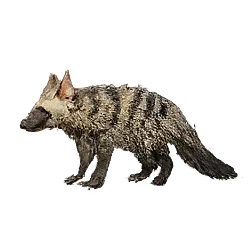
Aardwolf
The aardwolf is a small striped relative of hyenas that feeds mainly on termites rather…
Baca panduan spesies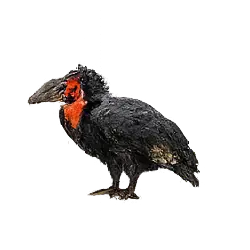
Abyssinian Ground Hornbill
Abyssinian Ground Hornbill is a bird known for bare red facial skin, huge…
Baca panduan spesiesLebih banyak hewan dengan kekuatan Adaptation
Jelajahi semua hewan Adaptation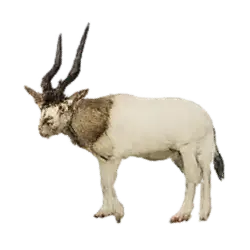
Addax
Addax is a mammal known for pale desert coat, wide spreading hooves, and slow-energy…
Baca panduan spesies
African Civet
African Civet is a mammal known for bold black-and-white pattern, night-active…
Baca panduan spesies
African Jacana
African Jacana is a bird known for extremely long spreading toes, chestnut and black…
Baca panduan spesiesBawa ensiklopedia ke dunia nyata
AnimalDex membantumu memindai hewan nyata, mengidentifikasi spesies, mengoleksi kartu, dan belajar dari alam di mana pun kamu berada.
Comparisons terkait
Lihat bagaimana spesies ini tampil di halaman perbandingan AnimalDex yang terstruktur.
Water Monitor vs June Beetle: Who Actually Wins?
The Water Monitor decisively wins against the June Beetle due to its larger size, superior intelligence, and predatory prowess, allowing it to dominate in various combat scenarios.
Baca halaman comparisonWater Monitor vs Domestic Dog: Who Actually Wins?
In a battle between the Water Monitor and the Domestic Dog, the Water Monitor emerges as the overall winner due to its superior dominance, agility in ambush, and natural predatory capabilities, despite the dog's advantages in speed and intelligence.
Baca halaman comparisonWater Monitor vs Polyphemus Moth: Who Actually Wins?
In the contest between the Water Monitor and the Polyphemus Moth, the Water Monitor decisively takes the lead due to its superior size, dominance, and predatory skills. While the Polyphemus Moth has its own unique adaptations, it simply cannot match the Water Monitor's physical prowess and ecological role as an apex predator.
Baca halaman comparisonWater Monitor vs American Robin: Who Actually Wins?
In a face-off between the Water Monitor and the American Robin, the Water Monitor emerges as the clear winner due to its superior dominance, size, and strength. While the American Robin is agile and cunning, it lacks the physical attributes necessary to compete effectively against the formidable Water Monitor, whose predatory nature and adaptability make it a top contender in this matchup.
Baca halaman comparison