
Panduan lapangan hewan
Binturong
Identifikasi, habitat, rarity, perilaku, simbolisme, fakta, dan pelajaran praktis dari alam.
The Popcorn-Tail Tree Bear. The Binturong uses a grasping tail and shaggy body to climb through treetops with slow confidence and a sweet smell. It shows us that strange combinations can work beautifully.
Nama ilmiah
Arctictis binturong
Kategori
Mammal
Habitat
Lowland tropical forest, hill forest, and mature canopy systems with fruiting trees.
Rarity
Rare · 78/100
Native range
South and Southeast Asia from India to Indonesia and the Philippines in scattered forest populations.
Odd Harmony
Climb strange.
Prehensile-Tail Canopy Climb
Apa yang diajarkannya
Strange combinations work when every piece helps the climb.
Coba
Your mixed strengths seem odd, so you combine them into one useful offer.
Bukti alam
Binturongs are arboreal civets with prehensile tails, slow climbing habits, shaggy bodies, and scent marking known for a popcorn-like smell.
Gunakan untuk
Tangkapan Binturong berperingkat
1 tangkapan berperingkat dalam grup ini dari kolektor AnimalDex.
Lenny
@lendawgZoo · Puffy Cotton Candy Jakarta Aquarium · Near SoHo Podomoro City, West Jakarta, Indonesia
Skor 0
Mengapa Odd Harmony?
Alasan di balik Prinsip Hewan ini dan biologi yang mendukungnya.
The binturong is a shaggy Southeast Asian civet relative with a prehensile tail, arboreal habits, and a fruit-heavy diet that supports seed movement through forests.
Cara mengidentifikasi Binturong
- Heavy black shaggy body with long white whiskers
- Bushy prehensile tail used in climbing support
- Rounded ears with pale fringes and slow deliberate canopy movement
Kenapa Binturong menarik
- Binturongs are visually distinctive yet still widely overlooked outside Southeast Asia.
- Their frugivory makes them important for understanding forest seed movement.
Habitat: Lowland tropical forest, hill forest, and mature canopy systems with fruiting trees.
Native range: South and Southeast Asia from India to Indonesia and the Philippines in scattered forest populations.
nativeRangeCardTitle
nativeRangeCardDescription
Lowland tropical forest, hill forest, and mature canopy systems with fruiting trees.
To find Binturong in the wild, focus on the exact habitat patches that match its body design and daily behavior, not just the broad country where it exists. You usually do better by working one good piece of habitat inside south and Southeast Asia from India to Indonesia and the Philippines in scattered forest populations. than by covering too much ground.
- Forest edge, canopy gaps, fruiting trees, or shaded trails where cover and food meet
- Protected habitat blocks within south and Southeast Asia from India to Indonesia and the Philippines in scattered forest populations.
- Start early, pick one strong patch of habitat, and stay long enough for movement to return after you arrive.
- Work edges, clearings, fruiting trees, and stream crossings rather than walking randomly through dense cover.
- Slow down and scan shapes, outlines, and eye-level silhouettes; many good sightings come from noticing what does not move.
Binturong feeds on fruit, figs, leaves, eggs, insects, and small animals. The diet supports Odd Harmony because the animal is not just eating available food; it is using the food source that makes its principle practical in its own world.
Predators and threats include large cats, pythons, raptors on young, and humans. These pressures reveal why Odd Harmony matters: the lesson becomes real when danger forces the animal to use its best-shaped tools.
Mostly nocturnal or crepuscular, resting in tree forks by day and letting its strange mix of traits work when the canopy quiets.
Often 15 to 20 years or more; Odd Harmony becomes convincing because the odd pieces keep helping the climb over time.
Females usually give birth to one to three young that stay close in the trees, learning that safety comes from grip, scent, and slow canopy judgment.
Females can be slightly larger; both sexes use scent and a gripping tail, making the odd design shared rather than ornamental.
- Climbs and feeds slowly through fruiting trees
- Uses strong scent marking on branches and pathways
- Moves mostly at night but can rest visibly in canopy forks by day
Binturong most often symbolizes odd harmony in AnimalDex because its real survival behavior repeatedly shows this pattern.
Strange combinations work when every piece helps the climb.
Binturongs are arboreal civets with prehensile tails, slow climbing habits, shaggy bodies, and scent marking known for a popcorn-like smell.
- Search upper branches quietly at dawn, dusk, or night with low-intensity light.
- Avoid disturbing resting individuals in rescue centers or wildlife parks.
- Bearcat in common name confusion only
- Large civet
- Dark arboreal mammal silhouette
0/1 XP toward Level 2
statsTitle
statsDescription
statsSourceLabel: statsSourceSpeciesProfile
dominanceStat
59
speedStat
47
sizeStat
40
intelligenceStat
44
rarityStat
78%
Total
268
Size scale
Medium
Uses the canonical size stat for consistent placement






US$235 – US$487
Perkiraan rentang nilai
Kepercayaan 69%
Perkiraan nilai AnimalDex dibuat dari stat spesies kanonik.
Not a marketplace listing.
Perkiraan nilai berdasarkan hewan yang teridentifikasi dan konteks harga yang tersedia. Bukan daftar marketplace.
Seberapa langka Binturong?
Rarity: Rare (78/100)
Binturongs depend on remaining forest cover and are pressured by hunting and habitat loss across much of their range.
Systems Intelligence & Hidden Purpose
Sudut pandang systems biology untuk melihat bagaimana spesies ini dibangun, peran apa yang dijalankannya di ekosistem, dan pelajaran praktis apa yang bisa dipetik manusia.
System Role
The Canopy Seed Courier
Binturong
Specialized Hardware
Prehensile tail support, strong climbing limbs, and fruit-oriented digestive strategy make binturongs effective arboreal transport hardware for tropical forests.
Systems Script
Binturongs help move seeds through forest canopies and edges where fruit availability shapes wildlife traffic. They are not flashy apex actors; they are logistics embedded in fur.
Strategic Insight
Systems often depend on carriers more than stars. Move the valuable material and the structure keeps rebuilding itself.
Public Animal Power
Explore this Animal Power
This is a public capture, so you can explore its Animal Power here. Personal Apex matches and challenges use your Wild Profile and animals you own.
Own an animal with this power to use it in Growth challenges.
Comparison hearts ready
3 of 3 hearts remaining. Each loss removes 1 heart.
✦ Available actions
Compare this public animal when your deck meets the current rules.
⚡CompareUnavailable›Hewan terkait
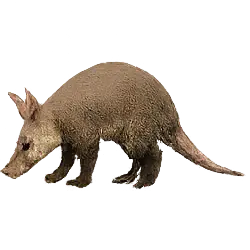
Aardvark
The aardvark is a nocturnal African mammal known for its long snout, strong digging…
Baca panduan spesies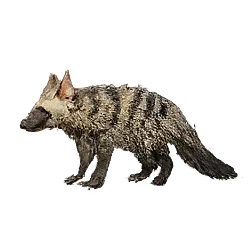
Aardwolf
The aardwolf is a small striped relative of hyenas that feeds mainly on termites rather…
Baca panduan spesies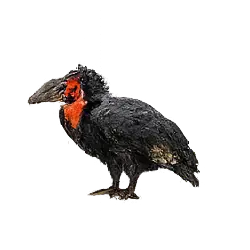
Abyssinian Ground Hornbill
Abyssinian Ground Hornbill is a bird known for bare red facial skin, huge…
Baca panduan spesiesLebih banyak hewan dengan kekuatan Canopy Movement
Jelajahi semua hewan Canopy Movement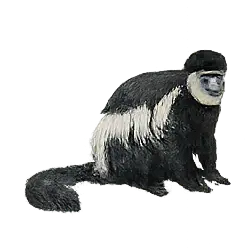
Mantled guereza
Black-and-white Colobus is a primate known for dramatic black-and-white coat, high…
Baca panduan spesies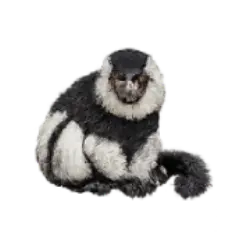
Black-and-white Ruffed Lemur
Black-and-white Ruffed Lemur is a mammal known for black-and-white shaggy coat, loud…
Baca panduan spesies
Emperor Tamarin
Emperor Tamarin is a primate known for long white mustache, tiny branch-running body,…
Baca panduan spesiesBawa ensiklopedia ke dunia nyata
AnimalDex membantumu memindai hewan nyata, mengidentifikasi spesies, mengoleksi kartu, dan belajar dari alam di mana pun kamu berada.