
Panduan lapangan hewan
Black Mamba
Identifikasi, habitat, rarity, perilaku, simbolisme, fakta, dan pelajaran praktis dari alam.
The Lightning Warning Snake. The Black Mamba uses speed and a strong warning display to make danger notice it immediately. It teaches us that a clear boundary can matter more than waiting too long.
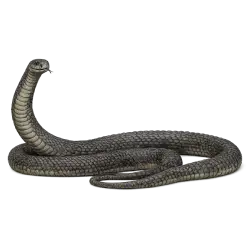
Kartu AnimalDex
Buka kartu hewan ini
Pindai atau tangkap hewan ini dengan AnimalDex untuk membuka kartu koleksi dan menambahkannya ke koleksi satwa liarmu.
Dapatkan AnimalDexNama ilmiah
Dendroaspis polylepis
Kategori
Reptile
Habitat
Savannah, rocky outcrop, woodland edge, and dry river corridor with shelter sites.
Rarity
Uncommon · 59/100
Native range
Sub-Saharan Africa in eastern, central, and southern regions.
Immediate Boundary
Warn without delay.
Open-Mouth Speed Warning
Apa yang diajarkannya
A clear line works best before danger is allowed to settle.
Coba
Someone pushes too far, so you draw the line before things escalate.
Bukti alam
Black Mambas are fast elapids that use threat displays, including raising the body and showing the dark mouth interior, before striking defensively if pressed.
Gunakan untuk
Tangkapan Black Mamba berperingkat
Belum ada tangkapan komunitas berperingkat untuk spesies ini.
Mengapa Immediate Boundary?
Alasan di balik Prinsip Hewan ini dan biologi yang mendukungnya.
The black mamba is a fast, alert African elapid known for large range use, potent venom, and impressive height when threatened.
Cara mengidentifikasi Black Mamba
- Long grey to olive snake with coffin-shaped head
- Interior of the mouth appears inky black during threat display
- Fast smooth movement with head carried well off the ground
Kenapa Black Mamba menarik
- The species is one of Africa’s clearest examples of speed and venom combined in one snake system.
- It is also frequently misunderstood as more aggressive than its usual escape-first behavior suggests.
Habitat: Savannah, rocky outcrop, woodland edge, and dry river corridor with shelter sites.
Native range: Sub-Saharan Africa in eastern, central, and southern regions.
nativeRangeCardTitle
nativeRangeCardDescription
Savannah, rocky outcrop, woodland edge, and dry river corridor with shelter sites.
To find Black Mamba in the wild, focus on the exact habitat patches that match its body design and daily behavior, not just the broad country where it exists. You usually do better by working one good piece of habitat inside sub-Saharan Africa in eastern, central, and southern regions. than by covering too much ground.
- Quiet marsh edges, reedbeds, river bends, or shallow wetland margins
- Forest edge, canopy gaps, fruiting trees, or shaded trails where cover and food meet
- Open grassland edges, lightly wooded plains, or raised ground where you can scan long distances
- First light and late afternoon are often best, when animals come out to feed along the edge of water.
- Work edges, clearings, fruiting trees, and stream crossings rather than walking randomly through dense cover.
- Warm rocks, trail edges, fallen timber, and quiet water margins are usually better than heavily disturbed ground.
Rodents, birds, bats, and small mammals support Immediate Boundary because the snake hunts warm prey while avoiding unnecessary conflict. The diet fits the principle because power is for precise need, not constant aggression.
Mongooses, secretary birds, raptors, humans, and large predators can threaten Black Mambas. Warning display prevents many close fights, making the boundary protective for both sides.
Black Mambas are diurnal, basking and hunting by day. Their rhythm is warm, move, hunt, warn early, and escape when possible.
Black Mambas can live for many years in suitable habitat. Immediate Boundary becomes a repeated survival rule: draw the line early enough that the body does not have to spend its worst power.
Females lay eggs in hidden warm places such as burrows, vegetation, or sheltered cavities. Offspring fit the principle because young snakes must survive by hiding and warning long before they are dominant.
Males and females are broadly similar, though males may grow larger in some cases. The warning principle is shared across the species rather than tied to one sex.
- Uses speed and early detection to avoid conflict when escape is possible
- Hunts small mammals and birds with active searching and ambush
- Returns to favored shelter cracks or hollows
Black Mamba most often symbolizes immediate boundary in AnimalDex because its real survival behavior repeatedly shows this pattern.
A clear line works best before danger is allowed to settle.
Black Mambas are fast elapids that use threat displays, including raising the body and showing the dark mouth interior, before striking defensively if pressed.
- Do not walk into thick rock or bush cover without trained local guidance.
- Back away immediately if a snake is elevated or tracking your movement.
statsTitle
statsDescription
statsSourceLabel: statsSourceSpeciesProfile
dominanceStat
88
speedStat
72
sizeStat
44
intelligenceStat
42
rarityStat
59%
Total
305
Size scale
Large
Uses the canonical size stat for consistent placement

US$235 – US$489
Perkiraan rentang nilai
Kepercayaan 69%
Perkiraan nilai AnimalDex dibuat dari stat spesies kanonik.
Not a marketplace listing.
Perkiraan nilai berdasarkan hewan yang teridentifikasi dan konteks harga yang tersedia. Bukan daftar marketplace.
Seberapa langka Black Mamba?
Rarity: Uncommon (59/100)
Black mambas range widely but are naturally sparse and usually avoided or killed where they overlap closely with people.
Systems Intelligence & Hidden Purpose
Sudut pandang systems biology untuk melihat bagaimana spesies ini dibangun, peran apa yang dijalankannya di ekosistem, dan pelajaran praktis apa yang bisa dipetik manusia.
System Role
The High-Speed Pressure Unit
Black Mamba
Specialized Hardware
Long muscular body, elevated head carriage, and fast-acting venom delivery make black mambas strike hardware optimized for speed, reach, and decisiveness.
Systems Script
Black mambas regulate small mammal and bird populations across dry African landscapes while showing how mobility changes predator geometry. They do not own one hiding place; they own the gap between them.
Strategic Insight
Velocity matters most when it is paired with accuracy and a clear exit route.
Public Animal Power
Explore this Animal Power
This is a public capture, so you can explore its Animal Power here. Personal Apex matches and challenges use your Wild Profile and animals you own.
Own an animal with this power to use it in Growth challenges.
Hewan terkait
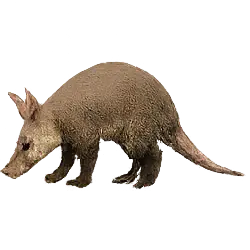
Aardvark
The aardvark is a nocturnal African mammal known for its long snout, strong digging…
Baca panduan spesies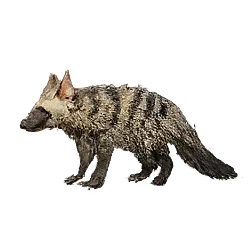
Aardwolf
The aardwolf is a small striped relative of hyenas that feeds mainly on termites rather…
Baca panduan spesies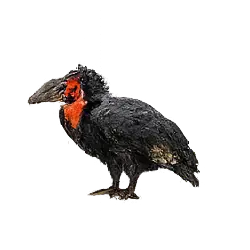
Abyssinian Ground Hornbill
Abyssinian Ground Hornbill is a bird known for bare red facial skin, huge…
Baca panduan spesiesLebih banyak hewan dengan kekuatan Boundaries
Jelajahi semua hewan Boundaries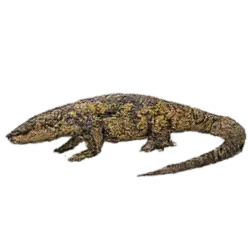
Ackie Monitor
Ackie Monitor is a reptile known for spiny defensive tail, compact muscular monitor…
Baca panduan spesies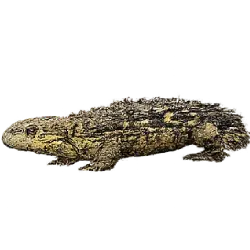
Armadillo Girdled Lizard
Armadillo Girdled Lizard is a reptile known for armor-like spiny scales, tail-grabbing…
Baca panduan spesies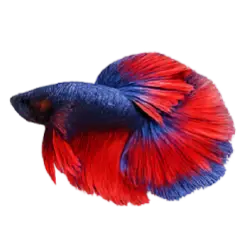
Betta
The Betta teaches Territorial Display through color, fins, bubbles, and boundary. Male…
Baca panduan spesiesBawa ensiklopedia ke dunia nyata
AnimalDex membantumu memindai hewan nyata, mengidentifikasi spesies, mengoleksi kartu, dan belajar dari alam di mana pun kamu berada.
Comparisons terkait
Lihat bagaimana spesies ini tampil di halaman perbandingan AnimalDex yang terstruktur.
Black Mamba vs Wolverine: Which Dangerous Animal Has the Edge?
Black mamba gets the slight overall edge because the first-strike venom threat is so strong. Wolverine remains fully live because it is unusually hard to intimidate and excellent at ugly contact once it closes.
Baca halaman comparisonJaguar vs Black Mamba: Which Dangerous Animal Has the Edge?
Jaguar gets the slight overall edge because one clean cat strike can end the fight fast. Black mamba stays fully dangerous because the first venom event could still decide everything before the cat gets stable contact.
Baca halaman comparisonKing Cobra vs Black Mamba: Which Snake Has the Edge?
King cobra gets the slight overall edge because it is built to handle other snakes and can fight from a high controlled posture. Black mamba remains terrifying through speed, strike delivery, and lethal venom.
Baca halaman comparisonKomodo Dragon vs Black Mamba: Which Dangerous Reptile Has the Edge?
Komodo dragon gets the slight overall edge because the size and direct-contact threat are so overwhelming once the mamba is caught. Black mamba stays extremely dangerous because its first-strike speed is the clearest single interrupt on the page.
Baca halaman comparisonMuncul di tier list
Lihat posisi spesies ini di halaman tier list AnimalDex yang dibangun dengan perbandingan terstruktur dan metodologi yang jelas.
#2 · Reputation
Most Reviled Animals in the World: Top 100 Tier List
Black mamba stays near the top because speed, venom, and mythic fear all compound into a brutally negative public image.
Baca tier list#3 · Fatality
Deadliest Animals to Humans in the Wild: Top 100 Tier List
Black mamba ranks highly because its venom and speed make it one of the most feared direct-fatality snake encounters.
Baca tier list#5 · Danger
Most Dangerous Animals in the World: Top 250 Tier List
Black mamba stays iconic for exactly the reason you would expect: speed plus extremely dangerous venom.
Baca tier list