
Panduan lapangan hewan
Clownfish
Identifikasi, habitat, rarity, perilaku, simbolisme, fakta, dan pelajaran praktis dari alam.
The Prickly Home Hero. The Clownfish slips through the waving stinging arms of a sea anemone and turns that prickly place into a safe home. It shows us that understanding a hard place can help us turn danger into shelter.
Nama ilmiah
Amphiprion ocellaris
Kategori
Marine fish
Habitat
Warm shallow coral reefs and lagoon systems with host anemones.
Rarity
Relatively common · 36/100
Native range
Indo-Pacific region including Southeast Asia and northern Australia.
Symbiosis
Live with the sting.
Anemone-Shelter Immunity
Apa yang diajarkannya
Danger becomes home when you learn the terms of living with it.
Coba
A risky job becomes manageable, so you learn the rules before entering it.
Bukti alam
Clownfish live among sea anemone tentacles, gaining protection from predators while the anemone may receive cleaning, nutrients, or defense. Their mucus helps them avoid being stung.
Gunakan untuk
Tangkapan Clownfish berperingkat
2 tangkapan berperingkat dalam grup ini dari kolektor AnimalDex.
Mengapa Symbiosis?
Alasan di balik Prinsip Hewan ini dan biologi yang mendukungnya.
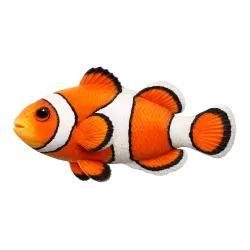
Clownfish are reef fish known for bold orange-and-white patterning and their protective mutualism with sea anemones.
Cara mengidentifikasi Clownfish
- Bright orange body with three white bands edged in black
- Small oval fish often hovering around a single anemone
- Quick darting movement back into tentacle cover
Kenapa Clownfish menarik
- Clownfish are among the clearest examples of marine mutualism visible to general audiences.
- Their reef association makes habitat damage immediately relevant to species behavior.
Habitat: Warm shallow coral reefs and lagoon systems with host anemones.
Native range: Indo-Pacific region including Southeast Asia and northern Australia.
nativeRangeCardTitle
nativeRangeCardDescription
Warm shallow coral reefs and lagoon systems with host anemones.
To find Clownfish in the wild, focus on the exact habitat patches that match its body design and daily behavior, not just the broad country where it exists. You usually do better by working one good piece of habitat inside indo-Pacific region including Southeast Asia and northern Australia. than by covering too much ground.
- Quiet marsh edges, reedbeds, river bends, or shallow wetland margins
- Headlands, reef edges, island colonies, tidal channels, or productive coastal water
- Protected habitat blocks within indo-Pacific region including Southeast Asia and northern Australia.
- Start early, pick one strong patch of habitat, and stay long enough for movement to return after you arrive.
- Watch the transition line between open water and cover, because feeding and movement often happen on that edge.
- Choose a viewing point with clean light and water visibility, then watch for repeated surfacing, feeding, or current lines.
Algae, plankton, small crustaceans, leftover prey, and anemone-associated food support Symbiosis because the fish feeds while staying close to its protective partner.
Larger fish, eels, and reef predators threaten clownfish outside the anemone. The sting-filled shelter changes the danger map and makes closeness protective.
Clownfish are diurnal, active around the anemone by day and sheltering among tentacles at night. Their rhythm stays tied to the home that protects them.
Clownfish can live for many years in protected reef conditions. Symbiosis becomes stronger with stable host anemones because the same dangerous shelter can protect many daily cycles.
Females lay eggs on hard surfaces near the anemone, and males commonly guard and fan the eggs. Offspring make the shelter relationship practical because the next generation begins beside the same sting-filled home.
Clownfish are sequential hermaphrodites: the dominant breeding individual is female, with a breeding male below her. Sex roles are directly tied to hierarchy and the anemone home.
- Lives within and around a host anemone for shelter
- Maintains social rank systems tied to body size
- Defends local anemone territory against small intruders
Clownfish most often symbolizes symbiosis in AnimalDex because its real survival behavior repeatedly shows this pattern.
Danger becomes home when you learn the terms of living with it.
Clownfish live among sea anemone tentacles, gaining protection from predators while the anemone may receive cleaning, nutrients, or defense. Their mucus helps them avoid being stung.
- Do not tap or hover directly over host anemones during dives.
- Avoid flash bursts at very close range on nesting pairs.
- Other anemonefish
- Damselfish at distance
- Juvenile butterflyfish in quick reef views
0/1 XP toward Level 2
statsTitle
statsDescription
statsSourceLabel: statsSourceSpeciesProfile
dominanceStat
24
speedStat
24
sizeStat
6
intelligenceStat
28
rarityStat
36%
Total
118
Size scale
Tiny
Uses the canonical size stat for consistent placement

US$67 – US$139
Perkiraan rentang nilai
Kepercayaan 69%
Perkiraan nilai AnimalDex dibuat dari stat spesies kanonik.
Not a marketplace listing.
Perkiraan nilai berdasarkan hewan yang teridentifikasi dan konteks harga yang tersedia. Bukan daftar marketplace.
Seberapa langka Clownfish?
Rarity: Relatively common (36/100)
Clownfish are common where healthy anemone hosts and reef habitat remain intact.
Systems Intelligence & Hidden Purpose
Sudut pandang systems biology untuk melihat bagaimana spesies ini dibangun, peran apa yang dijalankannya di ekosistem, dan pelajaran praktis apa yang bisa dipetik manusia.
System Role
The Mutualism Tenant
Clownfish
Specialized Hardware
Protective mucus coating, maneuverable reef swimming, and social hierarchy make clownfish reef hardware built for living inside another species' defenses.
Systems Script
Clownfish turn sea anemones into fortified homes while providing cleaning and nutrient benefits in return. Their niche works because partnership is the architecture, not an optional extra.
Strategic Insight
A strong alliance is not decorative. It should change what each side can survive.
Public Animal Power
Explore this Animal Power
This is a public capture, so you can explore its Animal Power here. Personal Apex matches and challenges use your Wild Profile and animals you own.
Own an animal with this power to use it in Growth challenges.
Comparison hearts ready
3 of 3 hearts remaining. Each loss removes 1 heart.
✦ Available actions
Compare this public animal when your deck meets the current rules.
⚡CompareUnavailable›Hewan terkait
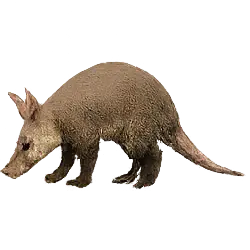
Aardvark
The aardvark is a nocturnal African mammal known for its long snout, strong digging…
Baca panduan spesies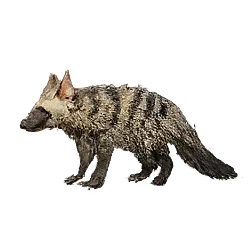
Aardwolf
The aardwolf is a small striped relative of hyenas that feeds mainly on termites rather…
Baca panduan spesies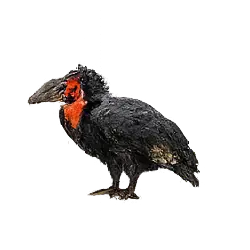
Abyssinian Ground Hornbill
Abyssinian Ground Hornbill is a bird known for bare red facial skin, huge…
Baca panduan spesiesLebih banyak hewan dengan kekuatan Fit
Jelajahi semua hewan Fit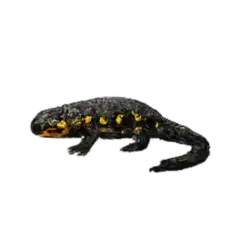
Alpine Salamander
Alpine Salamander is a amphibian known for glossy black mountain body, live-bearing…
Baca panduan spesies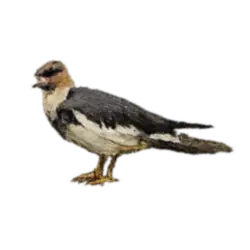
Andean Lapwing
Andean Lapwing is a bird known for smoky gray body, pink legs, and sharp upland alarm…
Baca panduan spesies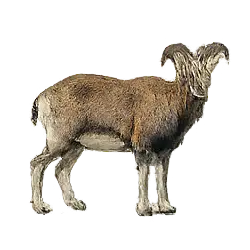
Bharal
Bharal is a mammal known for blue-gray mountain coat, cliff-climbing agility, and mixed…
Baca panduan spesiesBawa ensiklopedia ke dunia nyata
AnimalDex membantumu memindai hewan nyata, mengidentifikasi spesies, mengoleksi kartu, dan belajar dari alam di mana pun kamu berada.