
Panduan lapangan hewan
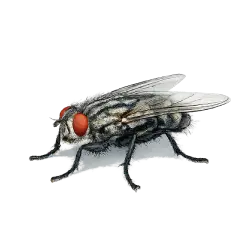
Common Flesh Fly
Identifikasi, habitat, rarity, perilaku, simbolisme, fakta, dan pelajaran praktis dari alam.
Common Flesh Flies are small but important cleanup insects. Their gray-striped bodies, quick flight, and carrion-linked life cycle let them find temporary resources fast, turn decay into larval growth, and disappear before danger catches up.
Nama ilmiah
Sarcophaga carnaria
Kategori
Invertebrate
Habitat
Open habitats, gardens, farms, urban edges, woodland edges, and places where decaying organic matter or carrion is available.
Rarity
Relatively common · 18/100
Native range
Open habitats, gardens, farms, urban edges, woodland edges, and places where decaying organic matter or carrion is available.
Opportunity Recycling
Use the window.
Carrion-Window Resource Conversion
Apa yang diajarkannya
Some opportunities do not last long. Notice them quickly, arrive prepared, and turn what others avoid into useful momentum.
Coba
Use Common Flesh Fly energy when the useful work is not glamorous: identify the temporary opening, move quickly, and convert neglected material into progress before the window closes.
Bukti alam
Common Flesh Flies use fast detection and rapid reproduction around carrion or decaying organic matter. Their larvae develop on temporary resources that disappear quickly, so the animal’s power is timing, conversion, and tolerance for messy but useful openings.
Gunakan untuk
Tangkapan Common Flesh Fly berperingkat
1 tangkapan berperingkat dalam grup ini dari kolektor AnimalDex.
Lenny
@lendawgWild · intuisi Aquarium ( Jakarta aquarium ) · Near Java, West Jakarta, Indonesia
Skor 0
Mengapa Opportunity Recycling?
Alasan di balik Prinsip Hewan ini dan biologi yang mendukungnya.
Common Flesh Flies are small but important cleanup insects. Their gray-striped bodies, quick flight, and carrion-linked life cycle let them find temporary resources fast, turn decay into larval growth, and disappear before danger catches up.
Cara mengidentifikasi Common Flesh Fly
- gray striped thorax
- checker-patterned abdomen
- rapid flight
- carrion-linked breeding
- short-window resource use
Kenapa Common Flesh Fly menarik
- Flesh flies are strongly associated with carrion, dung, wounds, or decaying organic matter depending on species and context.
- Many flesh flies deposit larvae rather than simple eggs, giving the young a faster start on temporary food sources.
- Their cleanup role makes them ecologically useful even when people find them unpleasant.
Habitat: Open habitats, gardens, farms, urban edges, woodland edges, and places where decaying organic matter or carrion is available.
Native range: Open habitats, gardens, farms, urban edges, woodland edges, and places where decaying organic matter or carrion is available.
To find Common Flesh Fly in the wild, focus on the exact habitat patches that match its body design and daily behavior, not just the broad country where it exists. You usually do better by working one good piece of habitat inside open habitats, gardens, farms, urban edges, woodland edges, and places where decaying organic matter or carrion is available. than by covering too much ground.
- Forest edge, canopy gaps, fruiting trees, or shaded trails where cover and food meet
- Protected habitat blocks within open habitats, gardens, farms, urban edges, woodland edges, and places where decaying organic matter or carrion is available.
- Start early, pick one strong patch of habitat, and stay long enough for movement to return after you arrive.
- Work edges, clearings, fruiting trees, and stream crossings rather than walking randomly through dense cover.
- Slow down and scan shapes, outlines, and eye-level silhouettes; many good sightings come from noticing what does not move.
Adults feed on liquids such as nectar, sap, and fluids from decaying matter; larvae develop on carrion or other rich organic material.
Predators include birds, spiders, predatory insects, frogs, lizards, and other small insect-eaters.
Diurnal; most active in daylight and warmer conditions.
Usually short-lived as adults, often measured in weeks depending on conditions.
Females locate suitable organic material and often deposit live larvae, giving offspring immediate access to food.
Males and females are similar at a glance, though close inspection of body shape and terminal structures can separate them.
- gray striped thorax
- checker-patterned abdomen
- rapid flight
- carrion-linked breeding
- short-window resource use
Common Flesh Fly most often symbolizes opportunity recycling in AnimalDex because its real survival behavior repeatedly shows this pattern.
Some opportunities do not last long. Notice them quickly, arrive prepared, and turn what others avoid into useful momentum.
Common Flesh Flies use fast detection and rapid reproduction around carrion or decaying organic matter. Their larvae develop on temporary resources that disappear quickly, so the animal’s power is timing, conversion, and tolerance for messy but useful openings.
- Observe from a respectful distance and avoid changing the animal's behavior.
- Do not block feeding, shelter, nesting, or travel routes.
- Use a live camera capture without handling or staging wildlife.
0/1 XP toward Level 2
statsTitle
statsDescription
statsSourceLabel: statsSourceSpeciesProfile
dominanceStat
30
speedStat
48
sizeStat
3
intelligenceStat
28
rarityStat
18%
Total
127
Size scale
Microscopic edge
Uses the canonical size stat for consistent placement

US$56 – US$116
Perkiraan rentang nilai
Kepercayaan 69%
Perkiraan nilai AnimalDex dibuat dari stat spesies kanonik.
Not a marketplace listing.
Perkiraan nilai berdasarkan hewan yang teridentifikasi dan konteks harga yang tersedia. Bukan daftar marketplace.
Seberapa langka Common Flesh Fly?
Rarity: Relatively common (18/100)
AnimalDex canonical rarity score: 18/100, maintained by the live indexed species profile.
Public Animal Power
Explore this Animal Power
This is a public capture, so you can explore its Animal Power here. Personal Apex matches and challenges use your Wild Profile and animals you own.
Own an animal with this power to use it in Growth challenges.
Comparison hearts ready
3 of 3 hearts remaining. Each loss removes 1 heart.
✦ Available actions
Compare this public animal when your deck meets the current rules.
⚡CompareUnavailable›Hewan terkait

American Cockroach
American cockroach teaches Survivability through its real biology: Cockroaches adapt to…
Baca panduan spesies
Asian weaver ant
Asian Weaver Ant teaches Collective Construction because no single ant can fold a tree…
Baca panduan spesies
Band-eyed Drone Fly
The Striped Hoverer. Eristalinus taeniops, known for its strikingly striped eyes, is a…
Baca panduan spesiesLebih banyak hewan dengan kekuatan Timing
Jelajahi semua hewan Timing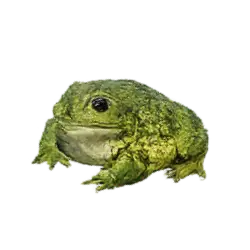
African Bullfrog
African Bullfrog is a amphibian known for huge frog body, powerful bite, and burrowing…
Baca panduan spesies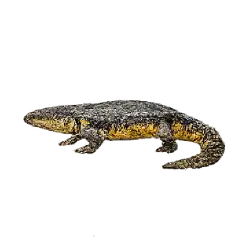
Alpine Newt
Alpine Newt is a amphibian known for orange belly in breeding season, smooth pond-ready…
Baca panduan spesies
American Robin
American Robin teaches Seasonal Signal because its real biology turns lawn-foraging…
Baca panduan spesiesBawa ensiklopedia ke dunia nyata
AnimalDex membantumu memindai hewan nyata, mengidentifikasi spesies, mengoleksi kartu, dan belajar dari alam di mana pun kamu berada.