
Panduan lapangan hewan
Crab
Identifikasi, habitat, rarity, perilaku, simbolisme, fakta, dan pelajaran praktis dari alam.
The Sideways Scuttler. The small white crab is a master of the sideways shuffle, a unique movement that has fascinated cultures for centuries. This sideways walk has been seen as a symbol of the sun's indirect path across the sky, especially during solstices when the sun appears to 'crab' sideways. These crabs are equipped with powerful claws that they use to dig burrows in the sand, creating a safe haven from predators and the harsh sun. Their strategy is to use these burrows as both a home and a trap, as they can quickly retreat into them when threatened. This clever use of their environment allows them to stay safe while still being able to forage for food along the beach, making the most of their unique sideways approach.
Nama ilmiah
Brachyura
Kategori
Crustacean
Habitat
reef, shore, estuary, mangrove, riverbank, and seabed
Rarity
Relatively common · 42/100
Native range
Marine and freshwater systems worldwide
Efficiency
Preserve energy for decisive moves.
Apa yang diajarkannya
You do not always need elegant forward speed. In messy environments, armor, leverage, and the ability to move through narrow edges can be the real advantage.
Bukti alam
Hard carapace, jointed sideways gait, and claw-based feeding and signaling make crabs versatile hardware for cluttered tidal and shoreline environments. Crabs turn reef cracks, mudflats, mangroves, and rocky edges into active feeding and recycling zones. They process waste, prey on smaller animals, and convert hard surfaces into inhabited economic space.
Gunakan untuk
Tangkapan Crab berperingkat
3 tangkapan berperingkat dalam grup ini dari kolektor AnimalDex.
Mengapa Efficiency?
Alasan di balik Prinsip Hewan ini dan biologi yang mendukungnya.
Crab is a crustacean known for sideways-walking body plan, hard protective carapace, and front claws for feeding and defense.
Cara mengidentifikasi Crab
- sideways-walking body plan
- hard protective carapace
- front claws for feeding and defense
- Often associated with reef, shore, estuary, mangrove, riverbank, and seabed
Kenapa Crab menarik
- Crab is a useful example of how anatomy and habitat fit together as one survival system.
- Its shape, movement style, and food strategy make it easy to compare with related animals.
- This species turns one page into a lesson about adaptation, ecosystem role, and identification.
Habitat: reef, shore, estuary, mangrove, riverbank, and seabed
Native range: Marine and freshwater systems worldwide
To find Crab in the wild, focus on the exact habitat patches that match its body design and daily behavior, not just the broad country where it exists. You usually do better by working one good piece of habitat inside marine and freshwater systems worldwide than by covering too much ground.
- Quiet marsh edges, reedbeds, river bends, or shallow wetland margins
- Headlands, reef edges, island colonies, tidal channels, or productive coastal water
- Protected habitat blocks within marine and freshwater systems worldwide
- First light and late afternoon are often best, when animals come out to feed along the edge of water.
- Watch the transition line between open water and cover, because feeding and movement often happen on that edge.
- Move quietly, stop often, and give the habitat time to settle; many mammals and insects show themselves only after the first pause.
Crab eats the foods its body design and habitat make easiest to access. Diet can shift across seasons, life stages, and local competition.
- The most accessible prey or plant foods in its habitat
- Energy-rich foods that match its size and behavior
- Seasonal resources available in the local environment
A practical answer for Crab always depends on what food is actually available in reef, shore, estuary, mangrove, riverbank, and seabed.
- Crab adjusts movement and feeding to match light, temperature, and food access in its habitat.
- Body design, timing, and shelter choices all help this species stay effective in the wild.
- Patient observation usually reveals more behavior than close approach or fast movement.
Crab most often symbolizes efficiency in AnimalDex because its real survival behavior repeatedly shows this pattern.
You do not always need elegant forward speed. In messy environments, armor, leverage, and the ability to move through narrow edges can be the real advantage.
Hard carapace, jointed sideways gait, and claw-based feeding and signaling make crabs versatile hardware for cluttered tidal and shoreline environments. Crabs turn reef cracks, mudflats, mangroves, and rocky edges into active feeding and recycling zones. They process waste, prey on smaller animals, and convert hard surfaces into inhabited economic space.
- Keep distance and let the animal choose the space.
- Avoid blocking movement routes, nesting areas, or feeding behavior.
- Use optics, patience, and quiet observation instead of crowding for a closer view.
- Regional relatives may look similar at a distance.
- Juveniles, adults, and seasonal forms can differ in color or size.
- Light, angle, and habitat context can change how field marks appear.
0/1 XP toward Level 2
statsTitle
statsDescription
statsSourceLabel: statsSourceSpeciesProfile
dominanceStat
46
speedStat
42
sizeStat
12
intelligenceStat
36
rarityStat
42%
Total
178
Size scale
Small
Uses the canonical size stat for consistent placement


US$108 – US$224
Perkiraan rentang nilai
Kepercayaan 60%
Perkiraan nilai AnimalDex dibuat dari stat spesies kanonik.
Not a marketplace listing.
Perkiraan nilai berdasarkan hewan yang teridentifikasi dan konteks harga yang tersedia. Bukan daftar marketplace.
Seberapa langka Crab?
Rarity: Relatively common (42/100)
Crab remains fairly widespread where reef, shore, estuary, mangrove, riverbank, and seabed is still available.
Systems Intelligence & Hidden Purpose
Sudut pandang systems biology untuk melihat bagaimana spesies ini dibangun, peran apa yang dijalankannya di ekosistem, dan pelajaran praktis apa yang bisa dipetik manusia.
System Role
The Edge-Armor Opportunist
Crab
Specialized Hardware
Hard carapace, jointed sideways gait, and claw-based feeding and signaling make crabs versatile hardware for cluttered tidal and shoreline environments.
Systems Script
Crabs turn reef cracks, mudflats, mangroves, and rocky edges into active feeding and recycling zones. They process waste, prey on smaller animals, and convert hard surfaces into inhabited economic space.
Strategic Insight
You do not always need elegant forward speed. In messy environments, armor, leverage, and the ability to move through narrow edges can be the real advantage.
Public Animal Power
Explore this Animal Power
This is a public capture, so you can explore its Animal Power here. Personal Apex matches and challenges use your Wild Profile and animals you own.
Own an animal with this power to use it in Growth challenges.
Comparison hearts ready
3 of 3 hearts remaining. Each loss removes 1 heart.
✦ Available actions
Compare this public animal when your deck meets the current rules.
⚡CompareUnavailable›Hewan terkait
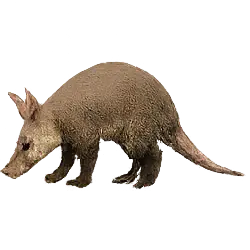
Aardvark
The aardvark is a nocturnal African mammal known for its long snout, strong digging…
Baca panduan spesies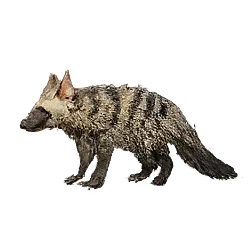
Aardwolf
The aardwolf is a small striped relative of hyenas that feeds mainly on termites rather…
Baca panduan spesies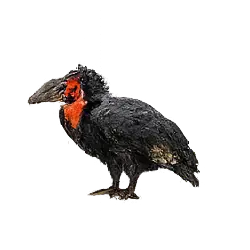
Abyssinian Ground Hornbill
Abyssinian Ground Hornbill is a bird known for bare red facial skin, huge…
Baca panduan spesiesLebih banyak hewan dengan kekuatan Energy Management
Jelajahi semua hewan Energy Management
Burrowing Parrot
Burrowing Parrot is a bird known for cliff-tunneling nest habit, long-distance flock…
Baca panduan spesies
Central American Agouti
Central American Agouti is a mammal known for fast rodent runner, seed-burying forest…
Baca panduan spesies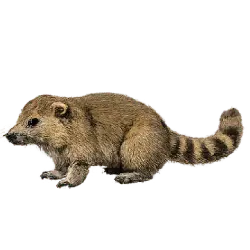
Coati
Coati is a mammal known for long flexible nose, ringed balancing tail, and social…
Baca panduan spesiesBawa ensiklopedia ke dunia nyata
AnimalDex membantumu memindai hewan nyata, mengidentifikasi spesies, mengoleksi kartu, dan belajar dari alam di mana pun kamu berada.
Comparisons terkait
Lihat bagaimana spesies ini tampil di halaman perbandingan AnimalDex yang terstruktur.
Octopus vs Crab: Which Sea Fighter Has the Better Edge?
Octopus usually has the edge because intelligence, flexibility, and grip-based control are excellent answers to a crab's shell and claws. Crab still becomes dangerous in tight defensive terrain where armor and pinch range matter more.
Baca halaman comparison