
Panduan lapangan hewan
Domestic Chicken
Identifikasi, habitat, rarity, perilaku, simbolisme, fakta, dan pelajaran praktis dari alam.
The Egg Layer Extraordinaire. The domestic chicken, Gallus gallus domesticus, is a marvel of evolutionary efficiency. With a lineage tracing back to the wild red junglefowl, these birds have been companions to humans for thousands of years, providing a reliable source of protein through their prolific egg-laying abilities. In many cultures, the rooster's crow has been a natural alarm clock, heralding the dawn and marking the passage of time. Chickens have a unique ability to convert feed into eggs with remarkable efficiency, laying one nearly every day. This trait makes them an indispensable part of backyard farms and large-scale agriculture alike. Their strategy is simple yet effective: by focusing energy on egg production, they ensure a steady supply of nourishment, making them a cornerstone of human sustenance.
Nama ilmiah
Gallus gallus domesticus
Kategori
Bird
Habitat
farmyard, village edge, garden, and managed grass run
Rarity
Relatively common · 12/100
Native range
Domestic worldwide
Consistency
Scratch every day.
Scratch-and-Peck Foraging
Apa yang diajarkannya
What looks small each day becomes powerful when it never stops.
Coba
Progress feels boring, so you repeat the small habit that keeps paying off.
Bukti alam
Chickens forage by scratching soil, leaf litter, and loose ground with their feet, then pecking at exposed seeds, insects, grit, and other edible material.
Gunakan untuk
Tangkapan Domestic Chicken berperingkat
12 tangkapan berperingkat dalam grup ini dari kolektor AnimalDex.
Wafflemuncher
@wafflemuncher221Farm · Sass Family Farm · Riverside, Washington County, IA, United States
Skor 0
Mengapa Consistency?
Alasan di balik Prinsip Hewan ini dan biologi yang mendukungnya.
Chicken is a bird known for short rounded bill, ground-scratching feet, and dense barnyard flock behavior.
Cara mengidentifikasi Domestic Chicken
- short rounded bill
- ground-scratching feet
- dense barnyard flock behavior
- Often associated with farmyard, village edge, garden, and managed grass run
Kenapa Domestic Chicken menarik
- Chicken is a useful example of how anatomy and habitat fit together as one survival system.
- Its shape, movement style, and food strategy make it easy to compare with related animals.
- This species turns one page into a lesson about adaptation, ecosystem role, and identification.
Habitat: farmyard, village edge, garden, and managed grass run
Native range: Domestic worldwide
To find Domestic Chicken in the wild, focus on the exact habitat patches that match its body design and daily behavior, not just the broad country where it exists. You usually do better by working one good piece of habitat inside domestic worldwide than by covering too much ground.
- Farmyard, village edge, garden
- Protected habitat blocks within domestic worldwide
- Start early, pick one strong patch of habitat, and stay long enough for movement to return after you arrive.
- Look for food, cover, and movement routes in the same place, because the best sightings usually happen where those overlap.
- Use sound, flight lines, and perch trees as clues; birds often reveal themselves before they sit in the open.
Grain, seeds, insects, greens, grit, and scraps support the principle because the animal's feeding method shows how it turns available resources into survival instead of chasing a mismatched life.
Diurnal, roosting at night fits because its activity rhythm places effort when the animal has the best chance to feed, avoid danger, or communicate clearly.
5 to 10 years depending on breed and care fits the lesson because the pace of life matches the animal's strategy: some succeed through quick seasonal timing, others through durable patience.
Hens lay eggs and may brood chicks fit the creator-why because reproduction places the next generation where the same survival strategy can begin again.
Roosters have larger combs, wattles, spurs, and stronger display. This matters because sex differences either create obvious signals or show that behavior, age, and place are more important than display.
- Chicken adjusts movement and feeding to match light, temperature, and food access in its habitat.
- Body design, timing, and shelter choices all help this species stay effective in the wild.
- Patient observation usually reveals more behavior than close approach or fast movement.
Domestic Chicken most often symbolizes consistency in AnimalDex because its real survival behavior repeatedly shows this pattern.
What looks small each day becomes powerful when it never stops.
Chickens forage by scratching soil, leaf litter, and loose ground with their feet, then pecking at exposed seeds, insects, grit, and other edible material.
- Keep distance and let the animal choose the space.
- Avoid blocking movement routes, nesting areas, or feeding behavior.
- Use optics, patience, and quiet observation instead of crowding for a closer view.
- Regional relatives may look similar at a distance.
- Juveniles, adults, and seasonal forms can differ in color or size.
- Light, angle, and habitat context can change how field marks appear.
0/1 XP toward Level 2
statsTitle
statsDescription
statsSourceLabel: statsSourceSpeciesProfile
dominanceStat
24
speedStat
34
sizeStat
18
intelligenceStat
35
rarityStat
12%
Total
123
Size scale
Small
Uses the canonical size stat for consistent placement





US$500 – US$3.200
Perkiraan rentang nilai
Kepercayaan 69%
Perkiraan nilai AnimalDex dibuat dari stat spesies kanonik.
Not a marketplace listing.
Perkiraan nilai berdasarkan hewan yang teridentifikasi dan konteks harga yang tersedia. Bukan daftar marketplace.
Seberapa langka Domestic Chicken?
Rarity: Relatively common (12/100)
Chicken remains fairly widespread where farmyard, village edge, garden, and managed grass run is still available.
Public Animal Power
Explore this Animal Power
This is a public capture, so you can explore its Animal Power here. Personal Apex matches and challenges use your Wild Profile and animals you own.
Own an animal with this power to use it in Growth challenges.
Comparison hearts ready
3 of 3 hearts remaining. Each loss removes 1 heart.
✦ Available actions
Compare this public animal when your deck meets the current rules.
⚡CompareUnavailable›Hewan terkait
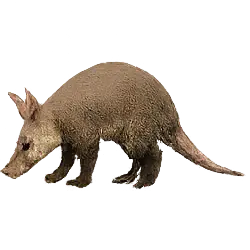
Aardvark
The aardvark is a nocturnal African mammal known for its long snout, strong digging…
Baca panduan spesies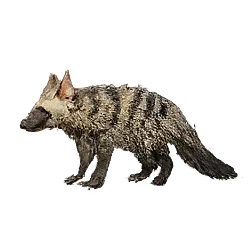
Aardwolf
The aardwolf is a small striped relative of hyenas that feeds mainly on termites rather…
Baca panduan spesies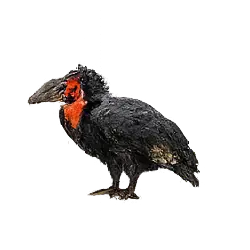
Abyssinian Ground Hornbill
Abyssinian Ground Hornbill is a bird known for bare red facial skin, huge…
Baca panduan spesiesLebih banyak hewan dengan kekuatan Learning
Jelajahi semua hewan Learning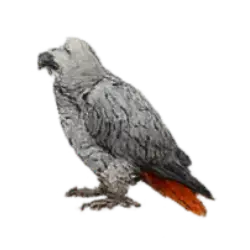
African Grey Parrot
The African grey parrot is a highly intelligent parrot known for gray plumage, red…
Baca panduan spesies
Broad-bodied Chaser
Dragonfly teaches Fast Focus because its real biology turns broad-bodied aerial hunter…
Baca panduan spesies
Budgerigar
Budgerigar teaches Social Mimicry because its real biology turns small flock parrot…
Baca panduan spesiesBawa ensiklopedia ke dunia nyata
AnimalDex membantumu memindai hewan nyata, mengidentifikasi spesies, mengoleksi kartu, dan belajar dari alam di mana pun kamu berada.
Comparisons terkait
Lihat bagaimana spesies ini tampil di halaman perbandingan AnimalDex yang terstruktur.
Siberian Husky vs Domestic Chicken: Who Comes Out on Top?
In a head-to-head comparison, the Siberian Husky clearly takes the win over the Domestic Chicken due to its superior physical attributes, agility, and predatory instincts. While the chicken is a remarkable creature with its own unique defenses, it simply lacks the strength and speed to compete with the Husky's capabilities.
Baca halaman comparison