
Panduan lapangan hewan
Eastern Bettong
Identifikasi, habitat, rarity, perilaku, simbolisme, fakta, dan pelajaran praktis dari alam.
The Eastern Bettong is busy shelter made biological. Its night digging and grass nest building turns ordinary survival into a clear AnimalDex lesson: the body succeeds because its shape, rhythm, and setting all support the same strategy.
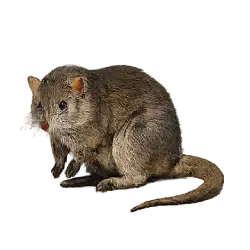
Kartu AnimalDex
Buka kartu hewan ini
Pindai atau tangkap hewan ini dengan AnimalDex untuk membuka kartu koleksi dan menambahkannya ke koleksi satwa liarmu.
Dapatkan AnimalDexNama ilmiah
Bettongia gaimardi
Kategori
Animal
Habitat
Eastern Bettongs usually live in Tasmanian dry forests, grasslands, and open woodland. This habitat fits Busy Shelter because the animal's lesson only makes sense in the place that shaped its movement, defenses, and daily choices.
Rarity
Rare · 72/100
Native range
Eastern Bettongs usually live in Tasmanian dry forests, grasslands, and open woodland. This habitat fits Busy Shelter because the animal's lesson only makes sense in the place that shaped its movement, defenses, and daily choices.
Busy Shelter
Nest after dark.
Night-Dig Nest Building
Apa yang diajarkannya
Safety is built by small habits repeated after dark.
Coba
Your week feels messy, so you rebuild one small evening habit.
Bukti alam
Eastern Bettongs are nocturnal marsupials that dig for fungi and other foods and build grassy nests for shelter.
Gunakan untuk
Tangkapan Eastern Bettong berperingkat
Belum ada tangkapan komunitas berperingkat untuk spesies ini.
Mengapa Busy Shelter?
Alasan di balik Prinsip Hewan ini dan biologi yang mendukungnya.
The Eastern Bettong is busy shelter made biological. Its night digging and grass nest building turns ordinary survival into a clear AnimalDex lesson: the body succeeds because its shape, rhythm, and setting all support the same strategy.
Cara mengidentifikasi Eastern Bettong
- Night digging and grass nest building
- Adapted to Tasmanian dry forests
- Behavior shaped by its niche
- A body plan that makes the principle visible
Kenapa Eastern Bettong menarik
- Eastern Bettongs are closely tied to Tasmanian dry forests, grasslands, and open woodland.
- Their food is mainly fungi, roots, seeds, tubers, and insects.
- Major pressures include foxes, cats, dogs, owls, and habitat loss.
- The principle of Busy Shelter comes from real survival work, not just appearance.
Habitat: Eastern Bettongs usually live in Tasmanian dry forests, grasslands, and open woodland. This habitat fits Busy Shelter because the animal's lesson only makes sense in the place that shaped its movement, defenses, and daily choices.
Native range: Eastern Bettongs usually live in Tasmanian dry forests, grasslands, and open woodland. This habitat fits Busy Shelter because the animal's lesson only makes sense in the place that shaped its movement, defenses, and daily choices.
nativeRangeCardTitle
nativeRangeCardDescription
nativeRangeMissingAssets
Eastern Bettongs usually live in Tasmanian dry forests, grasslands, and open woodland. This habitat fits Busy Shelter because the animal's lesson only makes sense in the place that shaped its movement, defenses, and daily choices.
To find Eastern Bettong in the wild, focus on the exact habitat patches that match its body design and daily behavior, not just the broad country where it exists. You usually do better by working one good piece of habitat inside eastern Bettongs usually live in Tasmanian dry forests, grasslands, and open woodland. This habitat fits Busy Shelter because the animal's lesson only makes sense in the place that shaped its movement, defenses, and daily choices. than by covering too much ground.
- Forest edge, canopy gaps, fruiting trees, or shaded trails where cover and food meet
- Open grassland edges, lightly wooded plains, or raised ground where you can scan long distances
- Sunlit logs, exposed branches, warm rocks, or regular perch sites used for scanning
- Go at dusk or after dark, move slowly, and listen before using a light or stepping into cover.
- Work edges, clearings, fruiting trees, and stream crossings rather than walking randomly through dense cover.
- Move quietly, stop often, and give the habitat time to settle; many mammals and insects show themselves only after the first pause.
They feed on fungi, roots, seeds, tubers, and insects. The diet fits the principle because food is not just fuel here; it is the problem the animal's body has learned to solve efficiently.
They are nocturnal, nesting by day and foraging at night. That rhythm supports Busy Shelter because timing decides when the animal spends energy, hides, feeds, or protects itself.
They may live often several years in the wild. The lifespan matters because the species' strategy is not a single trick but a pattern repeated across seasons.
Females typically produce one joey at a time in the pouch. The offspring notes fit the lesson because young begin life inside the same habitat pressures that shaped the adult strategy.
Sexes broadly similar, males may be larger. Sex differences matter only where they change the visible strategy; otherwise the shared body plan carries the main lesson.
- Night digging and grass nest building
- Adapted to Tasmanian dry forests
- Behavior shaped by its niche
- A body plan that makes the principle visible
Eastern Bettong most often symbolizes busy shelter in AnimalDex because its real survival behavior repeatedly shows this pattern.
Safety is built by small habits repeated after dark.
Eastern Bettongs are nocturnal marsupials that dig for fungi and other foods and build grassy nests for shelter.
- Observe from a respectful distance and avoid changing the animal's behavior.
- Do not block feeding, shelter, nesting, or travel routes.
- Use a live camera capture without handling or staging wildlife.
statsTitle
statsDescription
statsSourceLabel: statsSourceSpeciesProfile
dominanceStat
32
speedStat
55
sizeStat
18
intelligenceStat
42
rarityStat
72%
Total
219
Size scale
Small
Uses the canonical size stat for consistent placement






US$162 – US$336
Perkiraan rentang nilai
Kepercayaan 69%
Perkiraan nilai AnimalDex dibuat dari stat spesies kanonik.
Not a marketplace listing.
Perkiraan nilai berdasarkan hewan yang teridentifikasi dan konteks harga yang tersedia. Bukan daftar marketplace.
Seberapa langka Eastern Bettong?
Rarity: Rare (72/100)
AnimalDex canonical rarity score: 72/100, maintained by the live indexed species profile.
Public Animal Power
Explore this Animal Power
This is a public capture, so you can explore its Animal Power here. Personal Apex matches and challenges use your Wild Profile and animals you own.
Own an animal with this power to use it in Growth challenges.
Hewan terkait

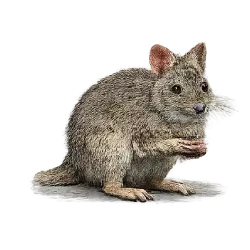
Lebih banyak hewan dengan kekuatan Foraging
Jelajahi semua hewan Foraging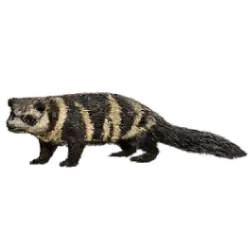
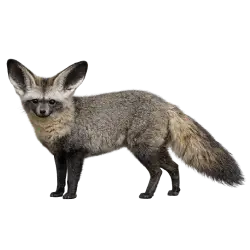
Bawa ensiklopedia ke dunia nyata
AnimalDex membantumu memindai hewan nyata, mengidentifikasi spesies, mengoleksi kartu, dan belajar dari alam di mana pun kamu berada.