
Panduan lapangan hewan
Owl
Identifikasi, habitat, rarity, perilaku, simbolisme, fakta, dan pelajaran praktis dari alam.
The silent night-listening hunter animal. The Owl is a bird with forward-facing eyes, soft flight feathers, and hearing tuned for the dark. It can locate small movement at night by listening carefully and flying with almost no sound. In human life, that means paying close attention can reveal options other people miss.
Nama ilmiah
Strigiformes
Kategori
Bird
Habitat
forest, farmland, scrub, grassland, and urban edge
Rarity
Relatively common · 49/100
Native range
Worldwide except Antarctica
Silent Night Vision
See in the dark.
See what moves in the dark.
Apa yang diajarkannya
Wisdom begins where ordinary visibility ends.
Bukti alam
Owls combine forward-facing eyes, silent flight feathers, facial disks, night hearing, and patient perching to detect hidden movement with minimal noise.
Gunakan untuk
Tangkapan Owl berperingkat
9 tangkapan berperingkat dalam grup ini dari kolektor AnimalDex.
Mengapa Silent Night Vision?
Alasan di balik Prinsip Hewan ini dan biologi yang mendukungnya.
Owl is a bird known for forward-facing eyes, soft silent flight feathers, and night-adapted hearing.
Cara mengidentifikasi Owl
- forward-facing eyes
- soft silent flight feathers
- night-adapted hearing
- Often associated with forest, farmland, scrub, grassland, and urban edge
Kenapa Owl menarik
- Owl is a useful example of how anatomy and habitat fit together as one survival system.
- Its shape, movement style, and food strategy make it easy to compare with related animals.
- This species turns one page into a lesson about adaptation, ecosystem role, and identification.
Habitat: forest, farmland, scrub, grassland, and urban edge
Native range: Worldwide except Antarctica
nativeRangeCardTitle
nativeRangeCardDescription
forest, farmland, scrub, grassland, and urban edge
To find Owl in the wild, focus on the exact habitat patches that match its body design and daily behavior, not just the broad country where it exists. You usually do better by working one good piece of habitat inside worldwide except Antarctica than by covering too much ground.
- Forest edge, canopy gaps, fruiting trees, or shaded trails where cover and food meet
- Open grassland edges, lightly wooded plains, or raised ground where you can scan long distances
- Protected habitat blocks within worldwide except Antarctica
- Go at dusk or after dark, move slowly, and listen before using a light or stepping into cover.
- Work edges, clearings, fruiting trees, and stream crossings rather than walking randomly through dense cover.
- Slow down and scan shapes, outlines, and eye-level silhouettes; many good sightings come from noticing what does not move.
Owl is a carnivorous bird of prey that feeds on animal food captured or scavenged in its hunting range.
- Small mammals and birds
- Reptiles, amphibians, or insects depending on size
- Carrion when the opportunity is efficient
Prey choice changes with season, hunting habitat, and how much energy the bird spends to secure each meal.
- Owl adjusts movement and feeding to match light, temperature, and food access in its habitat.
- Body design, timing, and shelter choices all help this species stay effective in the wild.
- Patient observation usually reveals more behavior than close approach or fast movement.
Owl most often symbolizes silent night vision in AnimalDex because its real survival behavior repeatedly shows this pattern.
Wisdom begins where ordinary visibility ends.
Owls combine forward-facing eyes, silent flight feathers, facial disks, night hearing, and patient perching to detect hidden movement with minimal noise.
- Keep distance and let the animal choose the space.
- Avoid blocking movement routes, nesting areas, or feeding behavior.
- Use optics, patience, and quiet observation instead of crowding for a closer view.
- Regional relatives may look similar at a distance.
- Juveniles, adults, and seasonal forms can differ in color or size.
- Light, angle, and habitat context can change how field marks appear.
0/1 XP toward Level 2
statsTitle
statsDescription
statsSourceLabel: statsSourceGenerated
dominanceStat
62
speedStat
62
sizeStat
43
intelligenceStat
47
rarityStat
49%
Total
263
Size scale
Large
Uses the canonical size stat for consistent placement

US$193 – US$401
Perkiraan rentang nilai
Kepercayaan 60%
Perkiraan nilai AnimalDex dibuat dari stat spesies kanonik.
Not a marketplace listing.
Perkiraan nilai berdasarkan hewan yang teridentifikasi dan konteks harga yang tersedia. Bukan daftar marketplace.
Seberapa langka Owl?
Rarity: Relatively common (49/100)
Owl remains fairly widespread where forest, farmland, scrub, grassland, and urban edge is still available.
Public Animal Power
Explore this Animal Power
This is a public capture, so you can explore its Animal Power here. Personal Apex matches and challenges use your Wild Profile and animals you own.
Own an animal with this power to use it in Growth challenges.
Comparison hearts ready
3 of 3 hearts remaining. Each loss removes 1 heart.
✦ Available actions
Compare this public animal when your deck meets the current rules.
⚡CompareUnavailable›Hewan terkait
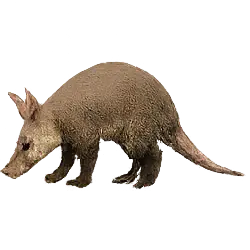
Aardvark
The aardvark is a nocturnal African mammal known for its long snout, strong digging…
Baca panduan spesies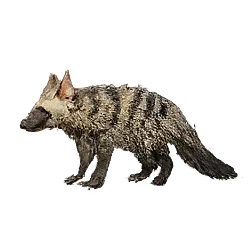
Aardwolf
The aardwolf is a small striped relative of hyenas that feeds mainly on termites rather…
Baca panduan spesies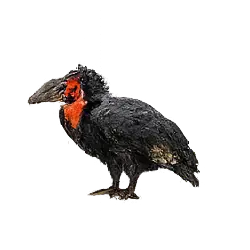
Abyssinian Ground Hornbill
Abyssinian Ground Hornbill is a bird known for bare red facial skin, huge…
Baca panduan spesiesBawa ensiklopedia ke dunia nyata
AnimalDex membantumu memindai hewan nyata, mengidentifikasi spesies, mengoleksi kartu, dan belajar dari alam di mana pun kamu berada.
Panduan blog terkait
Lanjutkan belajar lewat artikel praktis yang terhubung dengan spesies ini.
Owl Symbolism: Night Vision, Silent Wisdom & Hidden Sight
Explore owl symbolism through silent flight, nocturnal observation, facial disk hearing, and the archetype of seeing what moves in the dark.
Baca artikel blogComparisons terkait
Lihat bagaimana spesies ini tampil di halaman perbandingan AnimalDex yang terstruktur.
Eagle vs Owl: Which Bird of Prey Has the Edge?
Eagle gets the stronger daylight open-air verdict through size, forward force, and daytime control. Owl improves sharply in low light and close surprise conditions where silence and night sensing matter more.
Baca halaman comparisonPeregrine Falcon vs Owl: Which Bird Has the Better Edge?
Peregrine falcon gets the speed and open-air answer by a mile. Owl gets the quieter low-light answer and can become much more relevant when the page shifts from raw speed to surprise in darkness.
Baca halaman comparison