
Panduan lapangan hewan
Freshwater crayfish
Identifikasi, habitat, rarity, perilaku, simbolisme, fakta, dan pelajaran praktis dari alam.

Kartu AnimalDex
Buka kartu hewan ini
Pindai atau tangkap hewan ini dengan AnimalDex untuk membuka kartu koleksi dan menambahkannya ke koleksi satwa liarmu.
Dapatkan AnimalDexPanduan lapangan hewan
Freshwater crayfish
The Sideways Scuttler. This clever use of their environment allows them to stay safe while still being able to forage for food along the beach, making the most of their unique sideways approach.
No captures yet
Native range
Natural range, not this capture location
Native range keys: north_america, europe, australia_oceania.
Search near meAnimalDex stats
Dominance
18
Speed
24
Size
8
Intelligence
18
Rarity
20%
Total
88
Size scale
Nama ilmiah
Astacidea
Kategori
Animal
Habitat
Native range keys: north_america, europe, australia_oceania.
Rarity
Relatively common · 20/100
Native range
Native range keys: north_america, europe, australia_oceania.
Mengapa Freshwater crayfish?
Alasan di balik Prinsip Hewan ini dan biologi yang mendukungnya.
The Sideways Scuttler. The small white crab is a master of the sideways shuffle, a unique movement that has fascinated cultures for centuries. This sideways walk has been seen as a symbol of the sun's indirect path across the sky, especially during solstices when the sun appears to 'crab' sideways. These crabs are equipped with powerful claws that they use to dig burrows in the sand, creating a safe haven from predators and the harsh sun. Their strategy is to use these burrows as both a home and a trap, as they can quickly retreat into them when threatened. This clever use of their environment allows them to stay safe while still being able to forage for food along the beach, making the most of their unique sideways approach.
Cara mengidentifikasi Freshwater crayfish
- Recognized in AnimalDex as Freshwater crayfish
- Indexed profile #2007
Habitat: Native range keys: north_america, europe, australia_oceania.
Native range: Native range keys: north_america, europe, australia_oceania.
nativeRangeCardTitle
nativeRangeCardDescription
Native range keys: north_america, europe, australia_oceania.
To find Freshwater crayfish in the wild, focus on the exact habitat patches that match its body design and daily behavior, not just the broad country where it exists. You usually do better by working one good piece of habitat inside native range keys: north_america, europe, australia_oceania. than by covering too much ground.
- Headlands, reef edges, island colonies, tidal channels, or productive coastal water
- Burrow systems, sandy banks, fallen logs, or ground with clear den entrances
- Sunlit logs, exposed branches, warm rocks, or regular perch sites used for scanning
- Early sun and calm weather usually give the best chance of seeing normal basking, perched, or soaring behavior.
- Time your search around tide, wind, and visibility, then focus on feeding lines, reef edges, and known haul-out or nesting spots.
- Move quietly, stop often, and give the habitat time to settle; many mammals and insects show themselves only after the first pause.
Freshwater crayfish eats the foods its body design and habitat make easiest to access. Diet can shift across seasons, life stages, and local competition.
- The most accessible prey or plant foods in its habitat
- Energy-rich foods that match its size and behavior
- Seasonal resources available in the local environment
A practical answer for Freshwater crayfish always depends on what food is actually available in native range keys: north_america, europe, australia_oceania..
- The Sideways Scuttler. The small white crab is a master of the sideways shuffle, a unique movement that has fascinated cultures for centuries. This sideways walk has been seen as a symbol of the sun's indirect path across the sky, especially during solstices when the sun appears to 'crab' sideways. These crabs are equipped with powerful claws that they use to dig burrows in the sand, creating a safe haven from predators and the harsh sun. Their strategy is to use these burrows as both a home and a trap, as they can quickly retreat into them when threatened. This clever use of their environment allows them to stay safe while still being able to forage for food along the beach, making the most of their unique sideways approach.
- Observe from a respectful distance and avoid changing the animal's behavior.
- Do not block feeding, shelter, nesting, or travel routes.
- Use a live camera capture without handling or staging wildlife.
Hewan terkait
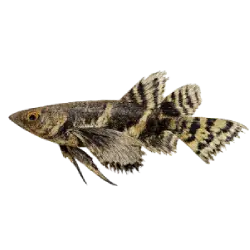
Freshwater Butterflyfish
Freshwater Butterflyfish is a fish known for wing-like pectoral fins, surface-skimming…
Baca panduan spesies
Freshwater Pearl Mussel
Freshwater Pearl Mussel is the AnimalDex expression of Pearlbed Patience: Filter…
Baca panduan spesies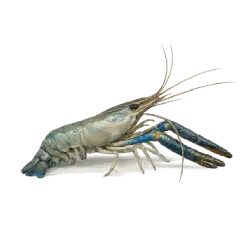
Giant freshwater prawn
The River Titan. The Giant Freshwater Prawn, or Macrobrachium rosenbergii, is a true…
Baca panduan spesiesBawa ensiklopedia ke dunia nyata
AnimalDex membantumu memindai hewan nyata, mengidentifikasi spesies, mengoleksi kartu, dan belajar dari alam di mana pun kamu berada.