
Panduan lapangan hewan
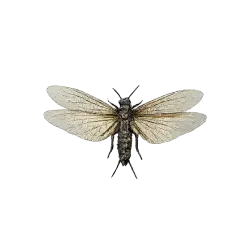
Giant Stonefly
Identifikasi, habitat, rarity, perilaku, simbolisme, fakta, dan pelajaran praktis dari alam.
Giant Stonefly teaches Current Holding through a nymph that clings where water tries to take everything. Its flattened body, strong legs, cold-stream life, and long underwater growth show that endurance is often the art of not being swept away.
Kartu AnimalDex
Buka kartu hewan ini
Pindai atau tangkap hewan ini dengan AnimalDex untuk membuka kartu koleksi dan menambahkannya ke koleksi satwa liarmu.
Dapatkan AnimalDexNama ilmiah
Pteronarcys californica
Kategori
Animal
Habitat
Cold clean streams, rocky riffles, fast rivers, and oxygen-rich water fit Giant Stoneflies because Current Holding needs a place where force is constant. The habitat gives the lesson pressure: the animal’s body matters because the water never stops pulling.
Rarity
Relatively common · 45/100
Native range
Cold clean streams, rocky riffles, fast rivers, and oxygen-rich water fit Giant Stoneflies because Current Holding needs a place where force is constant. The habitat gives the lesson pressure: the animal’s body matters because the water never stops pulling.
Current Holding
Hold the current.
Cold-Stream Rock Clinging
Apa yang diajarkannya
The right body holds firm where the water tries to take everything.
Coba
Life pulls hard, so you hold one habit that keeps you steady.
Bukti alam
Giant Stonefly nymphs live in cold fast streams, clinging to rocks with flattened bodies and strong legs while feeding and growing before emergence.
Gunakan untuk
Tangkapan Giant Stonefly berperingkat
Belum ada tangkapan komunitas berperingkat untuk spesies ini.
Mengapa Current Holding?
Alasan di balik Prinsip Hewan ini dan biologi yang mendukungnya.
Giant Stonefly teaches Current Holding through a nymph that clings where water tries to take everything. Its flattened body, strong legs, cold-stream life, and long underwater growth show that endurance is often the art of not being swept away.
Cara mengidentifikasi Giant Stonefly
- Aquatic nymphs built for cold fast streams
- Flattened body and strong legs for clinging to rocks
- Long immature stage before brief adult emergence
- Clean-water sensitivity that ties survival to habitat quality
Kenapa Giant Stonefly menarik
- Stonefly nymphs are often signs of clean, oxygen-rich water.
- The aquatic stage can last much longer than the winged adult stage.
- Nymphs live under rocks where current is strong but shelter exists.
- Adults emerge seasonally, turning long underwater endurance into brief flight.
Habitat: Cold clean streams, rocky riffles, fast rivers, and oxygen-rich water fit Giant Stoneflies because Current Holding needs a place where force is constant. The habitat gives the lesson pressure: the animal’s body matters because the water never stops pulling.
Native range: Cold clean streams, rocky riffles, fast rivers, and oxygen-rich water fit Giant Stoneflies because Current Holding needs a place where force is constant. The habitat gives the lesson pressure: the animal’s body matters because the water never stops pulling.
To find Giant Stonefly in the wild, focus on the exact habitat patches that match its body design and daily behavior, not just the broad country where it exists. You usually do better by working one good piece of habitat inside cold clean streams, rocky riffles, fast rivers, and oxygen-rich water fit Giant Stoneflies because Current Holding needs a place where force is constant. The habitat gives the lesson pressure: the animal’s body matters because the water never stops pulling. than by covering too much ground.
- Quiet marsh edges, reedbeds, river bends, or shallow wetland margins
- Protected habitat blocks within cold clean streams, rocky riffles, fast rivers, and oxygen-rich water fit Giant Stoneflies because Current Holding needs a place where force is constant. The habitat gives the lesson pressure: the animal’s body matters because the water never stops pulling.
- First light and late afternoon are often best, when animals come out to feed along the edge of water.
- Watch the transition line between open water and cover, because feeding and movement often happen on that edge.
- Move quietly, stop often, and give the habitat time to settle; many mammals and insects show themselves only after the first pause.
Decaying leaves, algae, detritus, and aquatic material support Current Holding because nymphs grow by using what the stream delivers. The diet fits the principle because holding position lets the current bring value close.
Fish, birds, frogs, predatory insects, pollution, and stream disturbance threaten stoneflies. Clinging under rocks turns a dangerous current into partial shelter, while clean water becomes as important as armor.
Nymphs live underwater for long periods, while adults emerge seasonally. Their rhythm is long current-holding before brief flight, making patience the larger part of the life story.
Giant Stoneflies may spend multiple years as aquatic nymphs before a short adult stage. This makes Current Holding deeply symbolic: most of the life is preparation, grip, and endurance before the visible transformation.
Females lay eggs into water so the young begin life in the current almost immediately. Offspring fit the principle because survival starts where holding on is the first lesson.
Males and females may differ in size and reproductive behavior as adults, but the main lesson is shared during the long nymph stage. Before display or mating, both must learn the current.
- Aquatic nymphs built for cold fast streams
- Flattened body and strong legs for clinging to rocks
- Long immature stage before brief adult emergence
- Clean-water sensitivity that ties survival to habitat quality
Giant Stonefly most often symbolizes current holding in AnimalDex because its real survival behavior repeatedly shows this pattern.
The right body holds firm where the water tries to take everything.
Giant Stonefly nymphs live in cold fast streams, clinging to rocks with flattened bodies and strong legs while feeding and growing before emergence.
- Observe from a respectful distance and avoid changing the animal's behavior.
- Do not block feeding, shelter, nesting, or travel routes.
- Use a live camera capture without handling or staging wildlife.
statsTitle
statsDescription
statsSourceLabel: statsSourceSpeciesProfile
dominanceStat
22
speedStat
28
sizeStat
6
intelligenceStat
22
rarityStat
45%
Total
123
Size scale
Tiny
Uses the canonical size stat for consistent placement
US$73 – US$153
Perkiraan rentang nilai
Kepercayaan 69%
Perkiraan nilai AnimalDex dibuat dari stat spesies kanonik.
Not a marketplace listing.
Perkiraan nilai berdasarkan hewan yang teridentifikasi dan konteks harga yang tersedia. Bukan daftar marketplace.
Seberapa langka Giant Stonefly?
Rarity: Relatively common (45/100)
AnimalDex canonical rarity score: 45/100, maintained by the live indexed species profile.
Public Animal Power
Explore this Animal Power
This is a public capture, so you can explore its Animal Power here. Personal Apex matches and challenges use your Wild Profile and animals you own.
Own an animal with this power to use it in Growth challenges.
Hewan terkait

Giant Stonefly
Giant Stonefly is a insect known for flattened stream-clinging body, strong folded…
Baca panduan spesies
Aldabra Giant Tortoise
Aldabra Giant Tortoise is a reptile known for immense domed shell, very long lifespan,…
Baca panduan spesies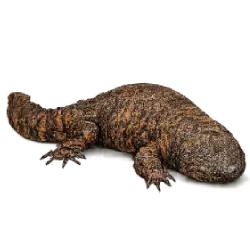
Chinese Giant Salamander
The Chinese giant salamander is one of the world’s largest amphibians, a river-bottom…
Baca panduan spesiesLebih banyak hewan dengan kekuatan Cold Endurance
Jelajahi semua hewan Cold Endurance
Alpine Marmot
Alpine Marmot is framed by Burrow Calendar: a mammal whose body and habits make sense…
Baca panduan spesies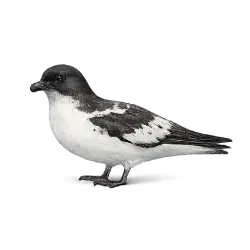
Antarctic Petrel
Antarctic Petrel expresses Frostwing through cold-ocean flight, Antarctic breeding,…
Baca panduan spesies
Arctic Ground Squirrel
Arctic Ground Squirrel is framed by Frozen Readiness: a mammal whose body and habits…
Baca panduan spesiesBawa ensiklopedia ke dunia nyata
AnimalDex membantumu memindai hewan nyata, mengidentifikasi spesies, mengoleksi kartu, dan belajar dari alam di mana pun kamu berada.