
Panduan lapangan hewan
Chinese Giant Salamander
Identifikasi, habitat, rarity, perilaku, simbolisme, fakta, dan pelajaran praktis dari alam.
The River Log Giant. The Chinese Giant Salamander uses a huge wrinkled body to hide in cold flowing rivers like a living log. It teaches us that great size can still hide quietly.
Kartu AnimalDex
Buka kartu hewan ini
Pindai atau tangkap hewan ini dengan AnimalDex untuk membuka kartu koleksi dan menambahkannya ke koleksi satwa liarmu.
Dapatkan AnimalDexNama ilmiah
Andrias davidianus
Kategori
Amphibian
Habitat
Cool mountain streams, rocky rivers, and deep freshwater pools with high oxygen levels.
Rarity
Very rare · 92/100
Native range
Historically central and southern China, now heavily reduced and fragmented.
River Hidden Magnitude
Hide like a river log.
Wrinkled River Ambush
Apa yang diajarkannya
Great size can disappear when it learns the shape of the river.
Coba
Your talent is huge but hidden, so you choose the environment that lets it show.
Bukti alam
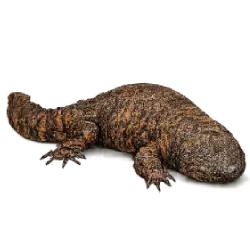
Chinese Giant Salamanders are enormous aquatic salamanders that hide among rocks in cold streams and rivers, using flattened bodies and ambush behavior.
Gunakan untuk
Tangkapan Chinese Giant Salamander berperingkat
Belum ada tangkapan komunitas berperingkat untuk spesies ini.
Mengapa River Hidden Magnitude?
Alasan di balik Prinsip Hewan ini dan biologi yang mendukungnya.
The Chinese giant salamander is one of the world’s largest amphibians, a river-bottom predator built for cool fast water and hidden rocky shelter.
Cara mengidentifikasi Chinese Giant Salamander
- Huge flattened body with broad head and wrinkled skin
- Small lidless-looking eyes and heavy tail for swimming
- Usually hidden among submerged rock crevices
Kenapa Chinese Giant Salamander menarik
- This species shows how large-bodied amphibians can occupy serious predatory roles in rivers.
- It is also an urgent conservation example of freshwater decline.
Habitat: Cool mountain streams, rocky rivers, and deep freshwater pools with high oxygen levels.
Native range: Historically central and southern China, now heavily reduced and fragmented.
nativeRangeCardTitle
nativeRangeCardDescription
Cool mountain streams, rocky rivers, and deep freshwater pools with high oxygen levels.
To find Chinese Giant Salamander in the wild, focus on the exact habitat patches that match its body design and daily behavior, not just the broad country where it exists. You usually do better by working one good piece of habitat inside historically central and southern China, now heavily reduced and fragmented. than by covering too much ground.
- Quiet marsh edges, reedbeds, river bends, or shallow wetland margins
- Rocky slopes, ridge lines, cliff ledges, or open mountain meadows with a wide view
- Protected habitat blocks within historically central and southern China, now heavily reduced and fragmented.
- First light and late afternoon are often best, when animals come out to feed along the edge of water.
- Scan from a stable vantage point first; in steep country, patient glassing usually beats constant hiking.
- Warm rocks, trail edges, fallen timber, and quiet water margins are usually better than heavily disturbed ground.
Fish, frogs, crustaceans, insects, worms, and small aquatic animals support River Hidden Magnitude because ambush works best when prey comes close in dark water.
Large fish, mammals, birds, other salamanders, and humans can threaten eggs or young, while adults mainly face human pressure. Rock shelter is the main refuge.
They are mostly nocturnal or crepuscular, hiding by day and feeding in dark water. Their rhythm lets a giant body move like a secret.
They can live for many decades, especially in protected conditions. The long lifespan gives the lesson ancient weight: hidden strength does not need hurry.
Females lay strings of eggs in underwater dens, and males may guard the nest site. Young begin as aquatic larvae dependent on clean cold water.
Males may guard breeding dens and can have swollen cloacal areas in breeding season, while females carry eggs. Most visual differences are subtle outside breeding.
- Ambushes fish, crustaceans, and other prey from underwater cover
- Stays hidden in deep rock cavities by day
- Depends on cold clean flow rather than warm pond systems
Chinese Giant Salamander most often symbolizes river hidden magnitude in AnimalDex because its real survival behavior repeatedly shows this pattern.
Great size can disappear when it learns the shape of the river.
Chinese Giant Salamanders are enormous aquatic salamanders that hide among rocks in cold streams and rivers, using flattened bodies and ambush behavior.
- Support habitat protection and licensed conservation work rather than novelty wildlife experiences.
- Treat any wild location data as highly sensitive.
- Hellbender
- Large catfish in murky water
- Submerged log under torchlight
statsTitle
statsDescription
statsSourceLabel: statsSourceSpeciesProfile
dominanceStat
48
speedStat
28
sizeStat
42
intelligenceStat
32
rarityStat
92%
Total
242
Size scale
Large
Uses the canonical size stat for consistent placement



US$241 – US$501
Perkiraan rentang nilai
Kepercayaan 69%
Perkiraan nilai AnimalDex dibuat dari stat spesies kanonik.
Not a marketplace listing.
Perkiraan nilai berdasarkan hewan yang teridentifikasi dan konteks harga yang tersedia. Bukan daftar marketplace.
Seberapa langka Chinese Giant Salamander?
Rarity: Very rare (92/100)
Wild populations are critically reduced by overharvest, pollution, and river alteration.
Systems Intelligence & Hidden Purpose
Sudut pandang systems biology untuk melihat bagaimana spesies ini dibangun, peran apa yang dijalankannya di ekosistem, dan pelajaran praktis apa yang bisa dipetik manusia.
System Role
The Riverbed Ambush Relic
Chinese Giant Salamander
Specialized Hardware
Massive flattened body, sensory skin folds, and low-light aquatic hunting design make this salamander bottom-channel hardware for fast freshwater systems.
Systems Script
It occupies cold river systems as a quiet apex amphibian, converting hidden structure into predatory leverage. Its decline also makes one point painfully clear: specialized hardware collapses fast when the channel is redesigned.
Strategic Insight
Do not mistake ancient design for outdated design. Some systems are optimized so tightly they fail only when the operating environment is broken.
Public Animal Power
Explore this Animal Power
This is a public capture, so you can explore its Animal Power here. Personal Apex matches and challenges use your Wild Profile and animals you own.
Own an animal with this power to use it in Growth challenges.
Hewan terkait
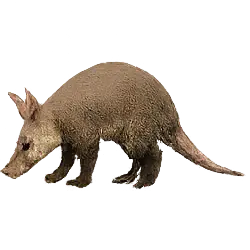
Aardvark
The aardvark is a nocturnal African mammal known for its long snout, strong digging…
Baca panduan spesies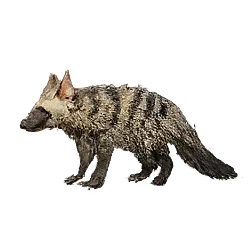
Aardwolf
The aardwolf is a small striped relative of hyenas that feeds mainly on termites rather…
Baca panduan spesies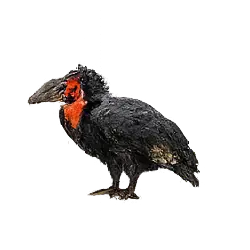
Abyssinian Ground Hornbill
Abyssinian Ground Hornbill is a bird known for bare red facial skin, huge…
Baca panduan spesiesLebih banyak hewan dengan kekuatan Ambush
Jelajahi semua hewan Ambush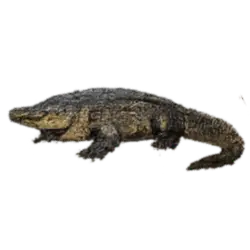
American Alligator
The American alligator is a large armored wetland reptile built for ambush, with a…
Baca panduan spesies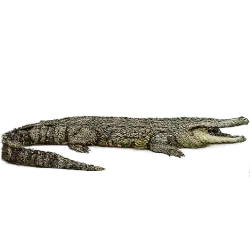
American Crocodile
American Crocodile teaches Brackish Stillness through a coastal predator waiting where…
Baca panduan spesies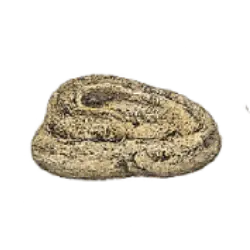
Arabian Sand Boa
Arabian Sand Boa is a reptile known for blunt short tail, sand-burrowing ambush body,…
Baca panduan spesiesBawa ensiklopedia ke dunia nyata
AnimalDex membantumu memindai hewan nyata, mengidentifikasi spesies, mengoleksi kartu, dan belajar dari alam di mana pun kamu berada.