
Panduan lapangan hewan
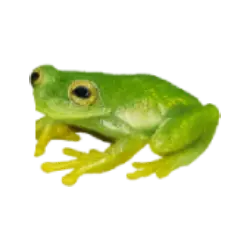
Glass Frog
Identifikasi, habitat, rarity, perilaku, simbolisme, fakta, dan pelajaran praktis dari alam.
The Window-Belly Leaf Hopper. The Glass Frog uses clear skin and leafy green color to hide on wet branches above streams. It reminds us that delicate things can still be very clever.
Kartu AnimalDex
Buka kartu hewan ini
Pindai atau tangkap hewan ini dengan AnimalDex untuk membuka kartu koleksi dan menambahkannya ke koleksi satwa liarmu.
Dapatkan AnimalDexNama ilmiah
Centrolenidae
Kategori
Amphibian
Habitat
Cloud forest and humid tropical stream corridors with clean flowing water.
Rarity
Rare · 71/100
Native range
Central and South America.
Efficiency
Preserve energy for decisive moves.
Apa yang diajarkannya
When the environment is noisy, the cleanest strategy can be to remove obvious edges from your profile.
Bukti alam
Semi-transparent body tissues, underside leaf use, and streamside egg-guarding behavior make glass frogs stealth hardware for wet tropical margins. Glass frogs tie forest leaves to stream reproduction, turning delicate microhabitats into viable nurseries. Their niche works because concealment and site choice reinforce each other.
Gunakan untuk
Tangkapan Glass Frog berperingkat
Belum ada tangkapan komunitas berperingkat untuk spesies ini.
Mengapa Efficiency?
Alasan di balik Prinsip Hewan ini dan biologi yang mendukungnya.
Glass frogs are small translucent amphibians known for see-through undersides, leaf-side breeding, and quiet streamside life in humid forest.
Cara mengidentifikasi Glass Frog
- Small green frog with pale translucent underside
- Often perches on leaves above streams
- Fine-limbed delicate body with pale bones or organs partly visible below
Kenapa Glass Frog menarik
- Glass frogs make microhabitat specialization visible at very small scale.
- Their breeding and body transparency are both biologically distinctive.
Habitat: Cloud forest and humid tropical stream corridors with clean flowing water.
Native range: Central and South America.
nativeRangeCardTitle
nativeRangeCardDescription
Cloud forest and humid tropical stream corridors with clean flowing water.
To find Glass Frog in the wild, focus on the exact habitat patches that match its body design and daily behavior, not just the broad country where it exists. You usually do better by working one good piece of habitat inside central and South America. than by covering too much ground.
- Forest edge, canopy gaps, fruiting trees, or shaded trails where cover and food meet
- Sunlit logs, exposed branches, warm rocks, or regular perch sites used for scanning
- Protected habitat blocks within central and South America.
- Early sun and calm weather usually give the best chance of seeing normal basking, perched, or soaring behavior.
- Work edges, clearings, fruiting trees, and stream crossings rather than walking randomly through dense cover.
- Slow down and scan shapes, outlines, and eye-level silhouettes; many good sightings come from noticing what does not move.
Glass Frog eats the foods its body design and habitat make easiest to access. Diet can shift across seasons, life stages, and local competition.
- The most accessible prey or plant foods in its habitat
- Energy-rich foods that match its size and behavior
- Seasonal resources available in the local environment
A practical answer for Glass Frog always depends on what food is actually available in cloud forest and humid tropical stream corridors with clean flowing water..
- Calls from leaves above running water rather than open pond edges
- Often guards eggs laid on vegetation over streams
- Relies on camouflage and transparency more than strong escape bursts
Glass Frog most often symbolizes efficiency in AnimalDex because its real survival behavior repeatedly shows this pattern.
When the environment is noisy, the cleanest strategy can be to remove obvious edges from your profile.
Semi-transparent body tissues, underside leaf use, and streamside egg-guarding behavior make glass frogs stealth hardware for wet tropical margins. Glass frogs tie forest leaves to stream reproduction, turning delicate microhabitats into viable nurseries. Their niche works because concealment and site choice reinforce each other.
- Search streamside leaves carefully without bending or tearing vegetation.
- Keep boots and hands out of breeding stream margins where eggs and tadpoles are vulnerable.
- Tree frog species
- Leaf insects in poor light
- Tiny green geckos on leaves
statsTitle
statsDescription
statsSourceLabel: statsSourceSpeciesProfile
dominanceStat
50
speedStat
51
sizeStat
31
intelligenceStat
40
rarityStat
71%
Total
243
Size scale
Medium
Uses the canonical size stat for consistent placement

US$196 – US$408
Perkiraan rentang nilai
Kepercayaan 60%
Perkiraan nilai AnimalDex dibuat dari stat spesies kanonik.
Not a marketplace listing.
Perkiraan nilai berdasarkan hewan yang teridentifikasi dan konteks harga yang tersedia. Bukan daftar marketplace.
Seberapa langka Glass Frog?
Rarity: Rare (71/100)
Many glass frogs are narrow-range stream specialists vulnerable to water quality shifts and forest disturbance.
Systems Intelligence & Hidden Purpose
Sudut pandang systems biology untuk melihat bagaimana spesies ini dibangun, peran apa yang dijalankannya di ekosistem, dan pelajaran praktis apa yang bisa dipetik manusia.
System Role
The Transparency Engineer
Glass Frog
Specialized Hardware
Semi-transparent body tissues, underside leaf use, and streamside egg-guarding behavior make glass frogs stealth hardware for wet tropical margins.
Systems Script
Glass frogs tie forest leaves to stream reproduction, turning delicate microhabitats into viable nurseries. Their niche works because concealment and site choice reinforce each other.
Strategic Insight
When the environment is noisy, the cleanest strategy can be to remove obvious edges from your profile.
Public Animal Power
Explore this Animal Power
This is a public capture, so you can explore its Animal Power here. Personal Apex matches and challenges use your Wild Profile and animals you own.
Own an animal with this power to use it in Growth challenges.
Hewan terkait
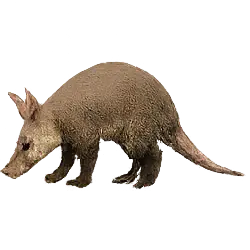
Aardvark
The aardvark is a nocturnal African mammal known for its long snout, strong digging…
Baca panduan spesies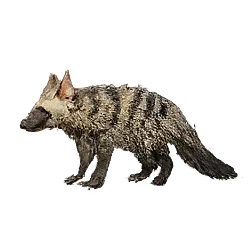
Aardwolf
The aardwolf is a small striped relative of hyenas that feeds mainly on termites rather…
Baca panduan spesies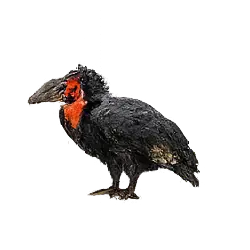
Abyssinian Ground Hornbill
Abyssinian Ground Hornbill is a bird known for bare red facial skin, huge…
Baca panduan spesiesLebih banyak hewan dengan kekuatan Energy Management
Jelajahi semua hewan Energy Management
Burrowing Parrot
Burrowing Parrot is a bird known for cliff-tunneling nest habit, long-distance flock…
Baca panduan spesies
Central American Agouti
Central American Agouti is a mammal known for fast rodent runner, seed-burying forest…
Baca panduan spesies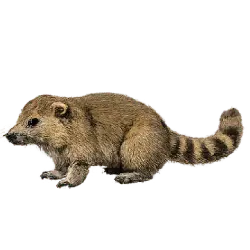
Coati
Coati is a mammal known for long flexible nose, ringed balancing tail, and social…
Baca panduan spesiesBawa ensiklopedia ke dunia nyata
AnimalDex membantumu memindai hewan nyata, mengidentifikasi spesies, mengoleksi kartu, dan belajar dari alam di mana pun kamu berada.
Muncul di tier list
Lihat posisi spesies ini di halaman tier list AnimalDex yang dibangun dengan perbandingan terstruktur dan metodologi yang jelas.
#7 · Camouflage
Animals with the Best Camouflage: Top 100 Tier List
Glass frog belongs because transparency is a different and very effective camouflage solution.
Baca tier list