
Panduan lapangan hewan
Giant Burrowing Mayfly
Identifikasi, habitat, rarity, perilaku, simbolisme, fakta, dan pelajaran praktis dari alam.
The One-Night River Dancer. The Giant Burrowing Mayfly rises from the water with sail-like wings and dances through a very short adult life above the river. It reminds us that even a brief moment can still be full of wonder.
Nama ilmiah
Hexagenia limbata
Kategori
Insect
Habitat
lake, river, and freshwater margin habitat
Rarity
Relatively common · 39/100
Native range
North America
Ephemerality
Dance while risen.
One-Night River Emergence
Apa yang diajarkannya
A brief life can still spend itself completely in the dance it was made for.
Coba
In human life, that means rest and recovery are part of staying effective, not a failure of effort.
Bukti alam
Giant Burrowing Mayflies spend much of life as aquatic burrowing nymphs, then emerge in synchronized adult swarms with very short-lived winged reproductive stages above rivers and lakes.
Gunakan untuk
Tangkapan Giant Burrowing Mayfly berperingkat
1 tangkapan berperingkat dalam grup ini dari kolektor AnimalDex.
Wafflemuncher
@wafflemuncher221Wild · Sass Family Farm · Riverside, Washington County, IA, United States
Skor 0
Mengapa Ephemerality?
Alasan di balik Prinsip Hewan ini dan biologi yang mendukungnya.
Giant Burrowing Mayfly is a insect known for sail-like upright wings, long tail filaments, and brief adult swarming life.
Cara mengidentifikasi Giant Burrowing Mayfly
- sail-like upright wings
- long tail filaments
- brief adult swarming life
- Often associated with lake, river, and freshwater margin habitat
Kenapa Giant Burrowing Mayfly menarik
- Giant Burrowing Mayfly is a useful example of how anatomy and habitat fit together as one survival system.
- Its shape, movement style, and food strategy make it easy to compare with related animals.
- This species turns one page into a lesson about adaptation, ecosystem role, and identification.
Habitat: lake, river, and freshwater margin habitat
Native range: North America
nativeRangeCardTitle
nativeRangeCardDescription
lake, river, and freshwater margin habitat
To find Giant Burrowing Mayfly in the wild, focus on the exact habitat patches that match its body design and daily behavior, not just the broad country where it exists. You usually do better by working one good piece of habitat inside north America than by covering too much ground.
- Quiet marsh edges, reedbeds, river bends, or shallow wetland margins
- Burrow systems, sandy banks, fallen logs, or ground with clear den entrances
- Protected habitat blocks within north America
- Early sun and calm weather usually give the best chance of seeing normal basking, perched, or soaring behavior.
- Watch the transition line between open water and cover, because feeding and movement often happen on that edge.
- Move quietly, stop often, and give the habitat time to settle; many mammals and insects show themselves only after the first pause.
Giant Burrowing Mayfly eats the foods its body design and habitat make easiest to access. Diet can shift across seasons, life stages, and local competition.
- The most accessible prey or plant foods in its habitat
- Energy-rich foods that match its size and behavior
- Seasonal resources available in the local environment
A practical answer for Giant Burrowing Mayfly always depends on what food is actually available in lake, river, and freshwater margin habitat.
- Giant Burrowing Mayfly adjusts movement and feeding to match light, temperature, and food access in its habitat.
- Body design, timing, and shelter choices all help this species stay effective in the wild.
- Patient observation usually reveals more behavior than close approach or fast movement.
Giant Burrowing Mayfly most often symbolizes ephemerality in AnimalDex because its real survival behavior repeatedly shows this pattern.
A brief life can still spend itself completely in the dance it was made for.
Giant Burrowing Mayflies spend much of life as aquatic burrowing nymphs, then emerge in synchronized adult swarms with very short-lived winged reproductive stages above rivers and lakes.
- Keep distance and let the animal choose the space.
- Avoid blocking movement routes, nesting areas, or feeding behavior.
- Use optics, patience, and quiet observation instead of crowding for a closer view.
- Regional relatives may look similar at a distance.
- Juveniles, adults, and seasonal forms can differ in color or size.
- Light, angle, and habitat context can change how field marks appear.
0/1 XP toward Level 2
statsTitle
statsDescription
statsSourceLabel: statsSourceSpeciesProfile
dominanceStat
2
speedStat
37
sizeStat
1
intelligenceStat
1
rarityStat
39%
Total
80
Size scale
Microscopic edge
Uses the canonical size stat for consistent placement



US$39 – US$81
Perkiraan rentang nilai
Kepercayaan 60%
Perkiraan nilai AnimalDex dibuat dari stat spesies kanonik.
Not a marketplace listing.
Perkiraan nilai berdasarkan hewan yang teridentifikasi dan konteks harga yang tersedia. Bukan daftar marketplace.
Seberapa langka Giant Burrowing Mayfly?
Rarity: Relatively common (39/100)
Giant Burrowing Mayfly remains fairly widespread where lake, river, and freshwater margin habitat is still available.
Systems Intelligence & Hidden Purpose
Sudut pandang systems biology untuk melihat bagaimana spesies ini dibangun, peran apa yang dijalankannya di ekosistem, dan pelajaran praktis apa yang bisa dipetik manusia.
System Role
The One-night River Hatch
Giant Burrowing Mayfly
Specialized Hardware
sail-like upright wings, long tail filaments, and brief adult swarming life give the Giant Burrowing Mayfly a body plan tuned for its niche.
Systems Script
Giant Burrowing Mayflys operate through lake, river, and freshwater margin habitat. Their design links movement, feeding, shelter, and timing into one workable survival system.
Strategic Insight
Where water controls movement, position and timing often matter more than speed.
Public Animal Power
Explore this Animal Power
This is a public capture, so you can explore its Animal Power here. Personal Apex matches and challenges use your Wild Profile and animals you own.
Own an animal with this power to use it in Growth challenges.
Comparison hearts ready
3 of 3 hearts remaining. Each loss removes 1 heart.
✦ Available actions
Compare this public animal when your deck meets the current rules.
⚡CompareUnavailable›Hewan terkait
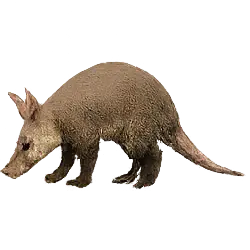
Aardvark
The aardvark is a nocturnal African mammal known for its long snout, strong digging…
Baca panduan spesies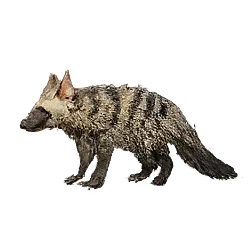
Aardwolf
The aardwolf is a small striped relative of hyenas that feeds mainly on termites rather…
Baca panduan spesies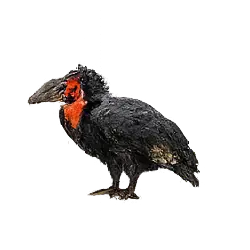
Abyssinian Ground Hornbill
Abyssinian Ground Hornbill is a bird known for bare red facial skin, huge…
Baca panduan spesiesLebih banyak hewan dengan kekuatan Patience
Jelajahi semua hewan Patience
Adelie Penguin
Adelie Penguin is a bird known for classic black-and-white body, ice-edge breeding…
Baca panduan spesies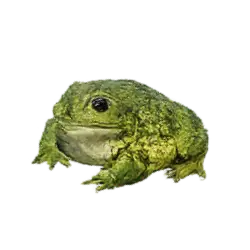
African Bullfrog
African Bullfrog is a amphibian known for huge frog body, powerful bite, and burrowing…
Baca panduan spesies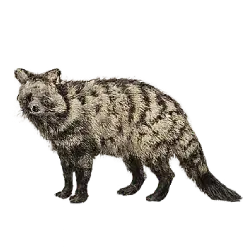
African Civet
African Civet is a mammal known for bold black-and-white pattern, night-active…
Baca panduan spesiesBawa ensiklopedia ke dunia nyata
AnimalDex membantumu memindai hewan nyata, mengidentifikasi spesies, mengoleksi kartu, dan belajar dari alam di mana pun kamu berada.