
Panduan lapangan hewan
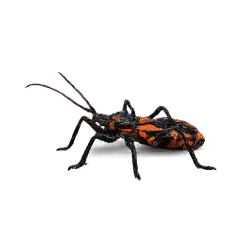
Milkweed Assassin Bug
Identifikasi, habitat, rarity, perilaku, simbolisme, fakta, dan pelajaran praktis dari alam.
Milkweed Assassin Bug teaches Sticky Patience through sticky resin-coated legs help seize passing insects. A piercing beak turns capture into feeding. Stem waiting uses plant traffic as a hunting lane. The lesson is carried by the animal’s real body, habitat, and pressure rather than a generic metaphor.
Nama ilmiah
Zelus longipes
Kategori
Animal
Habitat
Gardens, meadows, milkweed patches, flower stems, shrubs, and sunny vegetation fit Milkweed Assassin Bugs because prey traffic passes through these small vertical routes.
Rarity
Relatively common · 41/100
Native range
Gardens, meadows, milkweed patches, flower stems, shrubs, and sunny vegetation fit Milkweed Assassin Bugs because prey traffic passes through these small vertical routes.
Sticky Patience
Hold the stem.
Resin-Leg Stem Ambush
Apa yang diajarkannya
Preparation holds the moment before the strike ever begins.
Coba
You prepare healthy snacks before cravings hit so eating less sugar does not depend on willpower at night.
Bukti alam
Milkweed Assassin Bugs are predatory insects that use sticky forelegs and piercing mouthparts to seize prey from stems, flowers, and vegetation.
Gunakan untuk
Tangkapan Milkweed Assassin Bug berperingkat
1 tangkapan berperingkat dalam grup ini dari kolektor AnimalDex.
Garrett8522
@dannimal2285Reedy Creek Nature Preserve · University City, Charlotte, Mecklenburg County, NC, United States
Skor 0
Mengapa Sticky Patience?
Alasan di balik Prinsip Hewan ini dan biologi yang mendukungnya.
Milkweed Assassin Bug teaches Sticky Patience through sticky resin-coated legs help seize passing insects. A piercing beak turns capture into feeding. Stem waiting uses plant traffic as a hunting lane. The lesson is carried by the animal’s real body, habitat, and pressure rather than a generic metaphor.
Cara mengidentifikasi Milkweed Assassin Bug
- Sticky resin-coated legs help seize passing insects.
- A piercing beak turns capture into feeding.
- Stem waiting uses plant traffic as a hunting lane.
Kenapa Milkweed Assassin Bug menarik
- Milkweed Assassin Bugs are true bugs, not wasps.
- They can help reduce garden pests by hunting other insects.
- Their bite can be painful if handled carelessly.
Habitat: Gardens, meadows, milkweed patches, flower stems, shrubs, and sunny vegetation fit Milkweed Assassin Bugs because prey traffic passes through these small vertical routes.
Native range: Gardens, meadows, milkweed patches, flower stems, shrubs, and sunny vegetation fit Milkweed Assassin Bugs because prey traffic passes through these small vertical routes.
To find Milkweed Assassin Bug in the wild, focus on the exact habitat patches that match its body design and daily behavior, not just the broad country where it exists. You usually do better by working one good piece of habitat inside gardens, meadows, milkweed patches, flower stems, shrubs, and sunny vegetation fit Milkweed Assassin Bugs because prey traffic passes through these small vertical routes. than by covering too much ground.
- Open grassland edges, lightly wooded plains, or raised ground where you can scan long distances
- Protected habitat blocks within gardens, meadows, milkweed patches, flower stems, shrubs, and sunny vegetation fit Milkweed Assassin Bugs because prey traffic passes through these small vertical routes.
- Start early, pick one strong patch of habitat, and stay long enough for movement to return after you arrive.
- Use binoculars from a track, ridge, or vehicle stop and scan far ahead before you move closer.
- Move quietly, stop often, and give the habitat time to settle; many mammals and insects show themselves only after the first pause.
Flies, bees, caterpillars, beetles, and other insects support Sticky Patience because the bug lives by seizing small moving opportunities from its perch.
Birds, spiders, mantises, wasps, and larger predatory insects can threaten assassin bugs. Stillness, camouflage, and a painful defensive bite help protect them.
They are mostly active by day in warm conditions, waiting and hunting among plants. Their rhythm is preparation, stillness, and sudden contact.
Milkweed Assassin Bugs usually live through a seasonal insect life cycle from egg to nymph to adult. The lesson is built in a short window of patient ambush.
Females lay clusters of eggs on plants, and nymphs hatch looking like smaller wingless hunters. The next generation begins directly among stems and prey routes.
Males and females look similar, though females may be larger when carrying eggs. The more important distinction is between nymph and winged adult.
- Sticky resin-coated legs help seize passing insects.
- A piercing beak turns capture into feeding.
- Stem waiting uses plant traffic as a hunting lane.
Milkweed Assassin Bug most often symbolizes sticky patience in AnimalDex because its real survival behavior repeatedly shows this pattern.
Preparation holds the moment before the strike ever begins.
Milkweed Assassin Bugs are predatory insects that use sticky forelegs and piercing mouthparts to seize prey from stems, flowers, and vegetation.
- Observe from a respectful distance and avoid changing the animal's behavior.
- Do not block feeding, shelter, nesting, or travel routes.
- Use a live camera capture without handling or staging wildlife.
0/1 XP toward Level 2
statsTitle
statsDescription
statsSourceLabel: statsSourceSpeciesProfile
dominanceStat
48
speedStat
54
sizeStat
4
intelligenceStat
39
rarityStat
41%
Total
186
Size scale
Tiny
Uses the canonical size stat for consistent placement





US$101 – US$211
Perkiraan rentang nilai
Kepercayaan 69%
Perkiraan nilai AnimalDex dibuat dari stat spesies kanonik.
Not a marketplace listing.
Perkiraan nilai berdasarkan hewan yang teridentifikasi dan konteks harga yang tersedia. Bukan daftar marketplace.
Seberapa langka Milkweed Assassin Bug?
Rarity: Relatively common (41/100)
AnimalDex canonical rarity score: 41/100, maintained by the live indexed species profile.
Public Animal Power
Explore this Animal Power
This is a public capture, so you can explore its Animal Power here. Personal Apex matches and challenges use your Wild Profile and animals you own.
Own an animal with this power to use it in Growth challenges.
Comparison hearts ready
3 of 3 hearts remaining. Each loss removes 1 heart.
✦ Available actions
Compare this public animal when your deck meets the current rules.
⚡CompareUnavailable›Hewan terkait

Milkweed Assassin Bug
Milkweed Assassin Bug is a insect known for raptorial sticky forelegs, piercing…
Baca panduan spesies
Assassin Spider
The Assassin Spider is a lesson in specialized strategy. It does not win by being…
Baca panduan spesies
Green Milkweed Locust
The Green Milkweed Locust teaches that warning works best when it is honest. Its color…
Baca panduan spesiesLebih banyak hewan dengan kekuatan Ambush
Jelajahi semua hewan Ambush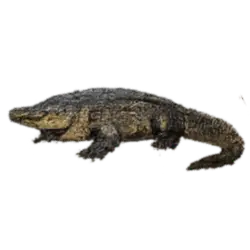
American Alligator
The American alligator is a large armored wetland reptile built for ambush, with a…
Baca panduan spesies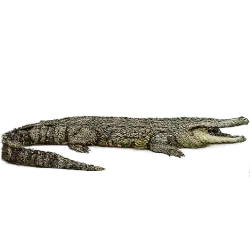
American Crocodile
American Crocodile teaches Brackish Stillness through a coastal predator waiting where…
Baca panduan spesies
Arabian Sand Boa
Arabian Sand Boa is a reptile known for blunt short tail, sand-burrowing ambush body,…
Baca panduan spesiesBawa ensiklopedia ke dunia nyata
AnimalDex membantumu memindai hewan nyata, mengidentifikasi spesies, mengoleksi kartu, dan belajar dari alam di mana pun kamu berada.