
Panduan lapangan hewan
American Alligator
Identifikasi, habitat, rarity, perilaku, simbolisme, fakta, dan pelajaran praktis dari alam.
The Still Water Snapper. The American Alligator uses heavy armor, patient eyes, and a powerful tail to wait at the edge of warm swamp water. It shows us that sometimes the strongest move is waiting until the right moment comes close.
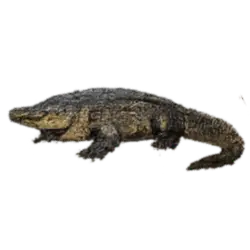
Kartu AnimalDex
Buka kartu hewan ini
Pindai atau tangkap hewan ini dengan AnimalDex untuk membuka kartu koleksi dan menambahkannya ke koleksi satwa liarmu.
Dapatkan AnimalDexNama ilmiah
Alligator mississippiensis
Kategori
Reptile
Habitat
Swamps, marshes, slow rivers, ponds, and freshwater wetland systems.
Rarity
Relatively common · 35/100
Native range
Southeastern United States.
Patience
Wait at the edge.
Still-Water Ambush
Apa yang diajarkannya
The strongest move may be the one held until the world comes close enough.
Coba
The opportunity is not ready, so you wait instead of grabbing too early.
Bukti alam
American Alligators often hunt by waiting motionless near water edges, using camouflage, powerful jaws, armored bodies, and explosive strikes when prey comes within range.
Gunakan untuk
Tangkapan American Alligator berperingkat
Belum ada tangkapan komunitas berperingkat untuk spesies ini.
Mengapa Patience?
Alasan di balik Prinsip Hewan ini dan biologi yang mendukungnya.
The American alligator is a large armored wetland reptile built for ambush, with a broad snout and strong recovery across many southeastern U.S. habitats.
Cara mengidentifikasi American Alligator
- Broad U-shaped snout and darker heavy-bodied profile
- Eyes and nostrils high on the head for surface-level concealment
- Usually only upper teeth visible when the mouth is closed
Kenapa American Alligator menarik
- Alligators are strong case studies in conservation recovery with functioning wetland habitat.
- They also shape wetlands by creating trails and depressions used by other species.
Habitat: Swamps, marshes, slow rivers, ponds, and freshwater wetland systems.
Native range: Southeastern United States.
nativeRangeCardTitle
nativeRangeCardDescription
Swamps, marshes, slow rivers, ponds, and freshwater wetland systems.
To find American Alligator in the wild, focus on the exact habitat patches that match its body design and daily behavior, not just the broad country where it exists. You usually do better by working one good piece of habitat inside southeastern United States. than by covering too much ground.
- Quiet marsh edges, reedbeds, river bends, or shallow wetland margins
- Protected habitat blocks within southeastern United States.
- First light and late afternoon are often best, when animals come out to feed along the edge of water.
- Watch the transition line between open water and cover, because feeding and movement often happen on that edge.
- Warm rocks, trail edges, fallen timber, and quiet water margins are usually better than heavily disturbed ground.
Fish, turtles, birds, mammals, frogs, snakes, and carrion support the Patience lesson because the alligator can take many prey types when timing and distance are right.
Adult alligators have few natural predators, but eggs and young face raccoons, birds, snakes, larger alligators, and mammals. Nest guarding and water refuge protect the next generation.
American Alligators are most active in warm conditions and often hunt from dusk into night, while basking by day to regulate temperature. Their rhythm mixes solar recharge with hidden ambush.
American Alligators can live for many decades. Patience gains weight with age because large size, territory knowledge, basking sites, and hunting edges are built slowly.
Females build mound nests and guard eggs and hatchlings, sometimes carrying young gently in the mouth. Offspring matter because the same jaws used for power also become careful transport and defense.
Males grow larger than females and may defend territories or display with bellows. The Patience lesson is shared, but mature male size adds a dominance layer to still-water power.
- Waits at shore edges and vegetation lines for prey opportunities
- Basks openly to regulate temperature
- Uses low grunts and water display during breeding
American Alligator most often symbolizes patience in AnimalDex because its real survival behavior repeatedly shows this pattern.
The strongest move may be the one held until the world comes close enough.
American Alligators often hunt by waiting motionless near water edges, using camouflage, powerful jaws, armored bodies, and explosive strikes when prey comes within range.
- Keep clear of water edges, especially at dusk or around nests.
- Never feed wild alligators, which quickly creates dangerous habituation.
- Crocodile
- Caiman
- Floating log with visible eyeshine
statsTitle
statsDescription
statsSourceLabel: statsSourceSpeciesProfile
dominanceStat
88
speedStat
32
sizeStat
78
intelligenceStat
40
rarityStat
35%
Total
273
Size scale
Huge
Uses the canonical size stat for consistent placement

US$221 – US$459
Perkiraan rentang nilai
Kepercayaan 69%
Perkiraan nilai AnimalDex dibuat dari stat spesies kanonik.
Not a marketplace listing.
Perkiraan nilai berdasarkan hewan yang teridentifikasi dan konteks harga yang tersedia. Bukan daftar marketplace.
Seberapa langka American Alligator?
Rarity: Relatively common (35/100)
After major recovery efforts, alligators are now common across much of their range where wetland habitat remains.
Systems Intelligence & Hidden Purpose
Sudut pandang systems biology untuk melihat bagaimana spesies ini dibangun, peran apa yang dijalankannya di ekosistem, dan pelajaran praktis apa yang bisa dipetik manusia.
System Role
The Freshwater Edge Governor
American Alligator
Specialized Hardware
Broad-snouted ambush design, armored body, and wetland excavation behavior make alligators control hardware for warm freshwater systems.
Systems Script
Alligators regulate shoreline prey and create physical wetland features other species later use. They do not just occupy swamps; they help structure them.
Strategic Insight
Real power shows up when control and habitat-building happen in the same system.
Public Animal Power
Explore this Animal Power
This is a public capture, so you can explore its Animal Power here. Personal Apex matches and challenges use your Wild Profile and animals you own.
Own an animal with this power to use it in Growth challenges.
Hewan terkait
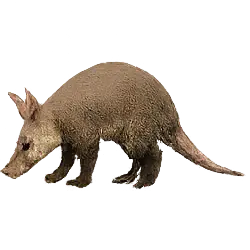
Aardvark
The aardvark is a nocturnal African mammal known for its long snout, strong digging…
Baca panduan spesies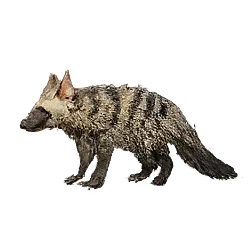
Aardwolf
The aardwolf is a small striped relative of hyenas that feeds mainly on termites rather…
Baca panduan spesies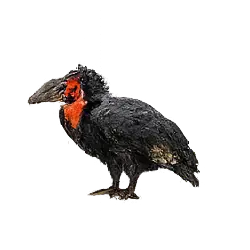
Abyssinian Ground Hornbill
Abyssinian Ground Hornbill is a bird known for bare red facial skin, huge…
Baca panduan spesiesLebih banyak hewan dengan kekuatan Ambush
Jelajahi semua hewan Ambush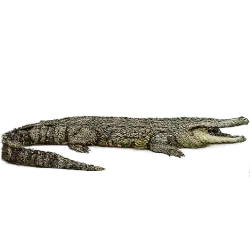
American Crocodile
American Crocodile teaches Brackish Stillness through a coastal predator waiting where…
Baca panduan spesies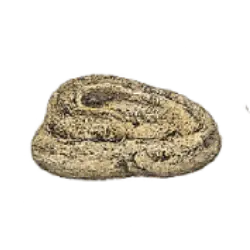
Arabian Sand Boa
Arabian Sand Boa is a reptile known for blunt short tail, sand-burrowing ambush body,…
Baca panduan spesies
Atlantic Trumpetfish
Trumpetfish's power is Vertical Ambush: slender vertical hovering, stealth, and close…
Baca panduan spesiesBawa ensiklopedia ke dunia nyata
AnimalDex membantumu memindai hewan nyata, mengidentifikasi spesies, mengoleksi kartu, dan belajar dari alam di mana pun kamu berada.
Comparisons terkait
Lihat bagaimana spesies ini tampil di halaman perbandingan AnimalDex yang terstruktur.
Crocodile vs Alligator: Which Crocodilian Has the Edge?
Crocodile usually gets the slight overall edge because it is often more aggressive and more built for a wider range of salty and open-water environments. Alligator remains massively dangerous and can look better in some freshwater ambush contexts.
Baca halaman comparisonMuncul di tier list
Lihat posisi spesies ini di halaman tier list AnimalDex yang dibangun dengan perbandingan terstruktur dan metodologi yang jelas.
#5 · Armor
Animals with the Strongest Armor: Top 100 Tier List
American alligator sits just below crocodile because its body protection is still exceptional.
Baca tier list#5 · Bite Force
Animals With the Strongest Bite Force: Top 100 Tier List
Alligator stays high because the crocodilian jaw model remains one of the strongest in the world.
Baca tier list#6 · Reputation
Most Reviled Animals in the World: Top 100 Tier List
American alligator stays high because crocodilian body design itself tends to trigger strong human unease even where attacks are uncommon.
Baca tier list