
Panduan lapangan hewan
Monarch Butterfly
Identifikasi, habitat, rarity, perilaku, simbolisme, fakta, dan pelajaran praktis dari alam.
The Map-Following Wanderer. The Monarch Butterfly uses bright wings and an incredible sense of direction to travel huge distances across the seasons. It shows us that small bodies can still follow very big journeys.
Nama ilmiah
Danaus plexippus
Kategori
Insect
Habitat
Meadow, garden, field edge, migration corridor, and overwintering woodland depending on season.
Rarity
Relatively common · 12/100
Native range
North America with migratory and resident populations extending into Central America and beyond.
Inherited Migration
Carry the route.
Multi-Generation Navigation
Apa yang diajarkannya
Small bodies can carry enormous direction.
Coba
You teach your daughter a family recipe so she grows up carrying kindness, memory, and belonging.
Bukti alam
Monarch butterflies complete long migrations across generations using inherited navigation and seasonal movement cues.
Gunakan untuk
Tangkapan Monarch Butterfly berperingkat
2 tangkapan berperingkat dalam grup ini dari kolektor AnimalDex.
Mengapa Inherited Migration?
Alasan di balik Prinsip Hewan ini dan biologi yang mendukungnya.
The monarch butterfly is a migratory milkweed specialist recognized by orange-and-black wings, long-distance travel, and chemical defense tied to larval host plants.
Cara mengidentifikasi Monarch Butterfly
- Bright orange wings with black veins and white-spotted borders
- Slow strong flapping flight and long glides in open air
- Caterpillars banded in black, white, and yellow on milkweed
Kenapa Monarch Butterfly menarik
- Monarchs tie migration, plant ecology, and warning coloration into one readable story.
- They are also among the best-known insects for citizen science tracking.
Habitat: Meadow, garden, field edge, migration corridor, and overwintering woodland depending on season.
Native range: North America with migratory and resident populations extending into Central America and beyond.
nativeRangeCardTitle
nativeRangeCardDescription
Meadow, garden, field edge, migration corridor, and overwintering woodland depending on season.
To find Monarch Butterfly in the wild, focus on the exact habitat patches that match its body design and daily behavior, not just the broad country where it exists. You usually do better by working one good piece of habitat inside north America with migratory and resident populations extending into Central America and beyond. than by covering too much ground.
- Forest edge, canopy gaps, fruiting trees, or shaded trails where cover and food meet
- Open grassland edges, lightly wooded plains, or raised ground where you can scan long distances
- Headlands, reef edges, island colonies, tidal channels, or productive coastal water
- Start early, pick one strong patch of habitat, and stay long enough for movement to return after you arrive.
- Work edges, clearings, fruiting trees, and stream crossings rather than walking randomly through dense cover.
- Slow down and scan shapes, outlines, and eye-level silhouettes; many good sightings come from noticing what does not move.
Caterpillars eat milkweed, while adults drink nectar from many flowers. The diet fits the principle because one plant family starts the journey and many flowers fuel it.
Birds, spiders, wasps, weather, pesticides, habitat loss, and climate shifts threaten monarchs. Warning color helps, but migration depends on whole landscapes staying connected.
Monarchs are diurnal, flying and feeding in daylight while roosting at night. Their rhythm is feed, orient, travel, reproduce, and pass the route forward.
Most adult monarchs live weeks, while migratory generations can live months. Inherited Migration matters because one small life can carry a route longer than itself.
Females lay eggs on milkweed, giving caterpillars the only food they need to begin. Offspring fit the principle because the migration is inherited through many small starts.
Males and females look similar, though males have scent-scale spots on the hindwings and slightly different vein patterns. Both sexes carry the warning route.
- Lays eggs almost exclusively on milkweed species
- Migrates over huge distances in some populations
- Uses toxic chemistry from host plants as a predator deterrent
Monarch Butterfly most often symbolizes inherited migration in AnimalDex because its real survival behavior repeatedly shows this pattern.
Small bodies can carry enormous direction.
Monarch butterflies complete long migrations across generations using inherited navigation and seasonal movement cues.
- Protect nectar and milkweed patches instead of netting adults casually.
- Avoid handling butterflies during cool mornings when they are slow to warm up.
- Viceroy butterfly
- Queen butterfly
- Painted lady at quick glance
0/1 XP toward Level 2
statsTitle
statsDescription
statsSourceLabel: statsSourceSpeciesProfile
dominanceStat
3
speedStat
30
sizeStat
2
intelligenceStat
3
rarityStat
12%
Total
50
Size scale
Microscopic edge
Uses the canonical size stat for consistent placement






US$20 – US$41
Perkiraan rentang nilai
Kepercayaan 69%
Perkiraan nilai AnimalDex dibuat dari stat spesies kanonik.
Not a marketplace listing.
Perkiraan nilai berdasarkan hewan yang teridentifikasi dan konteks harga yang tersedia. Bukan daftar marketplace.
Seberapa langka Monarch Butterfly?
Rarity: Relatively common (12/100)
Monarchs remain famous but have declined in several migration systems because milkweed loss and climate pressures reduce resilience.
Systems Intelligence & Hidden Purpose
Sudut pandang systems biology untuk melihat bagaimana spesies ini dibangun, peran apa yang dijalankannya di ekosistem, dan pelajaran praktis apa yang bisa dipetik manusia.
System Role
The Generational Navigator
Monarch Butterfly
Specialized Hardware
Long-distance flight efficiency, sun-compass orientation, and milkweed-linked chemical defense make monarchs migration hardware spread across multiple life stages.
Systems Script
Monarchs stitch continents together through pollination, herbivory, and migration timing. Their life cycle demonstrates that a system can exceed one lifespan if the rules persist across generations.
Strategic Insight
You can build long-range continuity when each stage inherits direction, not just momentum.
Public Animal Power
Explore this Animal Power
This is a public capture, so you can explore its Animal Power here. Personal Apex matches and challenges use your Wild Profile and animals you own.
Own an animal with this power to use it in Growth challenges.
Comparison hearts ready
3 of 3 hearts remaining. Each loss removes 1 heart.
✦ Available actions
Compare this public animal when your deck meets the current rules.
⚡CompareUnavailable›Hewan terkait
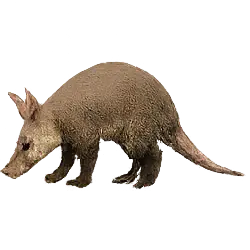
Aardvark
The aardvark is a nocturnal African mammal known for its long snout, strong digging…
Baca panduan spesies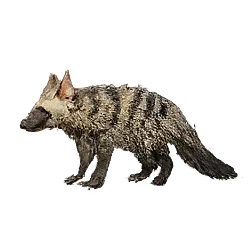
Aardwolf
The aardwolf is a small striped relative of hyenas that feeds mainly on termites rather…
Baca panduan spesies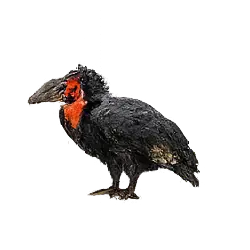
Abyssinian Ground Hornbill
Abyssinian Ground Hornbill is a bird known for bare red facial skin, huge…
Baca panduan spesiesLebih banyak hewan dengan kekuatan Long Journeys
Jelajahi semua hewan Long Journeys
Andean Condor
Andean Condor is a bird known for enormous mountain wingspan, high-altitude soaring,…
Baca panduan spesies
Arctic Tern
Arctic Tern is a bird known for planet-spanning migration, slender pointed wings, and…
Baca panduan spesies
Baya Weaver
Baya Weaver teaches Careful Craft because its real biology turns hanging-nest weaver…
Baca panduan spesiesBawa ensiklopedia ke dunia nyata
AnimalDex membantumu memindai hewan nyata, mengidentifikasi spesies, mengoleksi kartu, dan belajar dari alam di mana pun kamu berada.
Panduan blog terkait
Lanjutkan belajar lewat artikel praktis yang terhubung dengan spesies ini.
Biomimicry in Animals: 35 Examples of Nature-Inspired Design
Discover 35 examples of biomimicry in animals, from shark skin and gecko feet to owl wings, elephant trunks, whale fins, spider silk, dolphins, ants, bees, and more.
Baca artikel blog