
Panduan lapangan hewan
Peregrine Falcon
Identifikasi, habitat, rarity, perilaku, simbolisme, fakta, dan pelajaran praktis dari alam.
The Falling Sky Arrow. The Peregrine Falcon uses pointed wings and a steep dive to turn the whole sky into a burst of speed. It reminds us that when we work with our natural power, even gravity can help us.
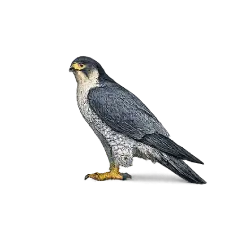
Kartu AnimalDex
Buka kartu hewan ini
Pindai atau tangkap hewan ini dengan AnimalDex untuk membuka kartu koleksi dan menambahkannya ke koleksi satwa liarmu.
Dapatkan AnimalDexNama ilmiah
Falco peregrinus
Kategori
Bird of prey
Habitat
Cliffs, coasts, mountains, wetlands, and increasingly tall urban structures near bird-rich feeding areas.
Rarity
Relatively common · 41/100
Native range
Found across every continent except Antarctica.
Gravity
Fall like an arrow.
High-Speed Hunting Stoops
Apa yang diajarkannya
Mastery turns falling into force.
Coba
A road trip succeeds by reading weather, moods, and fuel before pushing on.
Bukti alam
Peregrine Falcons hunt birds by climbing high and entering steep stoops, using gravity, pointed wings, and aerodynamic control to reach extreme speeds.
Gunakan untuk
Tangkapan Peregrine Falcon berperingkat
Belum ada tangkapan komunitas berperingkat untuk spesies ini.
Mengapa Gravity?
Alasan di balik Prinsip Hewan ini dan biologi yang mendukungnya.
The peregrine falcon is a high-speed hunting raptor famous for steep aerial stoops, pointed wings, and success in both wild cliffs and modern cities.
Cara mengidentifikasi Peregrine Falcon
- Slate-grey back with barred pale underside
- Dark hood and moustache mark on the face
- Long pointed wings and fast stiff-winged flight
Kenapa Peregrine Falcon menarik
- Peregrines are among the clearest expressions of aerial specialization in birds.
- Their urban comeback makes them unusually visible conservation success stories.
Habitat: Cliffs, coasts, mountains, wetlands, and increasingly tall urban structures near bird-rich feeding areas.
Native range: Found across every continent except Antarctica.
nativeRangeCardTitle
nativeRangeCardDescription
Cliffs, coasts, mountains, wetlands, and increasingly tall urban structures near bird-rich feeding areas.
To find Peregrine Falcon in the wild, focus on the exact habitat patches that match its body design and daily behavior, not just the broad country where it exists. You usually do better by working one good piece of habitat inside found across every continent except Antarctica. than by covering too much ground.
- Quiet marsh edges, reedbeds, river bends, or shallow wetland margins
- Rocky slopes, ridge lines, cliff ledges, or open mountain meadows with a wide view
- Headlands, reef edges, island colonies, tidal channels, or productive coastal water
- First light and late afternoon are often best, when animals come out to feed along the edge of water.
- Scan from a stable vantage point first; in steep country, patient glassing usually beats constant hiking.
- Use sound, flight lines, and perch trees as clues; birds often reveal themselves before they sit in the open.
Birds are the main prey, supporting Gravity because the falcon hunts movement in the air with speed and precision.
Great horned owls, eagles, larger raptors, nest predators, and humans can threaten nests or young. Height and fierce defense protect them.
Peregrines are diurnal, hunting when light reveals airborne prey. Their rhythm is watch, rise, fold, and strike.
Peregrine Falcon can live long enough for repeated seasonal, territorial, or breeding cycles to matter. The exact lifespan varies with predators, habitat pressure, and care, but the lesson depends on repeated use of its core strategy.
females are larger than males and lay eggs on cliff ledges. Offspring survival depends on the same habitat logic that shapes the adult: shelter, timing, food access, and protection from predators.
Males and females may differ in size, ornament, or breeding role depending on the species, but the field-guide lesson is carried by the shared survival design rather than a generic male-versus-female contrast.
- Captures birds in flight with sudden high-speed dives
- Uses elevated perches or soaring setup before attack
- Adapts readily to city nesting ledges and bridge structures
Peregrine Falcon most often symbolizes gravity in AnimalDex because its real survival behavior repeatedly shows this pattern.
Mastery turns falling into force.
Peregrine Falcons hunt birds by climbing high and entering steep stoops, using gravity, pointed wings, and aerodynamic control to reach extreme speeds.
- Stay away from active cliff or ledge nests during breeding season.
- Watch prey flocks and skyline movement rather than searching randomly.
- Hobby
- Merlin
- Prairie falcon
statsTitle
statsDescription
statsSourceLabel: statsSourceSpeciesProfile
dominanceStat
80
speedStat
100
sizeStat
20
intelligenceStat
58
rarityStat
41%
Total
299
Size scale
Small
Uses the canonical size stat for consistent placement

US$174 – US$362
Perkiraan rentang nilai
Kepercayaan 69%
Perkiraan nilai AnimalDex dibuat dari stat spesies kanonik.
Not a marketplace listing.
Perkiraan nilai berdasarkan hewan yang teridentifikasi dan konteks harga yang tersedia. Bukan daftar marketplace.
Seberapa langka Peregrine Falcon?
Rarity: Relatively common (41/100)
Many peregrine populations recovered strongly after pesticide bans, though local access still depends on prey concentrations and nesting sites.
Systems Intelligence & Hidden Purpose
Sudut pandang systems biology untuk melihat bagaimana spesies ini dibangun, peran apa yang dijalankannya di ekosistem, dan pelajaran praktis apa yang bisa dipetik manusia.
System Role
The Vertical Strike Specialist
Peregrine Falcon
Specialized Hardware
Pointed wings, deep chest, visual lock, and impact-tuned talons make peregrines aerial interception hardware built for velocity with control.
Systems Script
Peregrines regulate bird movement in open airspace, coastlines, and cliffs. They turn altitude into a killing advantage and keep flock behavior from becoming complacent.
Strategic Insight
If gravity can do part of the work, let it. Great systems borrow force from setup.
Public Animal Power
Explore this Animal Power
This is a public capture, so you can explore its Animal Power here. Personal Apex matches and challenges use your Wild Profile and animals you own.
Own an animal with this power to use it in Growth challenges.
Hewan terkait
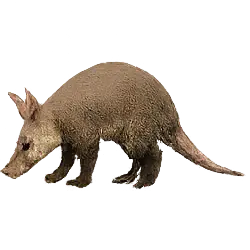
Aardvark
The aardvark is a nocturnal African mammal known for its long snout, strong digging…
Baca panduan spesies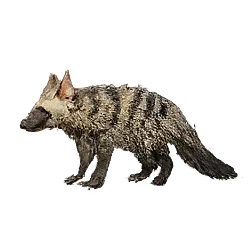
Aardwolf
The aardwolf is a small striped relative of hyenas that feeds mainly on termites rather…
Baca panduan spesies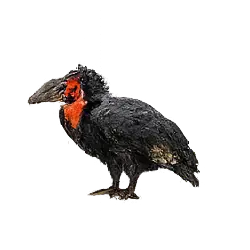
Abyssinian Ground Hornbill
Abyssinian Ground Hornbill is a bird known for bare red facial skin, huge…
Baca panduan spesiesLebih banyak hewan dengan kekuatan Decisive Action
Jelajahi semua hewan Decisive Action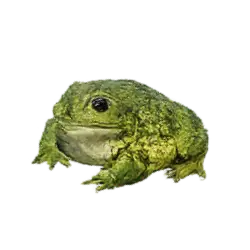
African Bullfrog
African Bullfrog is a amphibian known for huge frog body, powerful bite, and burrowing…
Baca panduan spesies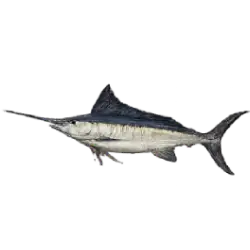
Atlantic Sailfish
Atlantic Sailfish is a fish known for towering sail-like dorsal fin, bill-tipped…
Baca panduan spesies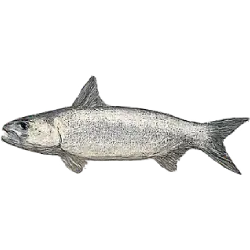
Atlantic Tarpon
Atlantic Tarpon is a fish known for huge silver armored scales, air-gulping surface…
Baca panduan spesiesBawa ensiklopedia ke dunia nyata
AnimalDex membantumu memindai hewan nyata, mengidentifikasi spesies, mengoleksi kartu, dan belajar dari alam di mana pun kamu berada.
Comparisons terkait
Lihat bagaimana spesies ini tampil di halaman perbandingan AnimalDex yang terstruktur.
Bald Eagle vs Peregrine Falcon: Power or Speed?
Peregrine falcon wins the speed question clearly. Bald eagle usually gets the overall edge in a direct clash because size, talon grip, and durability matter more once contact happens.
Baca halaman comparisonEagle vs Falcon: Which Raptor Has the Real Edge?
Eagle usually has the power edge in a direct clash. Falcon owns the speed edge and often the cleaner aerial intercept, but size and grip strength still favor the eagle when contact happens.
Baca halaman comparisonPeregrine Falcon vs Owl: Which Bird Has the Better Edge?
Peregrine falcon gets the speed and open-air answer by a mile. Owl gets the quieter low-light answer and can become much more relevant when the page shifts from raw speed to surprise in darkness.
Baca halaman comparisonPeregrine Falcon vs Red-tailed Hawk: Which Bird Has the Better Speed Edge?
Peregrine falcon is the clear speed winner. Red-tailed hawk remains the better soaring, watching, and broad-habitat control bird rather than the faster one.
Baca halaman comparisonMuncul di tier list
Lihat posisi spesies ini di halaman tier list AnimalDex yang dibangun dengan perbandingan terstruktur dan metodologi yang jelas.
#1 · Speed
Fastest Animals in the World: Top 250 Tier List
The peregrine falcon owns the overall speed headline because its hunting stoop reaches extraordinary aerial velocity.
Baca tier list#2 · Eyesight
Animals with the Best Eyesight: Top 100 Tier List
Peregrine falcon turns elite eyesight into precision control during a violent aerial intercept.
Baca tier list#2 · Agility
Most Agile Animals in the World: Top 100 Tier List
Peregrine falcon turns extreme velocity into controlled interception instead of pure chaos.
Baca tier list