
Panduan lapangan hewan
Philippine Eagle
Identifikasi, habitat, rarity, perilaku, simbolisme, fakta, dan pelajaran praktis dari alam.
The Forest Crown Sky Hunter. The Philippine Eagle uses a shaggy crest and enormous talons to hunt high in the rainforest canopy. It reminds us that great reach needs great grip.
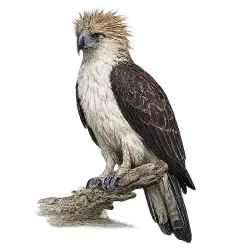
Kartu AnimalDex
Buka kartu hewan ini
Pindai atau tangkap hewan ini dengan AnimalDex untuk membuka kartu koleksi dan menambahkannya ke koleksi satwa liarmu.
Dapatkan AnimalDexNama ilmiah
Pithecophaga jefferyi
Kategori
Bird of prey
Habitat
primary rainforest and steep forested mountain slope
Rarity
Very rare · 97/100
Native range
The Philippines
Crowned Reach
Grip the high forest.
Rainforest Canopy Talons
Apa yang diajarkannya
Great reach means little without the grip to hold what it finds.
Coba
A flashy idea earns support when it also solves a real problem.
Bukti alam
Philippine Eagles are large rainforest raptors with powerful talons and a shaggy crest, hunting monkeys, flying lemurs, birds, and other prey in forest canopy.
Gunakan untuk
Tangkapan Philippine Eagle berperingkat
Belum ada tangkapan komunitas berperingkat untuk spesies ini.
Mengapa Crowned Reach?
Alasan di balik Prinsip Hewan ini dan biologi yang mendukungnya.
Philippine Eagle is a bird of prey known for massive hooked bill, long crest feathers, and broad rainforest hunting wings.
Cara mengidentifikasi Philippine Eagle
- massive hooked bill
- long crest feathers
- broad rainforest hunting wings
- Often associated with primary rainforest and steep forested mountain slope
Kenapa Philippine Eagle menarik
- Philippine Eagle is a useful example of how anatomy and habitat fit together as one survival system.
- Its shape, movement style, and food strategy make it easy to compare with related animals.
- This species turns one page into a lesson about adaptation, ecosystem role, and identification.
Habitat: primary rainforest and steep forested mountain slope
Native range: The Philippines
To find Philippine Eagle in the wild, focus on the exact habitat patches that match its body design and daily behavior, not just the broad country where it exists. You usually do better by working one good piece of habitat inside the Philippines than by covering too much ground.
- Forest edge, canopy gaps, fruiting trees, or shaded trails where cover and food meet
- Rocky slopes, ridge lines, cliff ledges, or open mountain meadows with a wide view
- Protected habitat blocks within the Philippines
- Start early, pick one strong patch of habitat, and stay long enough for movement to return after you arrive.
- Work edges, clearings, fruiting trees, and stream crossings rather than walking randomly through dense cover.
- Use sound, flight lines, and perch trees as clues; birds often reveal themselves before they sit in the open.
They hunt flying lemurs, monkeys, birds, reptiles, and mammals. This diet fits Crowned Reach because the eagle must combine height, patience, and crushing grip.
Adults have few natural predators, but deforestation, hunting, and territory loss are severe threats. Great talons cannot replace a missing forest.
They are diurnal hunters, scanning, perching, and flying through forest during daylight. Their rhythm is one of long watching followed by decisive movement.
They can live for decades, with slow breeding and long pair bonds. Longevity fits a species where each adult carries rare forest knowledge.
Females lay a single egg, and both parents invest heavily for many months. A slow reproductive pace makes every nest a major act of restoration.
Females are usually larger than males, as in many raptors. The difference strengthens the image of power, but both sexes share the crowned forest role.
- Philippine Eagle adjusts movement and feeding to match light, temperature, and food access in its habitat.
- Body design, timing, and shelter choices all help this species stay effective in the wild.
- Patient observation usually reveals more behavior than close approach or fast movement.
Philippine Eagle most often symbolizes crowned reach in AnimalDex because its real survival behavior repeatedly shows this pattern.
Great reach means little without the grip to hold what it finds.
Philippine Eagles are large rainforest raptors with powerful talons and a shaggy crest, hunting monkeys, flying lemurs, birds, and other prey in forest canopy.
- Keep distance and let the animal choose the space.
- Avoid blocking movement routes, nesting areas, or feeding behavior.
- Use optics, patience, and quiet observation instead of crowding for a closer view.
- Regional relatives may look similar at a distance.
- Juveniles, adults, and seasonal forms can differ in color or size.
- Light, angle, and habitat context can change how field marks appear.
statsTitle
statsDescription
statsSourceLabel: statsSourceSpeciesProfile
dominanceStat
92
speedStat
58
sizeStat
28
intelligenceStat
48
rarityStat
97%
Total
323
Size scale
Medium
Uses the canonical size stat for consistent placement






US$289 – US$599
Perkiraan rentang nilai
Kepercayaan 69%
Perkiraan nilai AnimalDex dibuat dari stat spesies kanonik.
Not a marketplace listing.
Perkiraan nilai berdasarkan hewan yang teridentifikasi dan konteks harga yang tersedia. Bukan daftar marketplace.
Seberapa langka Philippine Eagle?
Rarity: Very rare (97/100)
Philippine Eagle depends on a narrow or fragile habitat base, so pressure on primary rainforest and steep forested mountain slope can affect it quickly.
Systems Intelligence & Hidden Purpose
Sudut pandang systems biology untuk melihat bagaimana spesies ini dibangun, peran apa yang dijalankannya di ekosistem, dan pelajaran praktis apa yang bisa dipetik manusia.
System Role
The Storm-canopy Talon
Philippine Eagle
Specialized Hardware
massive hooked bill, long crest feathers, and broad rainforest hunting wings give the Philippine Eagle a body plan tuned for its niche.
Systems Script
Philippine Eagles operate through primary rainforest and steep forested mountain slope. Their design links movement, feeding, shelter, and timing into one workable survival system.
Strategic Insight
In steep terrain, balance and route control matter more than brute force.
Public Animal Power
Explore this Animal Power
This is a public capture, so you can explore its Animal Power here. Personal Apex matches and challenges use your Wild Profile and animals you own.
Own an animal with this power to use it in Growth challenges.
Hewan terkait
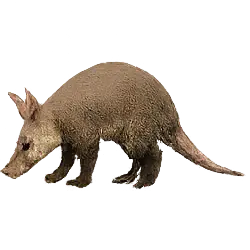
Aardvark
The aardvark is a nocturnal African mammal known for its long snout, strong digging…
Baca panduan spesies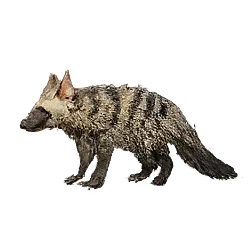
Aardwolf
The aardwolf is a small striped relative of hyenas that feeds mainly on termites rather…
Baca panduan spesies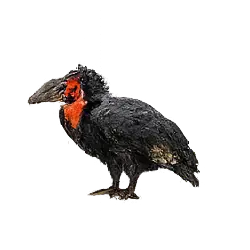
Abyssinian Ground Hornbill
Abyssinian Ground Hornbill is a bird known for bare red facial skin, huge…
Baca panduan spesiesLebih banyak hewan dengan kekuatan Authority
Jelajahi semua hewan Authority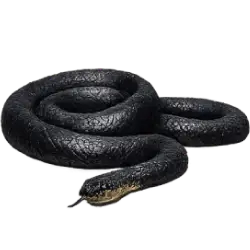
Eastern Indigo Snake
Eastern Indigo Snake is a reptile known for glossy blue-black scales, large nonvenomous…
Baca panduan spesies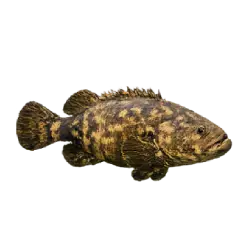
Giant Grouper
Giant Grouper is a fish known for massive heavy reef body, huge suction-feeding mouth,…
Baca panduan spesies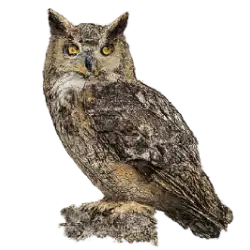
Great Horned Owl
Great Horned Owl is a bird known for ear-like feather tufts, powerful nighttime grip,…
Baca panduan spesiesBawa ensiklopedia ke dunia nyata
AnimalDex membantumu memindai hewan nyata, mengidentifikasi spesies, mengoleksi kartu, dan belajar dari alam di mana pun kamu berada.
Panduan blog terkait
Lanjutkan belajar lewat artikel praktis yang terhubung dengan spesies ini.
Philippine Eagle Symbolism: Apex Memory, Forest Guardian & Endangered Vision
Explore Philippine eagle symbolism through apex forest presence and endangered guardianship.
Baca artikel blog