
Panduan lapangan hewan
Poison Dart Frog
Identifikasi, habitat, rarity, perilaku, simbolisme, fakta, dan pelajaran praktis dari alam.
The Keen Survivor. Poison Dart Frog handles daily life with a body and senses shaped for its own world. It teaches that real strength often comes from knowing how to use what you already have.
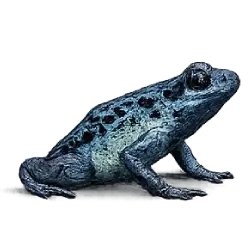
Kartu AnimalDex
Buka kartu hewan ini
Pindai atau tangkap hewan ini dengan AnimalDex untuk membuka kartu koleksi dan menambahkannya ke koleksi satwa liarmu.
Dapatkan AnimalDexNama ilmiah
Dendrobatidae
Kategori
Amphibian
Habitat
Humid tropical forest, leaf litter, mossy ground, and stream-edge microhabitats.
Rarity
Uncommon · 67/100
Native range
Central and South America.
Observation
See clearly before acting.
Apa yang diajarkannya
If you must defend a small footprint, make the cost of testing you obvious.
Bukti alam
Skin alkaloid defenses, bright warning coloration, and precise moisture dependence make poison dart frogs compact hardware for high-risk tropical floor systems. They help regulate small invertebrate populations while translating chemical defense into a public signal. Their whole design says the strongest deterrent is one your environment can recognize instantly.
Gunakan untuk
Tangkapan Poison Dart Frog berperingkat
Belum ada tangkapan komunitas berperingkat untuk spesies ini.
Mengapa Observation?
Alasan di balik Prinsip Hewan ini dan biologi yang mendukungnya.
Poison dart frogs are small tropical amphibians known for bright warning colors, daytime activity, and skin toxins derived through diet and ecology.
Cara mengidentifikasi Poison Dart Frog
- Tiny compact frog with vivid blue, yellow, orange, black, or red patterning
- Long legs relative to body size and active hopping on forest floor or low plants
- Usually seen by day rather than at night
Kenapa Poison Dart Frog menarik
- Dart frogs make the link between signal design and chemical defense easy to see.
- Their parental behavior is unusually advanced for very small amphibians.
Habitat: Humid tropical forest, leaf litter, mossy ground, and stream-edge microhabitats.
Native range: Central and South America.
nativeRangeCardTitle
nativeRangeCardDescription
Humid tropical forest, leaf litter, mossy ground, and stream-edge microhabitats.
To find Poison Dart Frog in the wild, focus on the exact habitat patches that match its body design and daily behavior, not just the broad country where it exists. You usually do better by working one good piece of habitat inside central and South America. than by covering too much ground.
- Forest edge, canopy gaps, fruiting trees, or shaded trails where cover and food meet
- Sunlit logs, exposed branches, warm rocks, or regular perch sites used for scanning
- Protected habitat blocks within central and South America.
- Go at dusk or after dark, move slowly, and listen before using a light or stepping into cover.
- Work edges, clearings, fruiting trees, and stream crossings rather than walking randomly through dense cover.
- Warm rocks, trail edges, fallen timber, and quiet water margins are usually better than heavily disturbed ground.
Poison Dart Frog eats the foods its body design and habitat make easiest to access. Diet can shift across seasons, life stages, and local competition.
- The most accessible prey or plant foods in its habitat
- Energy-rich foods that match its size and behavior
- Seasonal resources available in the local environment
A practical answer for Poison Dart Frog always depends on what food is actually available in humid tropical forest, leaf litter, mossy ground, and stream-edge microhabitats..
- Uses bright coloration as warning signal to predators
- Males often guard eggs or transport tadpoles to water pockets
- Forages actively by day on ants and tiny invertebrates
Poison Dart Frog most often symbolizes observation in AnimalDex because its real survival behavior repeatedly shows this pattern.
If you must defend a small footprint, make the cost of testing you obvious.
Skin alkaloid defenses, bright warning coloration, and precise moisture dependence make poison dart frogs compact hardware for high-risk tropical floor systems. They help regulate small invertebrate populations while translating chemical defense into a public signal. Their whole design says the strongest deterrent is one your environment can recognize instantly.
- Avoid handling because skin coatings and stress both matter.
- Watch low vegetation and leaf litter slowly rather than disturbing the forest floor.
- Small tree frog species
- Mantella frogs in non-native comparisons
- Leaf beetles in poor photos
statsTitle
statsDescription
statsSourceLabel: statsSourceSpeciesProfile
dominanceStat
25
speedStat
59
sizeStat
1
intelligenceStat
34
rarityStat
67%
Total
186
Size scale
Microscopic edge
Uses the canonical size stat for consistent placement



US$114 – US$238
Perkiraan rentang nilai
Kepercayaan 60%
Perkiraan nilai AnimalDex dibuat dari stat spesies kanonik.
Not a marketplace listing.
Perkiraan nilai berdasarkan hewan yang teridentifikasi dan konteks harga yang tersedia. Bukan daftar marketplace.
Seberapa langka Poison Dart Frog?
Rarity: Uncommon (67/100)
Some species are local strongholds, but many dart frogs have small ranges and rely on intact humid forest.
Systems Intelligence & Hidden Purpose
Sudut pandang systems biology untuk melihat bagaimana spesies ini dibangun, peran apa yang dijalankannya di ekosistem, dan pelajaran praktis apa yang bisa dipetik manusia.
System Role
The Color-Coded Micro Fortress
Poison Dart Frog
Specialized Hardware
Skin alkaloid defenses, bright warning coloration, and precise moisture dependence make poison dart frogs compact hardware for high-risk tropical floor systems.
Systems Script
They help regulate small invertebrate populations while translating chemical defense into a public signal. Their whole design says the strongest deterrent is one your environment can recognize instantly.
Strategic Insight
If you must defend a small footprint, make the cost of testing you obvious.
Public Animal Power
Explore this Animal Power
This is a public capture, so you can explore its Animal Power here. Personal Apex matches and challenges use your Wild Profile and animals you own.
Own an animal with this power to use it in Growth challenges.
Hewan terkait
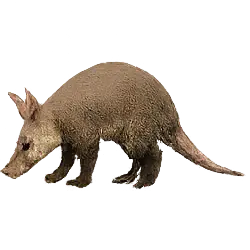
Aardvark
The aardvark is a nocturnal African mammal known for its long snout, strong digging…
Baca panduan spesies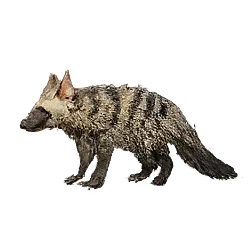
Aardwolf
The aardwolf is a small striped relative of hyenas that feeds mainly on termites rather…
Baca panduan spesies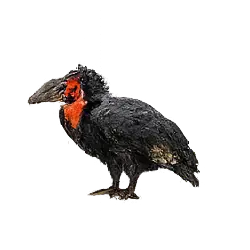
Abyssinian Ground Hornbill
Abyssinian Ground Hornbill is a bird known for bare red facial skin, huge…
Baca panduan spesiesLebih banyak hewan dengan kekuatan Focus
Jelajahi semua hewan Focus
Bawa ensiklopedia ke dunia nyata
AnimalDex membantumu memindai hewan nyata, mengidentifikasi spesies, mengoleksi kartu, dan belajar dari alam di mana pun kamu berada.