
Panduan lapangan hewan
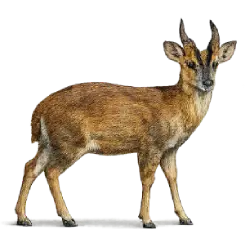
Reeves's Muntjac
Identifikasi, habitat, rarity, perilaku, simbolisme, fakta, dan pelajaran praktis dari alam.
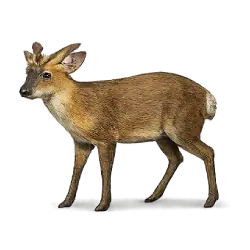
Reeves's Muntjac teaches Small Alarm through barking deer warning. Its loud alarm bark and dense-cover movement show why this animal cannot be reduced to a generic creature: the lesson is built into its body, timing, habitat, and risks.
Kartu AnimalDex
Buka kartu hewan ini
Pindai atau tangkap hewan ini dengan AnimalDex untuk membuka kartu koleksi dan menambahkannya ke koleksi satwa liarmu.
Dapatkan AnimalDexNama ilmiah
Muntiacus reevesi
Kategori
Animal
Habitat
Dense woodland, scrub, thickets, parks, and forest edges fit muntjacs because sound travels where bodies stay hidden.
Rarity
Relatively common · 40/100
Native range
Dense woodland, scrub, thickets, parks, and forest edges fit muntjacs because sound travels where bodies stay hidden.
Small Alarm
Bark the warning.
Barking Deer Warning
Apa yang diajarkannya
A small body can carry a sound large enough to change the forest.
Coba
A child gets help by raising one hand before the problem grows.
Bukti alam
Reeves's Muntjacs are small deer known for loud bark-like alarm calls used when disturbed or threatened in dense cover.
Gunakan untuk
Tangkapan Reeves's Muntjac berperingkat
Belum ada tangkapan komunitas berperingkat untuk spesies ini.
Mengapa Small Alarm?
Alasan di balik Prinsip Hewan ini dan biologi yang mendukungnya.
Reeves's Muntjac teaches Small Alarm through barking deer warning. Its loud alarm bark and dense-cover movement show why this animal cannot be reduced to a generic creature: the lesson is built into its body, timing, habitat, and risks.
Cara mengidentifikasi Reeves's Muntjac
- Barking deer warning makes the Reeves's Muntjac distinct inside its habitat.
- Loud alarm bark and dense-cover movement connect the body directly to the lesson.
- The species succeeds by using this design repeatedly instead of relying on a generic advantage.
Kenapa Reeves's Muntjac menarik
- Reeves's Muntjac is strongly associated with loud alarm bark and dense-cover movement.
- The Small Alarm lesson comes from a real biological behavior, not just appearance.
- Its habitat, food, and danger all reinforce the same specialized strategy.
Habitat: Dense woodland, scrub, thickets, parks, and forest edges fit muntjacs because sound travels where bodies stay hidden.
Native range: Dense woodland, scrub, thickets, parks, and forest edges fit muntjacs because sound travels where bodies stay hidden.
To find Reeves's Muntjac in the wild, focus on the exact habitat patches that match its body design and daily behavior, not just the broad country where it exists. You usually do better by working one good piece of habitat inside dense woodland, scrub, thickets, parks, and forest edges fit muntjacs because sound travels where bodies stay hidden. than by covering too much ground.
- Forest edge, canopy gaps, fruiting trees, or shaded trails where cover and food meet
- Protected habitat blocks within dense woodland, scrub, thickets, parks, and forest edges fit muntjacs because sound travels where bodies stay hidden.
- Start early, pick one strong patch of habitat, and stay long enough for movement to return after you arrive.
- Work edges, clearings, fruiting trees, and stream crossings rather than walking randomly through dense cover.
- Move quietly, stop often, and give the habitat time to settle; many mammals and insects show themselves only after the first pause.
Leaves, shoots, fruit, grasses, flowers, and browse support Small Alarm because the deer feeds quietly in cover.
Muntjacs are often crepuscular or nocturnal, moving in quiet hours. Their rhythm keeps a small warning ready in dense cover.
Reeves's Muntjac can live long enough for repeated seasonal, territorial, or breeding cycles to matter. The exact lifespan varies with predators, habitat pressure, and care, but the lesson depends on repeated use of its core strategy.
females can breed repeatedly and hide single fawns in cover. Offspring survival depends on the same habitat logic that shapes the adult: shelter, timing, food access, and protection from predators.
Males and females may differ in size, ornament, or breeding role depending on the species, but the field-guide lesson is carried by the shared survival design rather than a generic male-versus-female contrast.
- Barking deer warning makes the Reeves's Muntjac distinct inside its habitat.
- Loud alarm bark and dense-cover movement connect the body directly to the lesson.
- The species succeeds by using this design repeatedly instead of relying on a generic advantage.
Reeves's Muntjac most often symbolizes small alarm in AnimalDex because its real survival behavior repeatedly shows this pattern.
A small body can carry a sound large enough to change the forest.
Reeves's Muntjacs are small deer known for loud bark-like alarm calls used when disturbed or threatened in dense cover.
- Observe from a respectful distance and avoid changing the animal's behavior.
- Do not block feeding, shelter, nesting, or travel routes.
- Use a live camera capture without handling or staging wildlife.
statsTitle
statsDescription
statsSourceLabel: statsSourceSpeciesProfile
dominanceStat
46
speedStat
58
sizeStat
27
intelligenceStat
47
rarityStat
40%
Total
218
Size scale
Medium
Uses the canonical size stat for consistent placement

US$140 – US$290
Perkiraan rentang nilai
Kepercayaan 69%
Perkiraan nilai AnimalDex dibuat dari stat spesies kanonik.
Not a marketplace listing.
Perkiraan nilai berdasarkan hewan yang teridentifikasi dan konteks harga yang tersedia. Bukan daftar marketplace.
Seberapa langka Reeves's Muntjac?
Rarity: Relatively common (40/100)
AnimalDex canonical rarity score: 40/100, maintained by the live indexed species profile.
Public Animal Power
Explore this Animal Power
This is a public capture, so you can explore its Animal Power here. Personal Apex matches and challenges use your Wild Profile and animals you own.
Own an animal with this power to use it in Growth challenges.
Hewan terkait

Lebih banyak hewan dengan kekuatan Patience
Jelajahi semua hewan Patience
Adelie Penguin
Adelie Penguin is a bird known for classic black-and-white body, ice-edge breeding…
Baca panduan spesies
African Bullfrog
African Bullfrog is a amphibian known for huge frog body, powerful bite, and burrowing…
Baca panduan spesies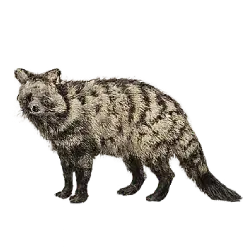
African Civet
African Civet is a mammal known for bold black-and-white pattern, night-active…
Baca panduan spesiesBawa ensiklopedia ke dunia nyata
AnimalDex membantumu memindai hewan nyata, mengidentifikasi spesies, mengoleksi kartu, dan belajar dari alam di mana pun kamu berada.