
Panduan lapangan hewan
Leopard
Identifikasi, habitat, rarity, perilaku, simbolisme, fakta, dan pelajaran praktis dari alam.
The quiet everywhere survivor animal. The Leopard is a spotted big cat that can climb, hide, and hunt in many different places. It stays alive by being quiet, flexible, and ready for almost anything. Its lesson for us is clear: adapting well is often stronger than insisting on one fixed way.

Kartu AnimalDex
Buka kartu hewan ini
Pindai atau tangkap hewan ini dengan AnimalDex untuk membuka kartu koleksi dan menambahkannya ke koleksi satwa liarmu.
Dapatkan AnimalDexNama ilmiah
Panthera pardus
Kategori
Mammal
Habitat
Forest, savannah, scrub, mountain slopes, farmland edges, and even some peri-urban wild zones.
Rarity
Uncommon · 67/100
Native range
Sub-Saharan Africa and parts of the Middle East and Asia in fragmented populations.
Observation
See clearly before acting.
Apa yang diajarkannya
Generalism becomes elite when it stays quiet, competent, and hard to pin down.
Bukti alam
Rosette camouflage, climbing strength, night vision, and prey flexibility make leopards multipurpose predatory hardware across very different landscapes. Leopards persist by reading local opportunity better than more specialized rivals. They keep prey pressure alive in systems where adaptability matters more than dominance displays.
Gunakan untuk
Tangkapan Leopard berperingkat
Belum ada tangkapan komunitas berperingkat untuk spesies ini.
Mengapa Observation?
Alasan di balik Prinsip Hewan ini dan biologi yang mendukungnya.
Leopards are adaptable solitary cats known for rosette-pattern camouflage, climbing ability, and success across an unusually wide range of habitats.
Cara mengidentifikasi Leopard
- Golden to pale coat marked with dark rosettes
- Long tail and catlike stalking profile lower than a lion
- Powerful shoulders and climbing confidence around trees or rocks
Kenapa Leopard menarik
- Leopards are strong examples of versatility rather than one extreme specialization.
- Their camouflage and stealth make them among the hardest big cats to read well in the field.
Habitat: Forest, savannah, scrub, mountain slopes, farmland edges, and even some peri-urban wild zones.
Native range: Sub-Saharan Africa and parts of the Middle East and Asia in fragmented populations.
nativeRangeCardTitle
nativeRangeCardDescription
Forest, savannah, scrub, mountain slopes, farmland edges, and even some peri-urban wild zones.
To find Leopard in the wild, focus on the exact habitat patches that match its body design and daily behavior, not just the broad country where it exists. You usually do better by working one good piece of habitat inside sub-Saharan Africa and parts of the Middle East and Asia in fragmented populations. than by covering too much ground.
- Forest edge, canopy gaps, fruiting trees, or shaded trails where cover and food meet
- Rocky slopes, ridge lines, cliff ledges, or open mountain meadows with a wide view
- Open grassland edges, lightly wooded plains, or raised ground where you can scan long distances
- Start early, pick one strong patch of habitat, and stay long enough for movement to return after you arrive.
- Work edges, clearings, fruiting trees, and stream crossings rather than walking randomly through dense cover.
- Slow down and scan shapes, outlines, and eye-level silhouettes; many good sightings come from noticing what does not move.
Leopard depends mostly on animal protein. Cats are meat-focused hunters, even when they live in domestic settings rather than wild ones.
- Meat-based prey or complete meat-forward domestic food
- Small mammals and birds when hunting is possible
- Animal tissue rather than plant-heavy food sources
Wild context, owner care, and access to outdoor prey all affect exactly what an individual cat eats.
- Uses dense cover and dusk activity to reduce detection
- Caches kills in trees or hidden ground cover
- Adjusts prey choice across habitats more readily than many big cats
Leopard most often symbolizes observation in AnimalDex because its real survival behavior repeatedly shows this pattern.
Generalism becomes elite when it stays quiet, competent, and hard to pin down.
Rosette camouflage, climbing strength, night vision, and prey flexibility make leopards multipurpose predatory hardware across very different landscapes. Leopards persist by reading local opportunity better than more specialized rivals. They keep prey pressure alive in systems where adaptability matters more than dominance displays.
- Let the animal choose cover and do not crowd a treed or feeding leopard.
- Scan branches and shaded edges because many sightings are vertical or partially concealed.
statsTitle
statsDescription
statsSourceLabel: statsSourceGenerated
dominanceStat
70
speedStat
50
sizeStat
45
intelligenceStat
45
rarityStat
67%
Total
277
Size scale
Large
Uses the canonical size stat for consistent placement

US$233 – US$483
Perkiraan rentang nilai
Kepercayaan 60%
Perkiraan nilai AnimalDex dibuat dari stat spesies kanonik.
Not a marketplace listing.
Perkiraan nilai berdasarkan hewan yang teridentifikasi dan konteks harga yang tersedia. Bukan daftar marketplace.
Seberapa langka Leopard?
Rarity: Uncommon (67/100)
Leopards remain flexible, but persecution and habitat fragmentation have removed them from many former landscapes.
Systems Intelligence & Hidden Purpose
Sudut pandang systems biology untuk melihat bagaimana spesies ini dibangun, peran apa yang dijalankannya di ekosistem, dan pelajaran praktis apa yang bisa dipetik manusia.
System Role
The Stealth Generalist
Leopard
Specialized Hardware
Rosette camouflage, climbing strength, night vision, and prey flexibility make leopards multipurpose predatory hardware across very different landscapes.
Systems Script
Leopards persist by reading local opportunity better than more specialized rivals. They keep prey pressure alive in systems where adaptability matters more than dominance displays.
Strategic Insight
Generalism becomes elite when it stays quiet, competent, and hard to pin down.
Public Animal Power
Explore this Animal Power
This is a public capture, so you can explore its Animal Power here. Personal Apex matches and challenges use your Wild Profile and animals you own.
Own an animal with this power to use it in Growth challenges.
Hewan terkait
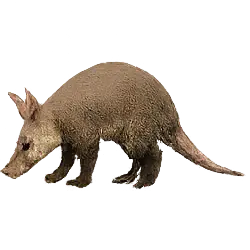
Aardvark
The aardvark is a nocturnal African mammal known for its long snout, strong digging…
Baca panduan spesies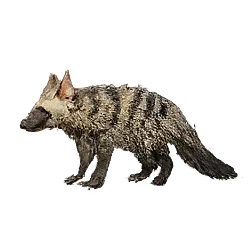
Aardwolf
The aardwolf is a small striped relative of hyenas that feeds mainly on termites rather…
Baca panduan spesies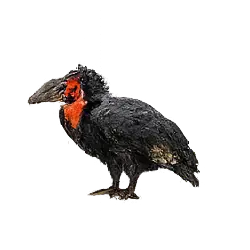
Abyssinian Ground Hornbill
Abyssinian Ground Hornbill is a bird known for bare red facial skin, huge…
Baca panduan spesiesLebih banyak hewan dengan kekuatan Focus
Jelajahi semua hewan Focus
Bawa ensiklopedia ke dunia nyata
AnimalDex membantumu memindai hewan nyata, mengidentifikasi spesies, mengoleksi kartu, dan belajar dari alam di mana pun kamu berada.
Panduan blog terkait
Lanjutkan belajar lewat artikel praktis yang terhubung dengan spesies ini.
Leopard Symbolism: Rosette Stealth, Canopy Power & Quiet Generalism
Explore leopard symbolism through rosette camouflage, tree-climbing strength, solitary adaptability, and the archetype of seeing clearly before acting.
Baca artikel blogComparisons terkait
Lihat bagaimana spesies ini tampil di halaman perbandingan AnimalDex yang terstruktur.
Cougar vs Leopard: Which Cat Has the Better Fight Profile?
Leopard usually has the cleaner fight edge because it is more compact, more armed for violent close contact, and more comfortable turning cover into advantage. Cougar is still a powerful ambush cat with real reach and jumping ability.
Baca halaman comparisonLeopard vs Cheetah: Which Big Cat Has the Real Edge?
Leopard usually has the edge in a direct fight. Cheetah is faster in open ground, but leopard is stronger, more durable, and better built for close-range violence.
Baca halaman comparisonLeopard vs Jaguar: Which Spotted Cat Wins?
Jaguar is the stronger overall fight answer because it is more power-dense and more built for heavy close-range finishing. Leopard stays competitive through agility, climbing, and flexible use of cover.
Baca halaman comparisonLion vs Leopard: Who Wins the Real Matchup?
Lion is the stronger direct-fight answer because it is much larger and more built for violent dominance. Leopard only improves when the scenario rewards cover, escape options, or vertical terrain instead of a clean fight.
Baca halaman comparisonMuncul di tier list
Lihat posisi spesies ini di halaman tier list AnimalDex yang dibangun dengan perbandingan terstruktur dan metodologi yang jelas.
#2 · Stealth
Stealthiest Hunters in the Animal World: Top 100 Tier List
Leopard is one of the most complete stealth predators alive because it uses terrain, timing, and body control so efficiently.
Baca tier list#5 · Adaptability
Most Adaptable Animals in the World: Top 100 Tier List
Leopard earns a top-tier slot because it remains effective in forests, rocky ground, and human-edge terrain.
Baca tier list#9 · Agility
Most Agile Animals in the World: Top 100 Tier List
Leopard combines quiet footwork, climbing, and close-range body control better than most large predators.
Baca tier list